Starting a self-sufficient lifestyle away from the grid is a rewarding but complex journey. For those new to this path, understanding the off-grid homestead startup timeline is essential for planning, budgeting, and avoiding common pitfalls. This guide breaks down the process into clear, manageable phases, helping you make informed decisions at every step.
Whether you’re dreaming of a solar-powered cabin, a thriving garden, or raising livestock, a structured approach will help you transition smoothly. By following a realistic schedule, you can prioritize tasks, manage resources, and build your homestead with confidence. For those interested in preparing for emergencies while living remotely, you may also find value in our disaster preparedness off-grid guide.
Understanding the Phases of Your Off-Grid Journey
The process of establishing a self-reliant property unfolds in several stages. Each phase has its own challenges and milestones. By breaking down the off-grid homestead startup timeline into clear segments, you can set realistic expectations and track your progress.
- Research and Planning: 1–3 months
- Land Acquisition and Assessment: 1–6 months
- Infrastructure Setup: 3–12 months
- Food Production and Livestock: Begins after infrastructure, ongoing
- Long-Term Sustainability: Year 2 and beyond
Each of these phases may overlap, but following a logical order helps prevent costly mistakes and ensures your homestead is both functional and resilient.
Initial Research and Planning for a Successful Start
Before breaking ground, invest time in thorough research. Consider climate, zoning laws, water rights, and access to resources. Reading guides like what to know before homesteading can help you avoid legal and practical setbacks.
Create a detailed plan covering your goals, budget, and timeline. Decide if you’ll build from scratch or renovate existing structures. Factor in family needs, remote work requirements, and access to off-grid internet solutions if you plan to work online.
Land Acquisition and Site Assessment
Finding the right property is a critical early step in your off-grid homestead startup timeline. Evaluate land for water sources, soil quality, sunlight, and potential hazards. Visit multiple sites and consult with local authorities about permits and restrictions.
Once you’ve chosen a parcel, conduct a thorough assessment. Mark out zones for your home, garden, livestock, and utility areas. This groundwork will shape every decision moving forward.

Building Core Infrastructure: Shelter, Water, and Power
With land secured, focus on essential infrastructure. Your shelter can be a cabin, tiny house, or renovated structure. Prioritize weatherproofing and insulation to ensure comfort year-round.
Water is non-negotiable. Install a well, rainwater catchment, or other reliable supply. Consider filtration and storage systems for safety and drought resilience.
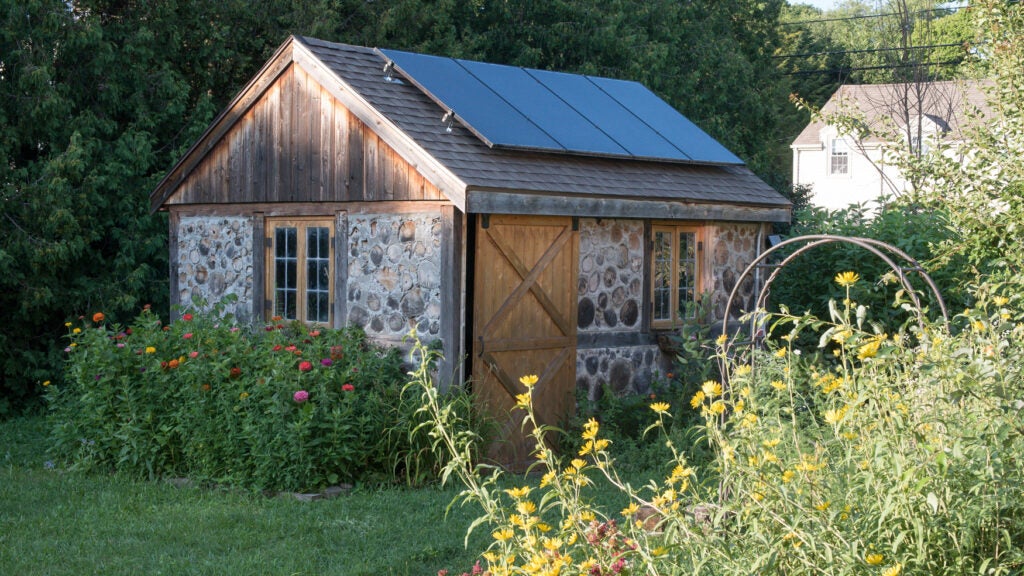
For energy, solar panels are the most common choice, but wind and micro-hydro may also be viable. Start with a basic system and expand as your needs grow. For more on staying connected while remote, see our article on off-grid internet solutions.
Establishing Food Production and Livestock
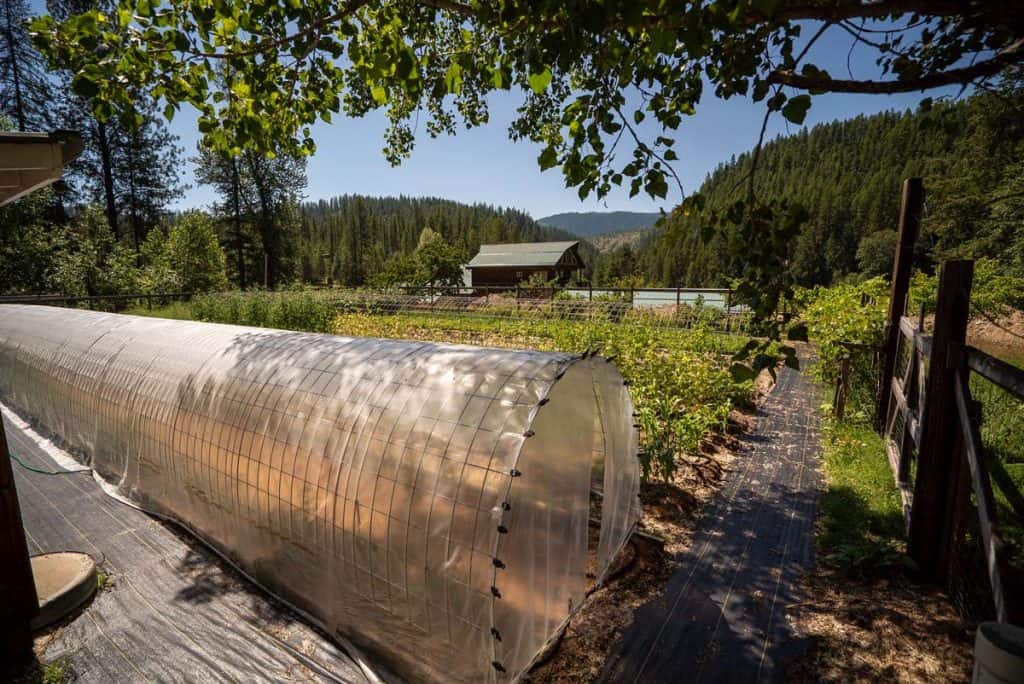
Once your home and utilities are in place, begin developing food systems. Start small with raised beds or a hoop house to extend your growing season. Choose crops suited to your climate and soil.
Livestock can be introduced gradually. Chickens are a popular first choice for eggs and pest control. As your experience grows, consider adding goats, sheep, or bees. Remember to build secure enclosures and provide reliable water and feed.
Long-Term Sustainability and Growth
After your first year, focus on refining systems for efficiency and resilience. Composting, crop rotation, and water conservation will help your homestead thrive. Explore renewable energy upgrades and expand your garden or animal husbandry as skills allow.
Building community connections, whether online or with nearby neighbors, can provide valuable support. If you’re interested in adapting to harsher climates, our resource on off-grid homesteading in deserts offers practical tips.
Common Challenges and How to Overcome Them
Every new homesteader faces setbacks. Weather, equipment failures, and unexpected expenses are part of the journey. Stay flexible and keep learning. Document your progress and adjust your off-grid homestead startup timeline as needed.
Joining online forums or local groups can help you troubleshoot and share solutions. For families, understanding the dynamics of off-grid living with family can make the transition smoother for everyone.
Frequently Asked Questions
How long does it take to become fully off-grid?
The timeline varies based on your starting point, resources, and goals. Most beginners spend 1–2 years establishing basic infrastructure and food systems. Some tasks, like expanding gardens or adding livestock, are ongoing.
What are the biggest expenses in the first year?
Major costs typically include land purchase, shelter construction or renovation, water systems, and renewable energy setup. Budget for unexpected repairs and upgrades as well.
Can I work remotely while living off-grid?
Yes, many people maintain remote jobs from their homesteads. Reliable power and internet are essential. For guidance, see our article on remote work off-grid.
Is it possible to start small and expand over time?
Absolutely. Many successful homesteaders begin with a modest setup and add features as skills and resources grow. This approach helps manage costs and reduces overwhelm.
Building a self-sufficient lifestyle is a marathon, not a sprint. By following a clear off-grid homestead startup timeline, you can turn your vision into reality—one step at a time.