Embracing a self-reliant lifestyle away from the conveniences of modern infrastructure requires a unique set of abilities. Those who choose to live off the grid must develop a broad range of survival skills for homesteaders to ensure safety, comfort, and sustainability. Whether you’re new to rural living or looking to deepen your knowledge, understanding the core competencies for off-grid life is essential.
This guide explores the most important techniques and knowledge areas for thriving in a remote environment. From food production and water sourcing to energy management and emergency preparedness, mastering these skills will help you build confidence and resilience on your homestead. For a comprehensive overview of tools that can make your journey smoother, check out the essential tools for off-grid living guide.
Essential Food Production Techniques
One of the cornerstones of off-grid living is the ability to produce your own food. Developing homestead survival skills in gardening, animal husbandry, and food preservation ensures a steady supply of nutrition year-round.
- Gardening: Growing fruits, vegetables, and herbs is fundamental. Focus on learning about soil health, crop rotation, seed saving, and pest management. Raised beds and companion planting can increase yields and reduce labor.
- Animal Care: Raising chickens, goats, or rabbits provides eggs, milk, and meat. Understanding basic veterinary care, feeding routines, and shelter requirements is vital for healthy livestock.
- Food Preservation: Techniques such as canning, dehydrating, fermenting, and root cellaring help extend your harvest and reduce waste.
For those interested in hands-on projects to boost self-sufficiency, explore DIY off-grid projects that can make daily tasks easier and more efficient.
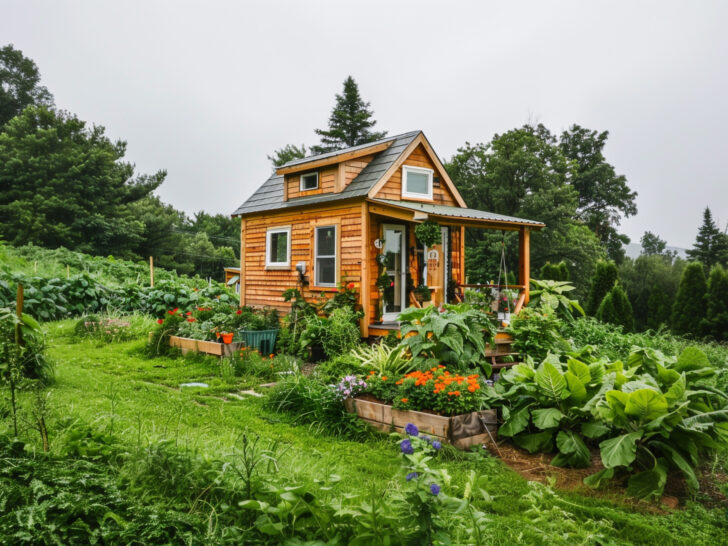
Water Sourcing and Purification for Off-Grid Living
Reliable access to clean water is non-negotiable for any homesteader. Developing off-grid survival skills in water collection, filtration, and storage will safeguard your health and support your homestead’s daily needs.
- Rainwater Harvesting: Collecting rainwater from roofs and other surfaces is a practical way to supplement your water supply. Install gutters and storage tanks to maximize collection.
- Wells and Springs: If your property has a natural water source, learn how to maintain and protect it from contamination.
- Filtration and Purification: Use filters, boiling, or chemical treatments to ensure water is safe for drinking and cooking.
- Conservation: Practice water-saving habits and consider greywater recycling for irrigation.
For more on maintaining your systems and tools, review the off-grid maintenance checklist to keep everything running smoothly.
Energy Management and Alternative Power Sources
Living away from the grid means generating and managing your own power. Understanding the basics of solar, wind, and backup generators is a critical part of survival skills for homesteaders in remote areas.
- Solar Power: Solar panels are a popular choice for generating electricity. Learn about panel placement, battery storage, and system maintenance.
- Wind Turbines: In windy locations, turbines can supplement your energy needs.
- Generators: Gas or propane generators provide backup power during extended cloudy periods or emergencies.
- Energy Conservation: Use energy-efficient appliances and LED lighting to stretch your power supply.
For a detailed overview of what you’ll need to set up and maintain your energy systems, the off-grid living essentials guide offers practical advice and product recommendations.
Building and Shelter Maintenance Skills
Keeping your home and outbuildings in good repair is vital for safety and comfort. Basic carpentry, roofing, and insulation knowledge will help you protect your investment and withstand the elements.
- Carpentry: Learn to use hand tools for homesteaders to build, repair, and maintain structures. Skills like framing, siding, and flooring are invaluable.
- Roofing: Regular inspection and patching prevent leaks and water damage.
- Insulation: Proper insulation for off-grid living keeps your home warm in winter and cool in summer, reducing energy demands.
- Tool Maintenance: Keeping your tools sharp and in good working order saves time and effort.
For a list of must-have implements, see the hand tools for homesteaders resource.
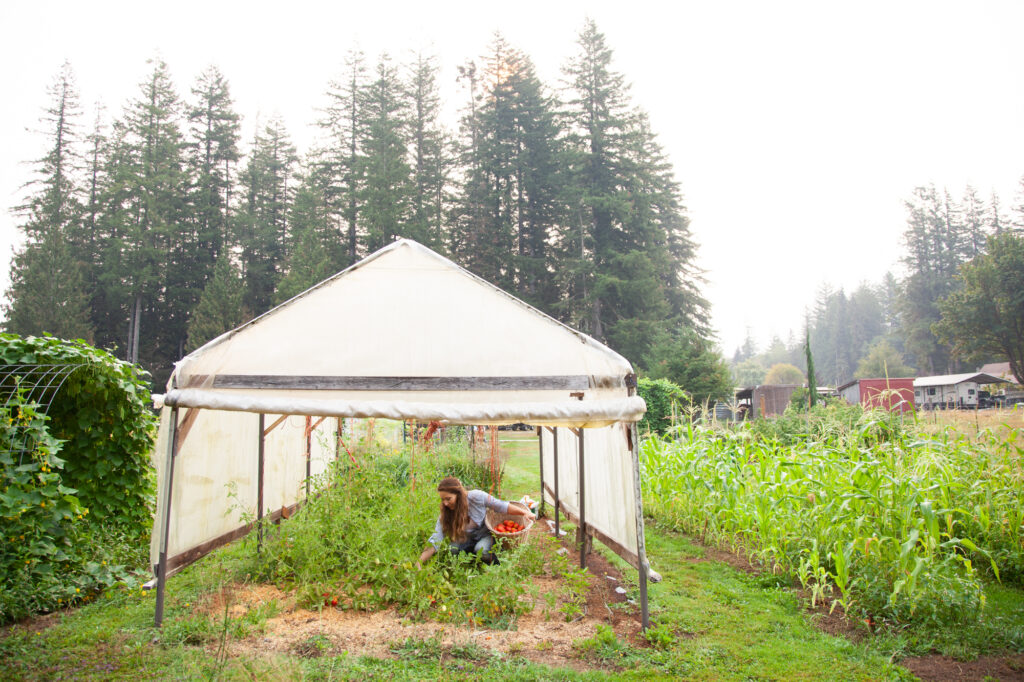
Emergency Preparedness and First Aid
Remote living comes with unique risks, from severe weather to medical emergencies. Being prepared for the unexpected is a vital part of any homesteader’s survival toolkit.
- First Aid: Keep a well-stocked kit and learn how to treat common injuries, bites, and illnesses.
- Fire Safety: Know how to prevent, detect, and extinguish fires in your home and outbuildings.
- Evacuation Planning: Have a plan for natural disasters, including routes, supplies, and communication strategies.
- Self-Defense: Learn basic techniques and consider non-lethal deterrents for wildlife or intruders.
Developing a Self-Reliant Mindset
Beyond practical abilities, mental resilience and adaptability are crucial for success. Homesteaders benefit from a willingness to learn, problem-solve, and collaborate with neighbors or online communities.
- Continuous Learning: Stay curious and seek out new information, whether through books, workshops, or online resources.
- Community Building: Connect with others for support, knowledge sharing, and bartering.
- Resourcefulness: Make the most of what you have and repurpose materials whenever possible.
For tips on keeping your systems in top shape, refer to the off-grid maintenance checklist.
Frequently Asked Questions
What are the most important survival skills for homesteaders?
The most critical abilities include food production, water sourcing and purification, energy management, shelter maintenance, and emergency preparedness. Developing a self-reliant mindset and learning to adapt to changing circumstances are equally important.
How can I start learning off-grid skills if I’m new to homesteading?
Begin with small projects like gardening or rainwater collection. Read guides, take local workshops, and connect with experienced homesteaders online. The DIY off-grid projects resource offers practical ideas for beginners.
What tools are essential for off-grid living?
Key tools include hand tools for building and repairs, gardening implements, water filtration systems, and basic medical supplies. For a detailed list, see the essential tools for off-grid living guide.
How do I keep my homestead energy efficient?
Use renewable sources like solar or wind, invest in good insulation, and choose energy-saving appliances. Regular maintenance and monitoring help prevent waste and extend the life of your systems.
Building a sustainable, off-grid lifestyle is a rewarding journey that requires dedication and a willingness to learn. By focusing on the core survival skills for homesteaders outlined here, you’ll be well-prepared to face challenges and enjoy the many benefits of self-sufficient living.