Urban gardening is on the rise, and transforming unused rooftop space into a thriving green oasis offers numerous benefits. From growing fresh produce to improving insulation and supporting biodiversity, rooftop gardens are an excellent way to make the most of limited space. However, safety and planning are essential for a successful project. This guide will walk you through the essential steps, considerations, and best practices for establishing a secure and productive rooftop garden.
Before diving into the practical steps, it’s helpful to explore related topics such as how to use container gardening to maximize your available space. Container gardening techniques are especially valuable when working on rooftops, where weight and portability are key concerns.
Assessing Your Rooftop for Gardening
The first step in creating a safe rooftop garden is evaluating whether your building can support the additional weight and activity. Start by consulting with a structural engineer or building professional to determine the load-bearing capacity of your roof. Rooftop gardens can add significant weight, especially when soil, containers, and water are involved.
- Check structural integrity: Ensure the roof is in good condition, free from leaks, and able to support the combined weight of soil, plants, containers, and people.
- Obtain permissions: Contact your building management or local authorities to secure any necessary permits or approvals.
- Consider waterproofing: Proper waterproofing and drainage systems are crucial to prevent water damage to the building below.
Planning Your Rooftop Garden Layout
Once your rooftop is cleared for gardening, it’s time to design a layout that maximizes space, sunlight, and safety. Consider the following factors:
- Sunlight exposure: Observe how much direct sunlight your rooftop receives throughout the day. Most vegetables and herbs need at least 6 hours of sunlight.
- Wind protection: Rooftops are often exposed to strong winds. Use windbreaks such as trellises, fencing, or tall plants to shield delicate crops.
- Accessibility: Plan walkways and arrange containers to allow easy movement and maintenance.
- Safety barriers: Install railings or barriers to prevent accidents, especially if children or pets will access the area.
Choosing Containers and Growing Mediums
Selecting the right containers and soil is vital for both plant health and rooftop safety. Lightweight materials help reduce the overall load on your roof.
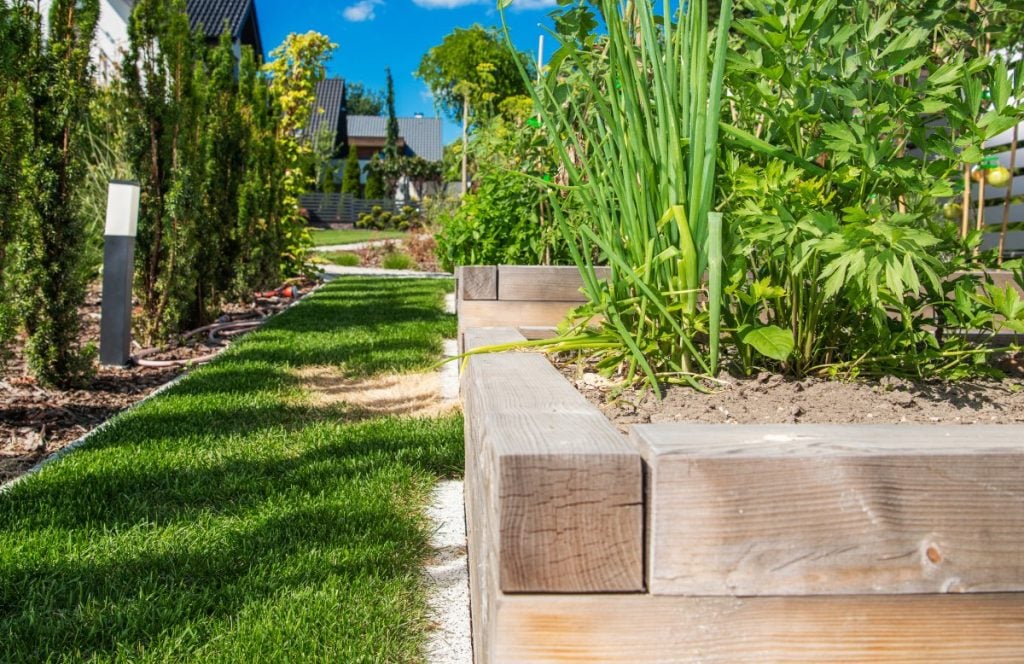
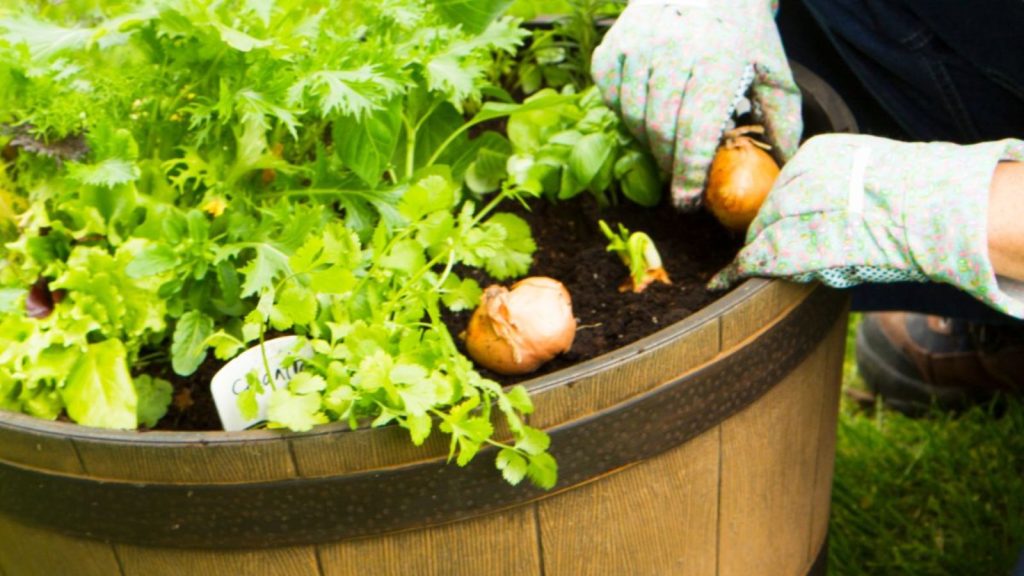
- Container options: Use lightweight pots, raised beds, or fabric grow bags to minimize weight and improve drainage.
- Soil mix: Opt for a high-quality potting mix that is lighter than traditional garden soil and provides good drainage.
- Drainage solutions: Ensure all containers have adequate drainage holes to prevent waterlogging and root rot.
Picking the Right Plants for Your Rooftop
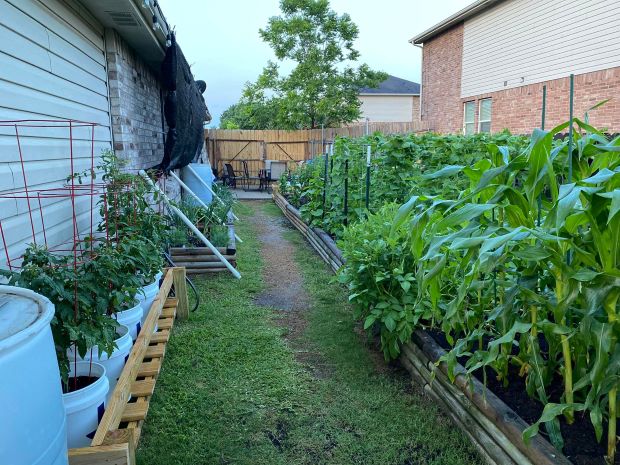
Not all plants are equally suited for rooftop conditions. Choose varieties that can tolerate wind, sun, and limited soil depth. Some of the best options for rooftop gardening include:
- Leafy greens: Lettuce, spinach, kale, and arugula thrive in containers and mature quickly.
- Herbs: Basil, parsley, chives, and mint are compact and easy to manage.
- Root vegetables: Radishes, carrots, and beets can do well in deep containers.
- Dwarf fruiting plants: Cherry tomatoes, peppers, and bush beans are productive and manageable.
For those interested in maximizing yield in limited space, exploring small-space hydroponics can be a valuable addition to your rooftop setup.
Watering and Irrigation Considerations
Proper watering is essential for healthy plants, but overwatering can lead to excess weight and potential water damage. Here’s how to keep your rooftop garden hydrated without risk:
- Use self-watering containers or install a drip irrigation system to deliver water efficiently and reduce waste.
- Monitor soil moisture regularly, especially during hot or windy weather.
- Collect rainwater with barrels or containers, but ensure they are securely anchored to prevent tipping or overflow.
Safety Tips for Rooftop Gardening
Safety should always be a top priority when working at heights. Here are some key precautions to keep in mind:
- Install sturdy railings or fencing around the perimeter of your rooftop garden.
- Use non-slip surfaces for walkways to prevent falls, especially in wet conditions.
- Secure all containers and equipment to prevent them from being blown over by strong winds.
- Never overload your roof; always stay within the weight limits recommended by your structural engineer.
- Keep emergency exits clear and ensure easy access for maintenance or in case of emergencies.
Maintaining and Enjoying Your Urban Oasis
Regular maintenance is key to a productive and attractive rooftop garden. Monitor plant health, check for pests, and replenish soil nutrients as needed. Rotate crops to prevent disease buildup and maximize yields.
Rooftop gardening can also be a gateway to other sustainable practices. For those interested in expanding their homesteading skills, resources like this overview of the homesteading lifestyle offer inspiration and practical advice.
If you’re looking to preserve your rooftop harvest, consider learning about small-space fermenting techniques for beginners. This can help you make the most of your fresh produce and reduce food waste.
Frequently Asked Questions
What are the most important safety considerations for rooftop gardening?
The most critical safety factors include verifying the roof’s structural capacity, installing secure railings or barriers, using lightweight containers, and ensuring proper drainage to prevent water damage. Always consult a professional before starting.
Which plants are best suited for rooftop environments?
Choose plants that tolerate wind, sun, and shallow soils. Leafy greens, herbs, root vegetables, and compact fruiting plants like cherry tomatoes and peppers are excellent choices for rooftop gardens.
How can I water my rooftop garden efficiently?
Self-watering containers and drip irrigation systems are ideal for conserving water and reducing weight. Regularly monitor soil moisture and consider collecting rainwater if your local regulations allow.