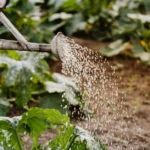

Are you a homesteader looking for sustainable ways to manage your water resources? If so, you’ve likely heard of the concept of greywater reuse. In this guide, we’ll explore some innovative methods to implement the practice of recycling greywater on your homestead.
But first, let’s understand what greywater is. Greywater is the waste water that comes from your showers, sinks, and washing machines. It’s not potable, but it’s not as polluted as black water (sewage). This makes it a valuable resource that can be treated and reused for various purposes around your homestead.
Before we delve into the specifics, it’s worth noting that composting kitchen scraps is another excellent way to reduce waste and enhance sustainability on your homestead.
Methods to Reuse Greywater in Your Homestead
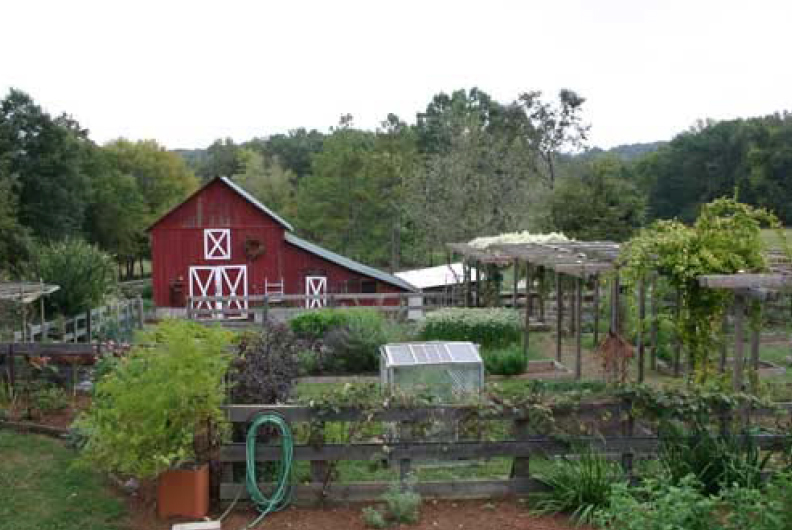
There are several ways you can repurpose greywater in your homestead. Here are a few ideas:
- Watering plants: Greywater can be used to irrigate your garden or farm. It’s rich in nutrients and can help improve soil quality.
- Flushing toilets: By using greywater to flush your toilets, you can significantly reduce your fresh water usage.
- Washing cars and outdoor furniture: Greywater is perfectly suitable for outdoor cleaning tasks.
Creating a Greywater System for Your Homestead
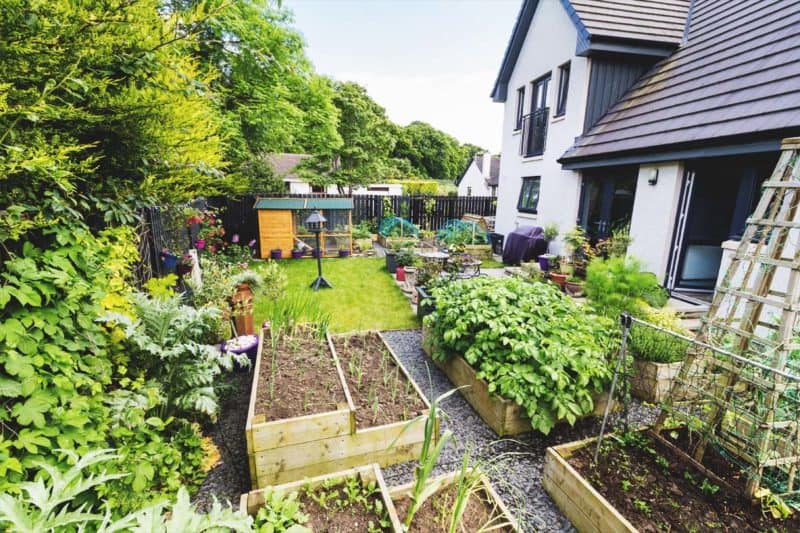
Establishing a greywater system in your homestead might seem daunting, but it’s easier than you think. You can learn more about creating an eco-friendly homestead on this resourceful website.
As you can see, reusing greywater is a practical and sustainable way to manage water resources on your homestead. Not only does it help conserve water, but it also reduces the amount of wastewater that ends up in our rivers and oceans. So why not give it a try? You can save energy every day and even add solar lamps near pipe for an added touch of sustainability.