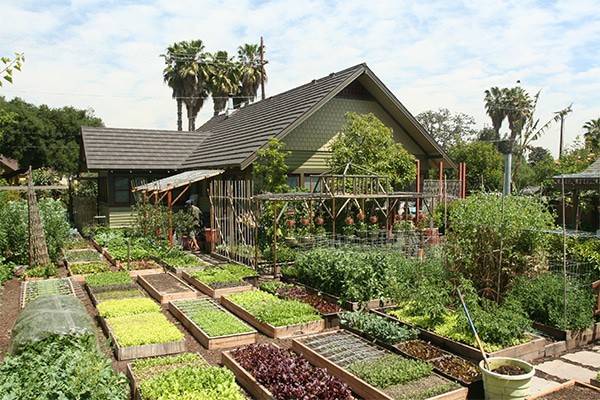
Creating a sustainable and self-sufficient garden is a goal for many individuals. One of the best ways to achieve this is by designing a permaculture garden. This guide will walk you through the process and provide tips to make your garden thrive.
Before we dive into the details, it’s important to understand the basics of permaculture. For a more in-depth look, check out this article on permaculture principles explained.
Understanding the Basics of Permaculture
Permaculture is a method of designing gardens and farms that mimic natural ecosystems. The goal is to create a system that is sustainable and self-sufficient, requiring minimal external inputs.
Steps to Create Your Permaculture Garden
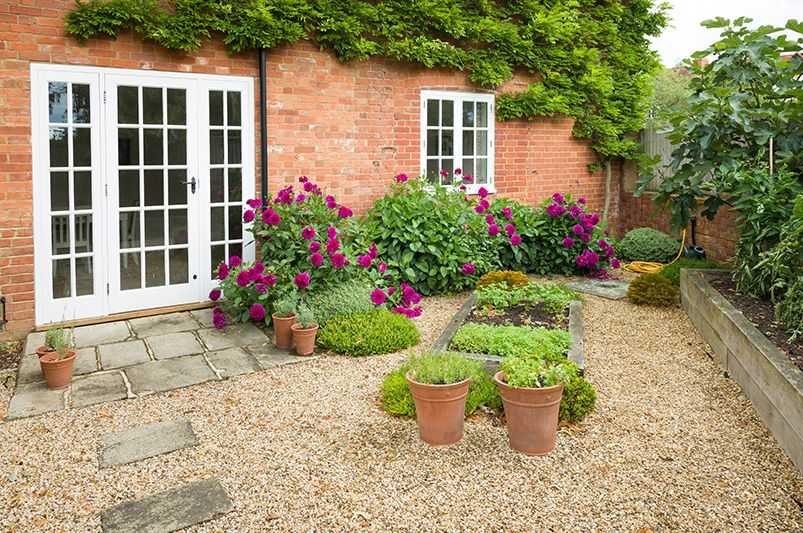
Designing a permaculture garden involves several steps, from observing your land and designing your layout to implementing your plan and maintaining your garden. This process requires careful planning and consideration.
Observation and Assessment
The first step in creating a permaculture garden is to observe and assess your land. This involves understanding the climate, soil type, water availability, and other factors that affect your garden’s productivity.
Designing Your Layout
The next step is to design your garden layout. This involves deciding where to plant different crops based on their needs and how they interact with each other.
Implementing Your Plan
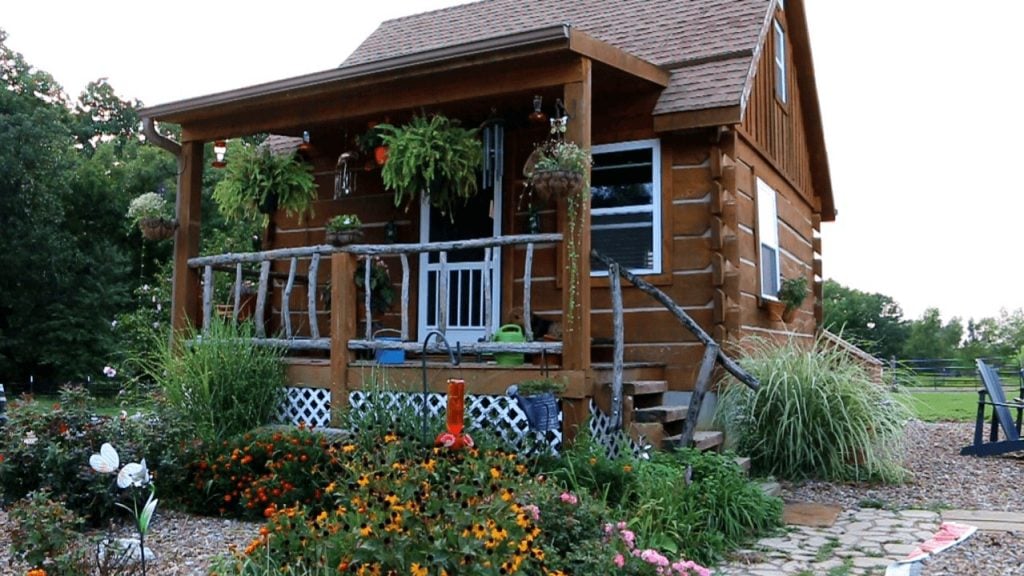
Once you have a plan, it’s time to implement it. This involves preparing the soil, planting your crops, and setting up any necessary infrastructure.
Maintaining Your Garden
The final step is to maintain your garden. This involves regular watering, weeding, and pest management. However, a well-designed permaculture garden should require minimal maintenance.
Additional Resources for Permaculture Gardening
If you’re interested in learning more about permaculture gardening, check out this descriptive anchor text.
Conclusion
Designing a permaculture garden is a rewarding project that can provide you with a sustainable and self-sufficient source of food. With careful planning and implementation, you can create a garden that mimics natural ecosystems and requires minimal maintenance.
If you’re looking for tools to help you with your permaculture garden, check out these options for warm water, zero emissions and highlight your farm layout.