Gardening in compact areas presents unique challenges, especially when it comes to protecting plants from strong winds. These gusts can damage delicate foliage, break stems, and even uproot young plants. Fortunately, there are several effective strategies to shield your garden from the wind, ensuring your plants thrive in small spaces.
In this guide, we’ll explore a variety of methods to create a wind-resistant environment for your plants. Whether you’re working with a balcony, a small backyard, or a rooftop garden, these solutions will help you maintain a healthy and vibrant garden.
For more insights on creating a sustainable garden, consider reading our modern homesteading homestead design ideas guide.
Utilizing Natural Barriers
One of the simplest ways to protect your plants from the wind is by using natural barriers. These can include hedges, shrubs, or even tall grasses. These elements not only block the wind but also add aesthetic value to your garden.
When selecting plants for natural barriers, choose species that are hardy and can withstand strong winds themselves. This approach not only shelters your garden but also enhances biodiversity.
Installing Windbreaks
Windbreaks are structures specifically designed to reduce wind speed and protect plants. These can be made from a variety of materials such as wood, fabric, or metal. In small spaces, consider using trellises or lattice panels which can double as supports for climbing plants.

Using Containers and Raised Beds
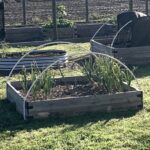
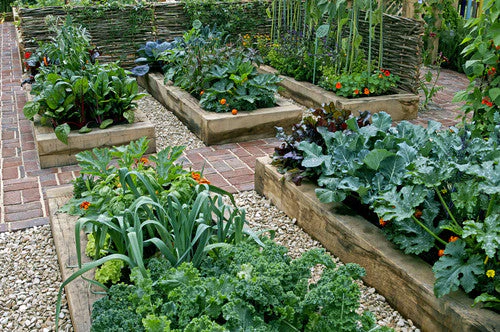
Containers and raised beds offer flexibility in small gardens. They can be strategically placed to minimize wind exposure. Additionally, these structures can be moved or adjusted as needed, providing a dynamic solution to changing wind patterns.
For those interested in container gardening, consider investing in sturdy containers that won’t tip over easily. This can be particularly useful in areas prone to sudden gusts.
Creating Microclimates
Microclimates are small areas with different climatic conditions than the surrounding area. By creating microclimates, you can provide a more controlled environment for your plants. This can be achieved by using walls, fences, or other structures to block wind and retain heat.

Additional Tips for Wind Protection
- Mulching: Use mulch to stabilize soil and protect plant roots from wind erosion.
- Staking: Support taller plants with stakes to prevent them from bending or breaking.
- Regular Maintenance: Keep an eye on weather forecasts and adjust your protection strategies as needed.
For more comprehensive strategies on maintaining a healthy garden, check out Mother Earth News for additional resources.
FAQs
What are the best plants for natural wind barriers?
Plants such as bamboo, boxwood, and privet are excellent choices for natural wind barriers due to their dense foliage and resilience to wind.
Can windbreaks be decorative?
Yes, windbreaks can be both functional and decorative. Consider using trellises with climbing plants or decorative panels that complement your garden’s aesthetic.
How do I create a microclimate in my garden?
To create a microclimate, use structures like walls or fences to block wind and retain heat. Planting near these structures can help create a more stable environment for sensitive plants.