For many homesteaders and small-scale farmers, providing fresh, nutritious feed for animals can be a challenge—especially when space is limited. Small-space fodder systems offer a practical solution, allowing you to grow high-quality green feed year-round, even in compact environments. Whether you keep chickens, rabbits, goats, or a backyard dairy cow, these systems can help you maximize productivity and minimize feed costs.
In this article, we’ll explore how to set up efficient fodder-growing setups in tight quarters, the benefits of these methods, and tips for choosing the right containers and lighting. If you’re interested in other aspects of modern homesteading, such as fencing or herbal gardens, you might also find the modern homesteading fencing guide useful for optimizing your space and resources.
Why Choose Compact Fodder Solutions?
Traditional pasture-based feeding isn’t always possible, especially for those in urban or suburban settings, or during winter months. Small-space fodder systems allow you to grow fresh greens indoors or in limited outdoor areas. These setups typically use vertical stacking, trays, or containers to sprout grains like barley, wheat, or oats, producing lush mats of nutrient-rich feed in as little as 7–10 days.
The advantages include:
- Year-round production: Grow fresh fodder regardless of weather or season.
- Reduced feed costs: Sprouting grains increases their volume and nutritional value, stretching your feed budget.
- Improved animal health: Animals benefit from the vitamins, minerals, and enzymes in fresh greens.
- Minimal space requirements: Even a small balcony or utility room can support a productive fodder setup.
Setting Up a Small-Scale Fodder System
Starting a compact fodder-growing operation doesn’t require expensive equipment. The basics include containers or trays, seeds, water, and—if indoors—adequate lighting. Here’s a step-by-step overview:
- Choose your containers: Shallow trays, gardening containers, or fabric grow bags work well. Ensure they have drainage holes to prevent mold.
- Select your seeds: Barley is a popular choice, but wheat, oats, and rye also sprout quickly and provide excellent nutrition.
- Soak and sprout: Soak seeds for 8–12 hours, then spread them evenly in your trays.
- Water daily: Rinse seeds twice a day to keep them moist but not soggy. Good drainage is essential.
- Harvest: In 7–10 days, you’ll have a dense mat of green fodder ready to feed to your livestock.
Best Containers and Materials for Limited Spaces
Not all containers are created equal when it comes to growing fodder in tight quarters. Here are some options to consider:
- Stackable trays: These maximize vertical space and can be easily moved or cleaned.
- Fabric grow bags: Lightweight and breathable, they help prevent root rot and are easy to store when not in use.
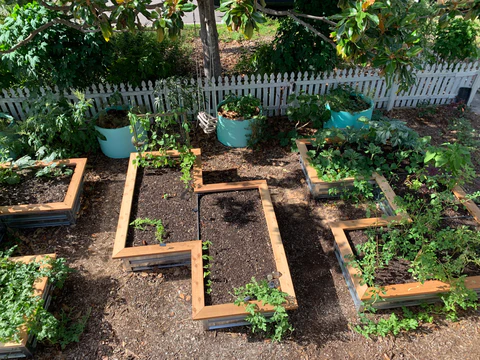
- Repurposed bins or gardening containers: As long as they have drainage, many household items can be adapted for fodder production.
For more ideas on optimizing your homestead’s growing areas, check out the modern homesteading herbal garden ideas guide, which covers creative uses of containers and small spaces.
Lighting and Location Tips for Indoor Fodder Production
If you’re growing fodder indoors, proper lighting is essential. While some setups can thrive near a sunny window, many benefit from supplemental LED grow lights. These lights provide the full spectrum needed for healthy, green growth and can be positioned above stacked trays or shelves.
- Choose a location with good air circulation to prevent mold.
- Keep temperatures between 60–75°F (15–24°C) for optimal sprouting.
- Use a timer for grow lights to provide 12–16 hours of light per day.
For more on managing small-scale animal operations, see the modern homesteading backyard dairy basics article for tips on integrating fodder systems with your livestock care routine.
Integrating Fodder Systems Into Your Homestead Routine
Adding a compact fodder-growing setup to your daily chores is straightforward. Most systems require just a few minutes each morning and evening for rinsing and harvesting. The payoff is a steady supply of fresh, green feed that can supplement or partially replace purchased grains and hay.
Many homesteaders find that small-space fodder systems are especially valuable during winter or drought, when pasture is unavailable. They also reduce reliance on commercial feeds, supporting a more self-sufficient lifestyle. For more inspiration on frugal and efficient homesteading, visit this comprehensive guide to small-scale homesteading.
Common Challenges and How to Overcome Them
While these systems are relatively simple, a few issues can arise:
- Mold or mildew: Ensure trays have good drainage and avoid overwatering. Increase air flow if needed.
- Poor sprouting: Use fresh, high-quality seed and maintain consistent moisture.
- Odor: Rinse seeds and trays regularly to prevent buildup of bacteria.
With a little practice, most issues can be resolved quickly, making these systems a reliable part of your livestock feeding program.
Expanding Your Homestead’s Efficiency
Once you’re comfortable with growing fodder in small spaces, consider integrating other efficient practices. For example, rotating containers or using multi-level shelving can further increase your output. Combining fodder production with other small-space gardening techniques—such as vertical herb gardens—can help you make the most of every square foot.
For those just starting out, avoiding common pitfalls is key. The modern homesteading beginner mistakes guide is a helpful resource for building a resilient and productive homestead, no matter the size of your property.
FAQ: Small-Scale Fodder Growing
What types of livestock benefit most from compact fodder setups?
Chickens, rabbits, goats, sheep, and dairy cows all thrive on fresh green fodder. These systems are particularly useful for poultry and small ruminants, but larger animals can also benefit from supplemental greens.
How much space do I need to start a fodder system?
You can begin with as little as a few square feet—enough for a stack of trays or a couple of gardening containers. Many people use shelves, windowsills, or unused corners of a shed or garage.
Is it cost-effective to grow fodder in small spaces?
Yes. Sprouting grains expands their volume and nutritional content, reducing the need for purchased feed. Initial setup costs are low, especially if you repurpose containers or use affordable fabric grow bags.
How do I prevent mold in my trays?
The key is proper drainage and regular rinsing. Ensure all containers have holes, don’t overwater, and provide good airflow. If mold appears, clean trays thoroughly before restarting.
Conclusion
Small-space fodder systems make it possible for anyone—regardless of property size—to provide fresh, nutritious feed for their animals. With a few simple materials and daily attention, you can boost your livestock’s health, cut feed costs, and move closer to self-sufficiency. By integrating these systems with other efficient homesteading practices, you’ll maximize productivity and resilience on your land.