Embracing renewable energy for homesteading is a practical step toward self-sufficiency, sustainability, and lowering long-term living costs. Whether you are just starting your off-grid journey or looking to upgrade your current setup, understanding the main options—solar, wind, and water—can help you make informed decisions for your property. Each source brings unique benefits and challenges, and the right mix depends on your land, climate, and energy needs.
Many modern homesteaders are turning to clean energy not only to reduce reliance on the grid but also to minimize their environmental impact. This guide explores the essentials of integrating solar panels, wind turbines, and micro-hydro systems into your homestead, offering practical advice for choosing, installing, and maintaining these systems. For those interested in broader aspects of self-reliant living, the modern homesteading fencing guide is a helpful resource to complement your energy planning.
Why Choose Clean Energy Solutions for Your Homestead?
The shift toward clean energy for homesteads is driven by several factors. Rising utility costs, frequent power outages, and a desire for independence motivate many to explore alternatives. Renewable sources can provide reliable electricity, heat, and even water pumping, all while reducing your carbon footprint.
- Cost Savings: After the initial investment, ongoing expenses are minimal compared to traditional utilities.
- Energy Security: Off-grid systems protect you from grid failures and price hikes.
- Environmental Impact: Solar, wind, and water power reduce greenhouse gas emissions and reliance on fossil fuels.
- Property Value: A well-designed renewable system can increase the value and appeal of your land.
For a deeper dive into off-grid living, the comprehensive off-grid living guide offers additional insights and planning tips.
Solar Power: Harnessing the Sun’s Energy
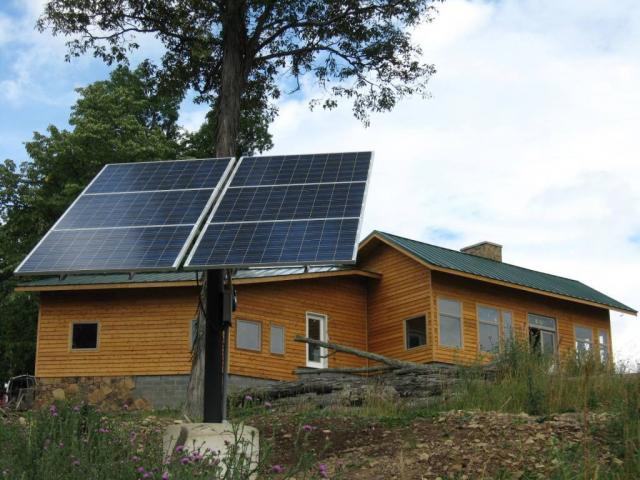
Solar panels are often the first option considered for renewable energy for homesteading. They are versatile, scalable, and require minimal maintenance once installed. Photovoltaic (PV) systems convert sunlight directly into electricity, which can be stored in batteries for use at night or during cloudy weather.
Key Advantages of Solar Setups
- Low Maintenance: No moving parts means fewer breakdowns and less upkeep.
- Scalable: Start small and expand as your needs grow.
- Silent Operation: Panels generate power without noise, making them ideal for peaceful rural settings.
Considerations for Solar Installations
Before investing in solar, assess your site’s sun exposure. Panels need direct sunlight for optimal performance, so avoid shaded areas. Battery storage is essential for off-grid systems, and you’ll need an inverter to convert DC power to AC for household use. Keep in mind that winter months or cloudy climates may require a larger array or backup generator.
Wind Power: Tapping into Local Breezes
For homesteads in open areas with consistent wind, turbines can be a valuable addition to your energy mix. Wind power complements solar by generating electricity at night or during overcast days, providing a more balanced supply.
Benefits of Wind Turbines on Homesteads
- Nighttime Generation: Wind can produce power when solar is inactive.
- Year-Round Output: Especially effective in windy regions or during seasonal storms.
- Space Efficiency: Turbines require less ground space than solar arrays for similar output.
Site Assessment and Installation Tips
Wind energy is site-specific. Use a wind meter to measure average speeds over several months. Most small turbines need at least 10–12 mph average wind speed to be effective. Install towers high enough to avoid turbulence from trees or buildings. Maintenance includes checking blades and bearings, especially after storms.
Water Power: Micro-Hydro Systems for Consistent Output
If your property includes a year-round stream or creek, micro-hydro systems can provide steady, reliable electricity. Unlike solar and wind, water turbines can generate power 24/7, making them one of the most consistent renewable options for rural properties.
Advantages of Micro-Hydro for Rural Living
- Continuous Generation: Produces power day and night, regardless of weather.
- Minimal Footprint: Small turbines can be installed with little disruption to the landscape.
- Low Maintenance: Once set up, systems require only periodic cleaning and inspection.
Key Considerations
Water rights and environmental regulations may apply, so check local laws before installing a system. The volume and drop (head) of your water source determine how much power you can generate. Seasonal changes in water flow can affect output, so plan for fluctuations.
Integrating Multiple Energy Sources
Many successful homesteads use a hybrid approach, combining solar, wind, and water to maximize reliability and efficiency. For example, solar panels can handle daytime loads, while wind or hydro covers nighttime or cloudy periods. Battery banks and smart controllers help balance supply and demand, ensuring you always have power when you need it.
When planning your system, consider your total energy needs, available resources, and budget. Start with the most accessible option and expand as you learn more about your property’s unique conditions. For those managing livestock or gardens, integrating energy solutions with other homesteading projects—such as using solar pumps for irrigation—can further increase your self-reliance.
If you’re interested in other aspects of sustainable living, check out the modern homesteading herbal garden ideas for ways to enhance your property’s productivity alongside your energy systems.
Maintenance and Troubleshooting for Off-Grid Systems
Regular maintenance is key to keeping your renewable energy setup running smoothly. Clean solar panels every few months, especially after storms or pollen-heavy seasons. Inspect wind turbines for wear, especially after high winds. For micro-hydro, clear debris from intake screens and check for leaks or blockages.
- Monitor battery health and replace old batteries as needed.
- Keep an eye on inverters and charge controllers for error codes or unusual behavior.
- Document your setup and keep manuals handy for quick troubleshooting.
Many issues can be resolved with basic tools and a little research. For more complex problems, consider joining online forums or local homesteading groups for support and advice.
Frequently Asked Questions
What is the best renewable energy source for a small homestead?
The ideal solution depends on your location and resources. Solar is the most popular for its simplicity and scalability, but wind or micro-hydro can be excellent additions if you have the right conditions. Many homesteads benefit from a combination of sources for year-round reliability.
How much does it cost to set up an off-grid energy system?
Costs vary widely based on system size, equipment quality, and installation method. A basic solar setup can start at a few thousand dollars, while larger or hybrid systems may require a bigger investment. Over time, savings on utility bills and increased property value often offset the initial expense.
Do I need permits for installing renewable energy systems?
In most areas, you’ll need permits for electrical work and, in the case of water power, environmental approvals. Always check with local authorities before starting your project to ensure compliance and avoid fines or delays.
Conclusion
Adopting renewable energy for homesteading is a powerful way to increase your independence, reduce costs, and live more sustainably. By carefully evaluating your land and needs, you can design a system that provides reliable, clean power for years to come. For further tips on budgeting and avoiding common pitfalls, the modern homesteading budgeting tips and modern homesteading beginner mistakes guides are valuable resources as you plan your off-grid journey.