Embracing a homesteading lifestyle means striving for self-sufficiency, sustainability, and harmony with nature. One of the most important aspects of this approach is finding effective, eco-friendly ways to manage pests without relying on harsh chemicals. Modern homesteading natural pest control focuses on practical, low-impact methods that protect your crops, livestock, and home while supporting the health of your land.
Whether you’re tending a backyard garden or managing a larger property, understanding how to prevent and address pest issues naturally is essential. This article explores proven strategies, from encouraging beneficial insects to using physical barriers, so you can keep your homestead thriving without compromising your values.
For those interested in expanding their sustainable skills, exploring modern homesteading vertical gardening tips can be a great complement to natural pest management, helping maximize space and reduce pest pressure.
Why Choose Eco-Friendly Pest Management?
Chemical pesticides can disrupt the delicate balance of your homestead’s ecosystem. They may harm pollinators, beneficial insects, pets, and even your family. In contrast, natural pest control for homesteaders supports biodiversity and soil health, while reducing your long-term costs and environmental footprint.
By adopting sustainable practices, you’re not only protecting your harvest but also building a resilient system that can withstand seasonal challenges. This approach aligns with the core values of modern homesteading, prioritizing stewardship and resourcefulness.
Integrated Pest Management for Homesteads
Integrated Pest Management (IPM) is a cornerstone of contemporary homestead pest control. It combines multiple strategies to prevent and address pest issues with minimal environmental impact. Here’s how you can apply IPM principles on your property:
- Monitor regularly: Inspect plants and structures for early signs of pests or disease.
- Identify accurately: Determine which pests are present and assess their threat level.
- Set action thresholds: Decide when intervention is necessary, rather than reacting to every insect sighting.
- Use a combination of methods: Employ cultural, mechanical, biological, and—if truly needed—least-toxic chemical controls.
Encouraging Beneficial Insects and Wildlife
One of the most effective ways to manage pests naturally is to attract and support the creatures that prey on them. Ladybugs, lacewings, praying mantises, birds, bats, and frogs all play a vital role in keeping pest populations in check.
- Plant diverse flowers and herbs to provide nectar and habitat for pollinators and predatory insects.
- Install birdhouses and bat boxes to encourage natural predators of mosquitoes and beetles.
- Maintain a water source, such as a small pond, to attract frogs and toads.
By fostering a balanced ecosystem, you’ll find that many pest problems resolve themselves with minimal intervention.
Physical and Mechanical Barriers
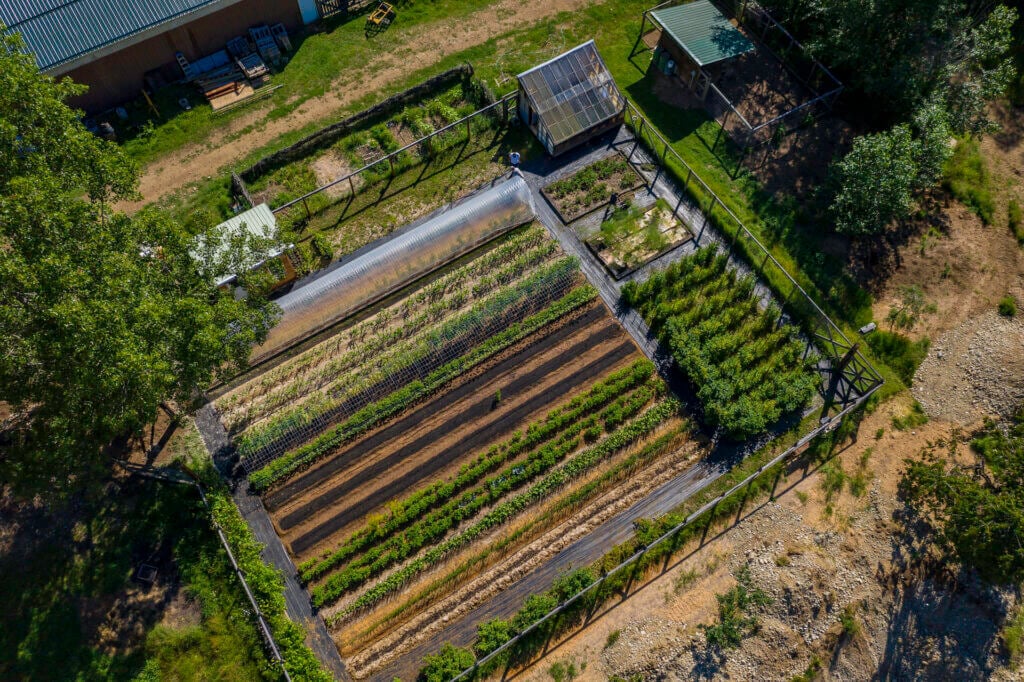
Sometimes, the simplest solutions are the most effective. Physical barriers can prevent pests from accessing your crops or livestock in the first place. Here are some common options for homesteaders:
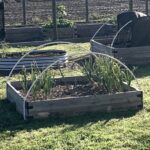
- Row covers: Lightweight fabric can protect vegetables from insects while allowing sunlight and moisture through.
- Netting: Use fine mesh to keep birds and larger pests away from fruit trees and berry bushes.
- Collars and traps: Place cardboard or metal collars around seedlings to deter cutworms, or set up slug traps using shallow dishes of beer.
- Fencing: Proper fencing is essential for keeping deer, rabbits, and other mammals out of gardens and orchards.
Homemade and Organic Pest Solutions
When prevention isn’t enough, there are many safe, homemade remedies that can help control outbreaks. Always test these solutions on a small area first to ensure they don’t harm your plants.
- Neem oil: Derived from the neem tree, this oil disrupts insect feeding and reproduction, making it effective against aphids, mites, and whiteflies.
- Soap sprays: Mix a few drops of mild liquid soap with water to suffocate soft-bodied insects.
- Diatomaceous earth: This fine powder damages the exoskeletons of crawling insects, causing them to dehydrate.
- Garlic or chili sprays: Steep crushed garlic or hot peppers in water and spray on plants to deter chewing pests.
Crop Rotation and Companion Planting
Rotating crops each season disrupts the life cycles of pests and reduces the risk of soil-borne diseases. Pairing certain plants together—known as companion planting—can also help repel unwanted insects and boost yields.
- Plant marigolds near tomatoes to deter nematodes and aphids.
- Grow basil alongside peppers to repel thrips and flies.
- Alternate leafy greens with root vegetables to confuse pests that specialize in one type of crop.
These time-tested techniques are easy to implement and can make a significant difference in your garden’s resilience.
Maintaining a Healthy Homestead Environment
Healthy soil and robust plants are naturally more resistant to pests. Focus on building soil fertility through composting, mulching, and minimizing tillage. Remove diseased or infested plants promptly, and keep garden beds weeded to reduce hiding places for insects.
Regularly cleaning animal enclosures and storing feed securely will also help prevent rodent and insect infestations around your home and barn.
Learning from Other Homesteaders
The homesteading community is full of practical wisdom and creative solutions. For more inspiration on sustainable living, check out these resources:
- Discover additional strategies for modern homesteading backyard orchard guide to protect your fruit trees naturally.
- Explore tips for year-round growing with the modern homesteading greenhouse tips guide.
- Learn about traditional food preservation in the modern homesteading root cellar ideas article.
For a broader perspective on sustainable living, the Luminaid blog on modern homesteading offers more ideas and stories from the field.
Frequently Asked Questions
What are the best natural methods to control pests on a homestead?
The most effective approaches combine several techniques: encouraging beneficial insects, using physical barriers, practicing crop rotation, and applying homemade remedies like neem oil or soap sprays. Regular monitoring and early intervention are key to keeping pest populations under control.
Is it possible to manage pests without any chemicals?
Yes, many homesteaders successfully manage pests using only non-chemical methods. While some severe infestations may require targeted organic products, most problems can be prevented or minimized through healthy soil practices, biodiversity, and mechanical controls.
How can I prevent pests from returning each season?
Rotate crops, clean up plant debris, encourage natural predators, and avoid planting the same crops in the same spot year after year. Maintaining strong, healthy plants and a diverse ecosystem is the best long-term defense against recurring pest issues.