
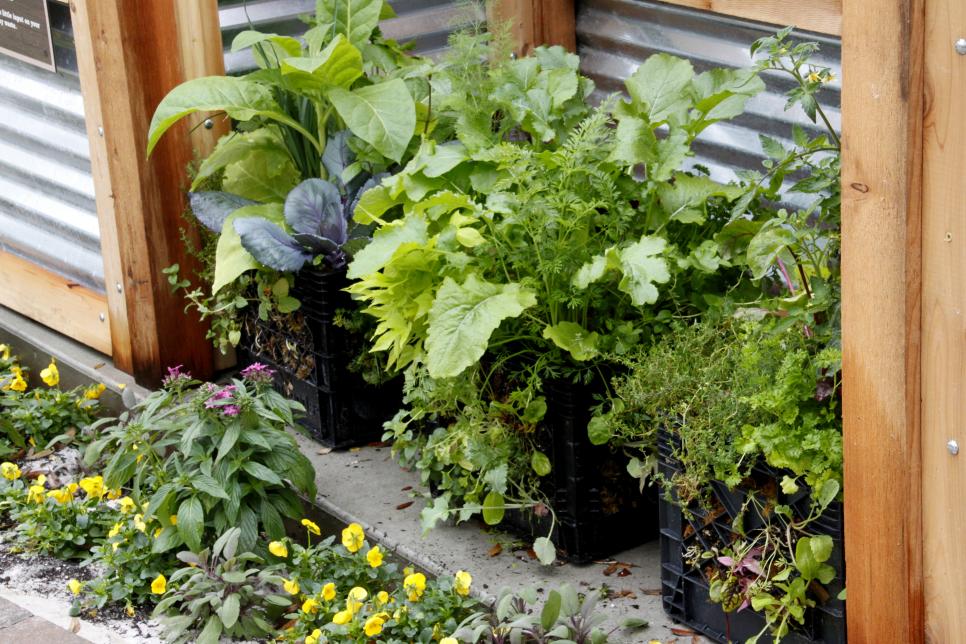
Saving seeds is a rewarding way to make your gardening more sustainable, cost-effective, and resilient. For those with limited room—such as apartment dwellers, balcony gardeners, or anyone working with compact outdoor areas—learning how to save seeds in small spaces can be especially valuable. With a thoughtful approach, you can collect, dry, and store seeds from your favorite plants even if you don’t have a dedicated shed or sprawling garden.
This article covers practical strategies for seed saving in tight quarters, including choosing the right plants, efficient drying and storage methods, and tips for keeping your seeds viable year after year. If you’re interested in expanding your homesteading skills, you may also want to check out the modern homesteading herbal garden ideas for inspiration on maximizing productivity in small spaces.
Choosing the Right Plants for Compact Seed Saving
When space is at a premium, it’s important to be selective about which plants you grow and save seeds from. Focus on varieties that thrive in containers or raised beds, and consider crops that produce a high number of seeds per plant. Leafy greens, herbs, tomatoes, peppers, and beans are all excellent candidates for small-space gardeners.
- Leafy greens like lettuce and spinach are easy to grow in pots and produce abundant seeds.
- Herbs such as basil, cilantro, and dill can be grown on windowsills and yield seeds for future plantings.
- Tomatoes and peppers are compact fruiting plants that offer plenty of seeds from just a few fruits.
- Beans and peas can be grown vertically, saving space while providing pods full of seeds.
Choose open-pollinated or heirloom varieties whenever possible. These types will produce seeds that grow true to type, unlike hybrids, which may not yield consistent results.
Efficient Harvesting and Drying Techniques
One of the main challenges of seed saving in limited space is finding room to harvest and dry seeds without creating clutter or risking contamination. Here are some space-saving tips:
- Harvest in stages: Collect seeds as they mature rather than all at once. This avoids overwhelming your drying area.
- Use vertical space: Hang small mesh bags or paper envelopes from hooks, curtain rods, or shelves to air-dry seeds.
- Repurpose household items: Coffee filters, paper plates, or baking racks can be used to spread out seeds for drying on countertops or window ledges.
- Label everything: Clearly mark each batch with the plant variety and date to keep your collection organized.
Storing Seeds When Space Is Limited
Once your seeds are completely dry, proper storage is key to maintaining their viability. Even in a small apartment or shared living space, you can keep seeds safe and organized with these methods:
- Use airtight containers: Small glass jars, pill bottles, or food-grade plastic containers work well for keeping moisture out.
- Organize with envelopes: Paper coin envelopes or repurposed seed packets can be labeled and stacked in a shoebox or small bin.
- Store in cool, dark places: A closet shelf, drawer, or cupboard away from heat sources helps prolong seed life.
- Include desiccants: Silica gel packets or a bit of dry rice in your storage container can help absorb excess moisture.
Remember to check your seeds periodically for signs of mold or pests, and rotate your stock by using older seeds first.

Maintaining Seed Viability Year After Year
To ensure your saved seeds remain healthy and ready for planting, it’s important to maintain their viability. Here are a few best practices:
- Test germination rates: Each year, test a few seeds by sprouting them on a damp paper towel. If most sprout, your seeds are still good.
- Keep records: Note the date and source of each seed batch. This helps you track which varieties perform best in your conditions.
- Rotate your stock: Use older seeds first and replenish your collection each season.
- Share and swap: Connect with local gardeners or online communities to exchange seeds and diversify your collection.
For more foundational tips on starting a sustainable lifestyle, you might find the beginner’s guide to homesteading principles helpful as you build your skills.
Overcoming Common Challenges in Small-Space Seed Saving
While saving seeds in a limited area comes with unique obstacles, most can be managed with a little creativity:
- Humidity: Use airtight containers and desiccants to prevent moisture buildup, which can cause seeds to rot.
- Pests: Store seeds in sealed jars or containers to keep out insects and rodents.
- Cross-pollination: If you grow multiple varieties of the same crop, use isolation techniques or hand-pollinate to ensure seed purity.
- Space constraints: Prioritize your favorite or most productive plants, and don’t be afraid to start small.
If you’re looking to expand your homesteading knowledge, consider reviewing the modern homesteading beginner mistakes to avoid common pitfalls as you grow your skills.
Frequently Asked Questions
What are the easiest seeds to save in a small apartment?
Some of the simplest seeds to save in a limited area include lettuce, basil, beans, peas, and tomatoes. These plants don’t require much space to grow or process, and their seeds are easy to collect and store.
How long do saved seeds remain viable?
Most seeds will stay viable for 1–5 years if kept cool, dry, and away from light. Some, like tomatoes and beans, can last even longer. Always label your seeds with the collection date and test germination rates each season.
Can I save seeds from store-bought produce?
It’s possible, but results can vary. Many store-bought fruits and vegetables are hybrids, which may not produce true-to-type plants. For best results, save seeds from open-pollinated or heirloom varieties you’ve grown yourself.
How can I prevent seeds from molding during storage?
Make sure seeds are completely dry before storing, use airtight containers, and add a desiccant like silica gel or dry rice to absorb any remaining moisture.
For more ideas on making the most of your homesteading journey, you might also enjoy the modern homesteading fencing guide, which covers practical solutions for small and large spaces alike.