Bringing fresh herbs into your home is a rewarding way to enhance your cooking and add greenery to your living space. Among the many herbs suitable for indoor cultivation, thyme stands out for its resilience, compact growth, and aromatic leaves. Whether you’re a seasoned gardener or just getting started, learning how to grow thyme indoors can provide a steady supply of this versatile herb year-round.
Growing thyme inside allows you to control the environment, avoid pests, and enjoy fresh sprigs whenever you need them. This article covers everything you need to know, from choosing the right variety and container to harvesting and troubleshooting common issues. For those interested in expanding their indoor herb collection, you might also find inspiration in the modern homesteading herbal garden ideas guide, which offers creative tips for cultivating a thriving indoor garden.
Choosing the Best Thyme Varieties for Indoor Cultivation
There are several types of thyme, but not all are equally suited for growing inside. The most popular choice is common thyme (Thymus vulgaris), prized for its culinary uses and robust nature. Other varieties like lemon thyme and creeping thyme can also thrive indoors, offering unique flavors and ornamental appeal.
- Common Thyme: Classic flavor, upright growth, ideal for most recipes.
- Lemon Thyme: Citrus scent, softer leaves, great for teas and desserts.
- Creeping Thyme: Low-growing, decorative, best for ground cover in larger containers.
When selecting seeds or starter plants, look for healthy, disease-free specimens. If you’re new to indoor gardening, starting with a small, established plant from a nursery can simplify the process.
Setting Up the Right Environment for Indoor Thyme
Thyme is a Mediterranean herb that prefers bright light, well-draining soil, and moderate temperatures. Creating the right environment is crucial for vigorous growth and flavorful leaves.
Light Requirements
To successfully grow thyme indoors, provide at least 6 hours of direct sunlight each day. A south-facing window is ideal. If natural light is limited, supplement with LED grow lights to ensure healthy development.
Soil and Container Selection
Thyme thrives in light, well-draining soil. Use a quality potting mix formulated for herbs or mix equal parts potting soil, sand, and perlite. Avoid heavy soils that retain too much moisture, as thyme’s roots are prone to rot.
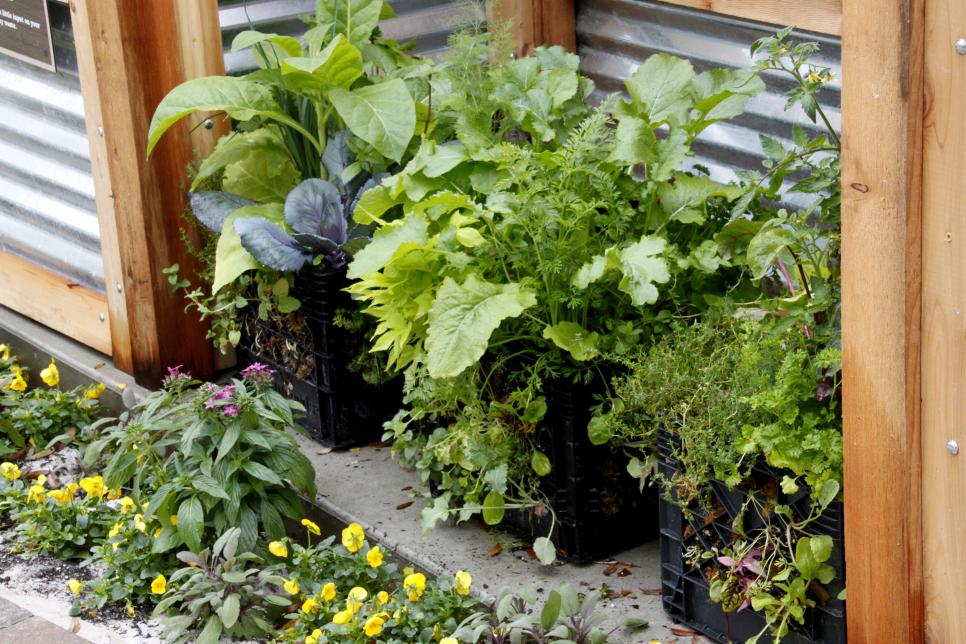
Choose a container with drainage holes to prevent water from accumulating at the bottom. Options like galvanized gardening containers or fabric grow bags work well, offering breathability and space for root development.
Temperature and Humidity
Thyme prefers temperatures between 60°F and 75°F (15°C to 24°C). Avoid placing your plant near cold drafts or heat sources like radiators. While thyme tolerates dry air, occasional misting or using a humidity tray can help during winter when indoor air is drier.
Planting and Caring for Thyme Indoors
Once you have the right setup, it’s time to plant and nurture your thyme. Here’s a step-by-step overview:
- Fill your container with well-draining potting mix, leaving about an inch of space at the top.
- Plant seeds or transplants. If using seeds, sprinkle them lightly and cover with a thin layer of soil. For transplants, gently loosen the roots and set the plant at the same depth it grew previously.
- Water thoroughly after planting, allowing excess to drain away.
- Place the pot in a bright spot or under grow lights.
Watering and Feeding
Thyme is drought-tolerant, so it’s better to underwater than overwater. Allow the top inch of soil to dry out before watering again. Overwatering is a common mistake that can lead to root rot.
Fertilize sparingly. Use a diluted liquid fertilizer once a month during the growing season. Too much fertilizer can reduce the intensity of thyme’s flavor.
Harvesting and Using Your Indoor Thyme
Regular harvesting encourages bushier growth and prevents the plant from becoming woody. Once your thyme reaches about 6 inches tall, you can start snipping sprigs as needed.
- Use clean scissors to cut stems just above a leaf node.
- Never remove more than one-third of the plant at a time.
- Rinse harvested thyme under cool water and pat dry before use.
Fresh thyme adds flavor to soups, stews, roasted vegetables, and marinades. You can also dry or freeze extra sprigs for later use.

Troubleshooting Common Indoor Thyme Problems
Even with the best care, you may encounter some challenges. Here are solutions to frequent issues:
- Leggy Growth: Insufficient light causes stems to stretch. Move the plant to a sunnier spot or use grow lights.
- Yellow Leaves: Usually a sign of overwatering. Let the soil dry out more between waterings.
- Pests: Indoor thyme is generally pest-resistant, but watch for aphids or spider mites. Treat with insecticidal soap if needed.
- Slow Growth: Thyme grows slowly, especially in winter. Be patient and avoid over-fertilizing.
For more tips on creating a sustainable home and garden, you may enjoy reading about the homesteading lifestyle and how it can enrich your daily routines.
Integrating Thyme into Your Indoor Herb Garden
Thyme pairs well with other herbs like rosemary, oregano, and basil. Just ensure each plant has enough space and similar care requirements. Rotating your containers occasionally helps all sides of the plant receive light, promoting even growth.
If you’re interested in expanding your indoor gardening skills, consider exploring topics such as modern homesteading fencing guide or tips for avoiding beginner mistakes in homesteading. These resources can help you create a more productive and enjoyable home environment.
Frequently Asked Questions
How often should I water thyme grown inside?
Allow the top inch of soil to dry before watering. Typically, this means watering once every 7–10 days, but frequency can vary depending on temperature, humidity, and container size.
Can I grow thyme indoors year-round?
Yes, with adequate light and proper care, thyme can thrive indoors throughout the year. Supplemental lighting is especially helpful during winter months when sunlight is limited.
What is the best way to propagate thyme for indoor growing?
Thyme can be propagated from seeds, cuttings, or by dividing mature plants. For beginners, starting with cuttings or small nursery plants is often the easiest and most reliable method.
Does thyme need to be pruned regularly?
Regular harvesting and occasional pruning encourage bushier growth and prevent the plant from becoming woody. Trim back stems after flowering to maintain a compact shape.
By following these practical steps, you’ll enjoy a steady supply of fresh thyme right from your windowsill. Indoor herb gardening is a simple way to bring flavor, fragrance, and a touch of green into your home, no matter the season.