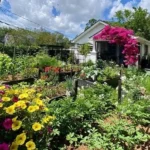
Launching a container farm is an accessible way to grow fresh produce in limited spaces, whether you’re in a city apartment, a suburban backyard, or on a rural homestead. This approach allows for efficient use of space, water, and resources, making it a popular choice for both beginners and experienced growers. With careful planning and the right materials, anyone can begin cultivating vegetables, herbs, or even small fruits in containers.
If you’re interested in sustainable living or want to supplement your food supply, container farming offers flexibility and scalability. It’s also a great entry point for those exploring modern homesteading practices. For more tips on sustainable living and property management, check out the modern homesteading fencing guide for insights on protecting your crops and maximizing your space.

Understanding Container Farming Basics
Before diving into the practical steps, it’s important to understand what container farming involves. At its core, this method uses pots, grow bags, or repurposed containers to cultivate crops instead of planting directly in the ground. This allows for better control over soil quality, water usage, and pest management.
Container farming is ideal for those with limited outdoor space or poor soil conditions. It’s also suitable for renters or anyone who wants a portable garden. By choosing the right containers and soil mix, you can grow a wide range of crops, from leafy greens to root vegetables and even compact fruit varieties.
Planning Your Container Garden
Careful planning is the foundation of a successful container farming project. Start by evaluating your available space—balconies, patios, rooftops, or sunny windowsills can all serve as productive growing areas. Consider the amount of sunlight each area receives, as most edible plants require at least 6 hours of direct sun daily.
Next, decide what you want to grow. Leafy greens, herbs, tomatoes, peppers, and radishes are excellent choices for beginners. Make a list of your preferred crops and research their specific requirements for container size, depth, and spacing.
Choosing the Right Containers
Selecting suitable containers is a key step in establishing your farm. Options include plastic pots, ceramic planters, wooden boxes, and fabric grow bags. Each type has its advantages:
- Plastic pots: Lightweight, affordable, and available in various sizes.
- Ceramic planters: Attractive and durable but heavier and may require more careful handling.
- Wooden boxes: Natural look and good insulation, but may rot over time if not treated.
- Fabric grow bags: Promote excellent drainage and root aeration, ideal for many vegetables.

Preparing Soil and Selecting Plants
The quality of your soil mix will directly impact plant health and yields. Use a high-quality potting mix designed for containers, which typically includes peat moss or coconut coir, perlite or vermiculite, and compost. Avoid using garden soil, as it can compact easily and may harbor pests or diseases.
When choosing plants, consider varieties bred for compact growth or container cultivation. Many seed companies label these as “patio,” “bush,” or “dwarf” types. Start seeds indoors or purchase healthy seedlings from a reputable nursery.
Planting and Arranging Your Containers
Fill each container with moistened potting mix, leaving about an inch of space at the top for watering. Plant seeds or seedlings at the recommended depth and spacing. Group containers based on sunlight needs and ease of access for watering and harvesting.
For a visually appealing and productive setup, mix different heights and colors. Place taller plants at the back or center and trailing or low-growing varieties around the edges.

Maintaining Your Container Farm for Success
Consistent care is essential for thriving plants. Watering is often the most frequent task, as containers dry out faster than garden beds. Check soil moisture daily, especially during hot weather, and water deeply when the top inch feels dry.
Fertilize regularly with a balanced, water-soluble fertilizer or organic compost tea. Container-grown plants quickly use up available nutrients, so feeding every two to four weeks is recommended. Monitor for pests and diseases, removing affected leaves and using organic controls when needed.
Rotate crops seasonally and refresh the potting mix each year to maintain soil health. If you’re interested in expanding your homestead skills, you might also explore modern homesteading herbal garden ideas for inspiration on growing medicinal and culinary herbs.
Scaling Up and Troubleshooting Common Issues
As you gain experience, you may want to expand your setup. Add more containers, experiment with vertical gardening, or try new crops. Keep detailed notes on what works best in your environment.
Common challenges include overwatering, poor drainage, and nutrient deficiencies. Ensure containers have drainage holes, avoid letting pots sit in standing water, and adjust your fertilization schedule as needed. If plants look stunted or yellow, check for root crowding and repot if necessary.
For those managing a larger homestead, integrating container farming with other practices—such as backyard dairy or fencing—can enhance overall productivity. The modern homesteading backyard dairy basics guide offers additional resources for a well-rounded approach.
Frequently Asked Questions
What are the best crops for container farming?
Leafy greens like lettuce, spinach, and kale are ideal for containers, as are herbs such as basil, parsley, and cilantro. Tomatoes, peppers, radishes, and bush beans also thrive in pots. Look for varieties labeled as “compact” or “dwarf” for best results.
How often should I water my container plants?
The frequency depends on the weather, container size, and plant type. Generally, check soil moisture daily and water when the top inch feels dry. During hot or windy conditions, you may need to water once or even twice a day.
Can I reuse potting soil from last season?
Potting soil can be reused if it’s refreshed with compost and nutrients, and if there were no major pest or disease issues. Remove old roots, mix in fresh compost, and consider adding slow-release fertilizer before planting new crops.
Is container farming suitable for beginners?
Absolutely. This method is beginner-friendly and adaptable to small spaces. Start with easy crops and expand as you gain confidence.
How can I maximize yields in a limited space?
Use vertical supports, choose high-yield crops, and practice succession planting. Regularly harvest mature produce to encourage continued growth.