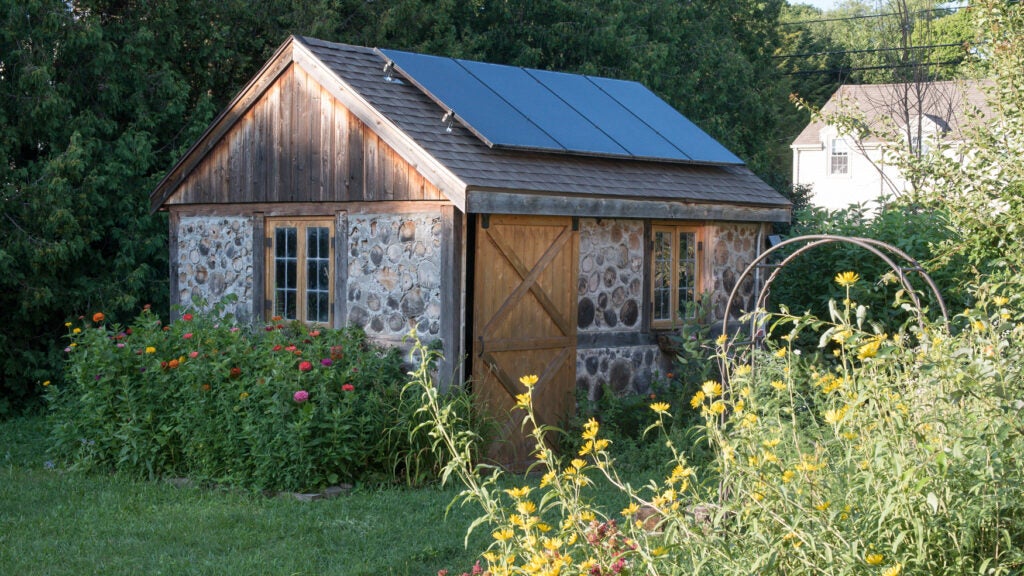
Living off the grid brings a sense of independence and sustainability, but it also comes with unique challenges—especially when it comes to staying comfortable during hot weather. Without the convenience of traditional air conditioning, keeping your home cool requires a blend of smart design, natural techniques, and a bit of creativity. Whether you’re new to off-grid living or looking to optimize your setup, understanding the best ways to manage heat is crucial for comfort and energy efficiency.
In this guide, you’ll find practical strategies for cooling an off-grid home using passive design, natural ventilation, and low-energy solutions. We’ll also touch on how your garden and homestead layout can contribute to a cooler living environment. For those interested in food preservation and storage, exploring options like root cellar ideas off-grid can also help reduce indoor heat by minimizing the need for kitchen appliances during summer.
Passive Cooling Strategies for Off-Grid Living
The foundation of keeping your home cool without air conditioning is passive design. This approach uses the building’s orientation, materials, and layout to naturally regulate temperature. Here are some essential passive cooling techniques:
- Orientation and Shading: Position your home to minimize direct sun exposure during the hottest parts of the day. Use trees, awnings, or pergolas to provide shade on south- and west-facing walls and windows.
- Thermal Mass: Incorporate materials like stone, adobe, or concrete that absorb heat during the day and release it at night, helping to stabilize indoor temperatures.
- Reflective Roofing: Light-colored or reflective roofing materials can deflect solar radiation, reducing heat gain.
- Insulation: Proper insulation in walls, ceilings, and floors keeps unwanted heat out and cool air in.
Natural Ventilation and Airflow Techniques
Harnessing breezes and promoting airflow is vital for cooling an off-grid home efficiently. Here’s how you can maximize natural ventilation:
- Cross-Ventilation: Place windows or vents on opposite sides of rooms to allow air to flow through, carrying heat out with it.
- Stack Effect: Warm air rises, so install high vents or clerestory windows to let hot air escape while drawing in cooler air from lower openings.
- Screen Doors and Windows: Use mesh screens to keep insects out while letting breezes in, especially during cooler evenings and mornings.
- Ventilated Attics: Proper attic ventilation prevents heat buildup above living spaces.

Landscaping and Outdoor Solutions for a Cooler Home
The area surrounding your house can have a significant impact on indoor temperatures. Smart landscaping and outdoor features can help block heat and create a more comfortable environment:
- Shade Trees: Plant deciduous trees on the south and west sides of your home. They provide shade in summer and let sunlight through in winter after leaves drop.
- Green Roofs and Living Walls: Vegetation on roofs or walls absorbs heat and provides natural insulation.
- Mulched Beds: Use mulch around the foundation to reduce heat reflection and keep the ground cooler.
- Water Features: Ponds or fountains can cool the air through evaporation, especially when placed upwind of windows or patios.
For more tips on sustainable gardening and maximizing your outdoor space, check out these off-grid gardening tips for growing food and creating shade.
Low-Energy Cooling Devices and DIY Solutions
While passive and natural methods are the backbone of off-grid cooling, there are also low-energy devices and homemade solutions that can help:
- Solar-Powered Fans: These can boost airflow without drawing from your battery bank or generator.
- Evaporative Coolers (Swamp Coolers): In dry climates, these use water evaporation to cool air and are much less energy-intensive than traditional AC.
- DIY Window Reflectors: Aluminum foil or reflective film can be placed on windows to bounce sunlight away.
- Thermal Curtains: Heavy drapes or insulated shades keep heat out during the day and can be opened at night to let cooler air in.
Everyday Habits to Reduce Indoor Heat
Small changes in daily routines can make a big difference in keeping your home comfortable. Here are some practical habits:
- Cook Outdoors: Use a grill, solar oven, or outdoor kitchen to avoid adding heat inside.
- Limit Appliance Use: Run heat-generating appliances like washers and dryers in the early morning or late evening.
- Close Up During the Day: Keep windows, doors, and curtains closed when the sun is strongest, then open them at night to let in cool air.
- Switch to LED Lighting: LEDs produce far less heat than incandescent bulbs.
Preserving food without adding heat to your living space is another key consideration. Explore methods like fermenting food off-grid or storing food long term off-grid to minimize the need for cooking or canning during the hottest months.
Homestead Design and Community Tips
The layout of your homestead and the way you interact with your environment can further enhance comfort. Consider these additional strategies:
- Multiple Structures: Separate living, cooking, and storage areas to localize heat sources.
- Outdoor Living Spaces: Create shaded patios or screened porches for relaxing outside during hot afternoons.
- Community Knowledge: Connect with other off-grid homesteaders for advice and local insights. For a broader perspective, see this comprehensive guide to homesteading essentials.
- Livestock Management: If you keep animals, ensure their shelters are also shaded and ventilated. For ideas on efficient animal care, read about small livestock for homesteaders.
Frequently Asked Questions
What is the most effective passive cooling method for an off-grid home?
The most effective passive cooling method combines proper orientation, shading, and natural ventilation. Positioning your home to minimize sun exposure, using shade trees or awnings, and ensuring cross-ventilation will significantly reduce indoor temperatures.
Can solar power help with cooling if I live off-grid?
Yes, solar power can run low-energy devices like fans or evaporative coolers. While full air conditioning is often impractical off-grid, solar-powered ventilation and cooling aids are a sustainable way to enhance comfort.
How can I keep my food cool without a refrigerator?
Root cellars, cool pantries, and fermentation are traditional methods for keeping food fresh without refrigeration. For more details, explore root cellar ideas off-grid and fermenting food off-grid.
Is it possible to retrofit an existing home for better off-grid cooling?
Absolutely. Adding insulation, installing reflective window coverings, improving ventilation, and planting shade trees are all upgrades that can be made to existing structures to improve comfort and efficiency.