Turning kitchen scraps and yard waste into nutrient-rich compost is one of the most effective ways to boost your garden’s health and reduce household waste. Learning how to make compost at home is straightforward, cost-effective, and environmentally friendly. Whether you have a large backyard or a small urban space, composting can fit into almost any lifestyle. This guide will walk you through the essential steps, materials, and tips to start composting successfully right where you live.
Compost not only enriches your soil but also helps retain moisture, suppresses plant diseases, and reduces the need for chemical fertilizers. By recycling organic matter, you contribute to a more sustainable ecosystem and create a thriving environment for your plants. If you’re interested in maximizing your garden’s productivity, you might also want to check out tips on increasing vegetable yield for even more homegrown success.
Why Home Composting Matters
Composting at home offers a range of benefits beyond just reducing landfill waste. By transforming organic materials into a valuable soil amendment, you’re actively improving your garden’s structure and fertility. Homemade compost provides a slow-release source of nutrients, encourages beneficial soil microbes, and helps your plants develop stronger roots. Plus, it’s a practical way to recycle food scraps and yard trimmings that would otherwise end up in the trash.
Many gardeners find that composting also saves money by reducing the need for commercial fertilizers and soil conditioners. If you’re new to gardening, you might find it helpful to read beginner tips for starting a vegetable garden to complement your composting journey.
Essential Materials for Starting Your Compost Pile
Before diving into the process, it’s important to gather the right materials. Composting relies on a balance of two main components:
- Greens: These are nitrogen-rich materials such as fruit and vegetable peels, coffee grounds, fresh grass clippings, and plant trimmings.
- Browns: These are carbon-rich items like dry leaves, shredded newspaper, cardboard, straw, and small branches.
Maintaining a good ratio of greens to browns is key for efficient decomposition. A general guideline is to use about three parts browns for every one part greens. Avoid adding meat, dairy, oils, or diseased plants, as these can attract pests or create unpleasant odors.
Choosing the Right Compost Bin or Pile
There are several ways to set up your composting system, depending on your available space and needs. Here are some popular options:
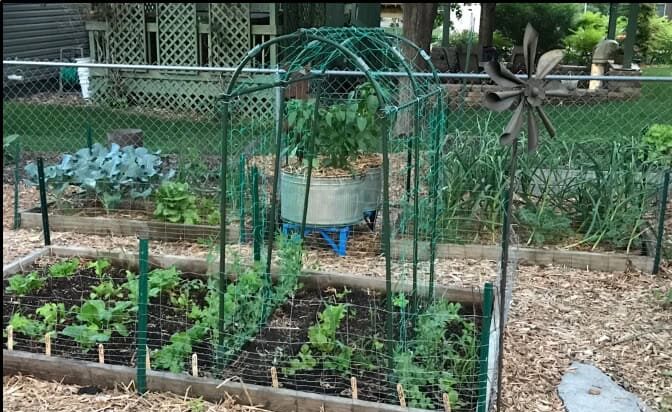
- Compost Bins: Enclosed bins help contain the pile, control moisture, and keep pests out. They’re ideal for small yards or urban settings.
- Compost Tumblers: These rotating containers make it easy to mix materials and speed up the composting process.
- Open Piles: If you have more space, simply create a heap in a corner of your yard. This method is low-cost and easy to manage.
Whichever method you choose, place your compost system in a convenient, well-drained spot with partial shade. This helps regulate temperature and moisture, both critical for effective decomposition.
Step-by-Step Guide to Making Compost at Home
Follow these simple steps to create your own nutrient-rich compost:
- Layer Your Materials: Start with a layer of coarse browns (twigs or straw) at the bottom for aeration. Alternate layers of greens and browns as you add materials.
- Maintain Moisture: Your compost pile should feel like a wrung-out sponge. Water it as needed, especially during dry spells. Too much moisture can cause odors, while too little slows decomposition.
- Turn the Pile: Every few weeks, use a pitchfork or shovel to mix the pile. This introduces oxygen and speeds up the breakdown of materials.
- Monitor Progress: Compost is ready when it’s dark, crumbly, and earthy-smelling. This usually takes two to six months, depending on conditions and materials used.
For best results, chop or shred larger items before adding them to your pile. This increases surface area and helps materials break down faster. If you’re interested in using other organic amendments, you might want to learn more about how to use manure in gardening safely and effectively.
Common Composting Mistakes and How to Avoid Them
Even experienced gardeners can run into issues with their compost. Here are some frequent problems and solutions:
- Bad Odors: Usually caused by too many greens or excess moisture. Add more browns and turn the pile to introduce air.
- Pile Not Heating Up: This often means there’s not enough nitrogen. Add more greens and mix thoroughly.
- Pests: Avoid adding meat, dairy, and oily foods. Use a bin with a secure lid if animals are a concern.
- Compost Too Dry: Sprinkle water and add more greens to restore balance.
Regularly monitoring your compost and making small adjustments will help you achieve the best results. Tools like a soil moisture meter can make it easier to keep conditions just right.
Using Finished Compost in Your Garden
Once your compost is ready, it’s time to put it to use. Spread a layer around your plants, mix it into garden beds, or use it as a top dressing for lawns. Compost improves soil texture, boosts fertility, and encourages healthy root growth. If you’re growing vegetables, incorporating compost can lead to higher yields and more resilient crops. For more strategies on maximizing your harvest, explore these tips for high productivity gardening.
Compost can also be used in potting mixes for container plants or as a mulch to suppress weeds. Its versatility makes it an essential resource for any gardener aiming for sustainability and abundance.
Frequently Asked Questions
What materials should I avoid adding to my compost pile?
Avoid meat, dairy, oily foods, diseased plants, and pet waste. These items can attract pests, create odors, or introduce harmful pathogens. Stick to plant-based kitchen scraps, yard waste, and paper products for best results.
How long does it take to make compost at home?
The process typically takes between two and six months, depending on the size of your pile, the materials used, and how often you turn it. Chopping materials into smaller pieces and maintaining moisture and aeration will speed up decomposition.
Can I compost in a small space or apartment?
Yes, you can use compact compost bins or even indoor worm bins (vermicomposting) to recycle food scraps in limited spaces. Choose a system that fits your lifestyle and available area, and remember to balance greens and browns for odor-free composting.
Final Thoughts on Home Composting
Learning how to make compost at home is a rewarding and sustainable practice that benefits both your garden and the environment. By following these steps, you’ll transform everyday waste into a valuable resource for your plants. Composting is a simple habit that, once established, becomes second nature and yields lasting rewards for your soil and your harvests.
If you’re interested in expanding your gardening skills, you might also enjoy learning about the difference between sprouts and microgreens or discover how to grow sprouts at home for fresh, nutritious greens year-round.