Growing your own vegetables is rewarding, but many gardeners want to get more out of their space. Whether you have a small backyard plot or several raised beds, learning how to increase vegetable yield can help you enjoy a bigger harvest without needing more land. By focusing on soil health, smart planting techniques, and attentive care, you can boost productivity and enjoy more homegrown produce throughout the season.
This guide covers proven strategies for maximizing output from your vegetable garden. You’ll find practical advice on soil preparation, plant selection, watering, and more. If you’re interested in new growing methods, you might also want to explore the difference between sprouts and microgreens for even more ways to add fresh food to your table.
Understanding the Basics of Vegetable Productivity
Before diving into advanced techniques, it’s important to understand the fundamentals that affect how much food your garden produces. The main factors include:
- Soil quality: Healthy, nutrient-rich soil supports strong plant growth and higher yields.
- Sunlight: Most vegetables need at least 6–8 hours of direct sun daily.
- Watering: Consistent moisture is crucial, but overwatering can harm roots.
- Plant selection: Choosing high-yield varieties and crops suited to your climate makes a big difference.
- Spacing: Proper plant spacing prevents overcrowding and encourages better air circulation.
Improving these basics sets the stage for more advanced yield-boosting methods.
Soil Preparation: The Foundation for Bigger Harvests
Rich, well-structured soil is the backbone of a productive garden. To get the most from your vegetable beds:
- Add organic matter: Mix in compost, aged manure, or leaf mold to improve fertility and structure.
- Test your soil: A simple soil test reveals pH and nutrient levels, helping you correct deficiencies.
- Mulch generously: Mulching retains moisture, suppresses weeds, and adds nutrients as it breaks down.
- Rotate crops: Changing plant families each year helps prevent disease and nutrient depletion.
For those interested in soilless options, how to grow vegetables without soil offers innovative alternatives that can also lead to impressive yields.
Choosing the Right Varieties and Succession Planting
Maximizing output often starts with smart plant choices. Look for:
- High-yielding varieties: Some cultivars are bred for productivity, disease resistance, or compact growth.
- Fast-maturing crops: Quick growers like radishes, lettuce, and bush beans allow for multiple harvests per season.
Succession planting is another powerful technique. As soon as one crop finishes, replant the space with a new vegetable. This keeps your beds productive from early spring through late fall. For example, after harvesting early peas, plant carrots or bush beans in the same spot.
Optimizing Plant Spacing and Companion Planting
Efficient use of space is key to getting more food from your garden. Here are some ways to make every inch count:
- Square foot gardening: Plant crops in a grid pattern to maximize density without overcrowding.
- Vertical gardening: Use trellises or cages for climbing vegetables like peas, beans, and cucumbers.
- Interplanting: Combine fast and slow growers (like radishes with carrots) to fill gaps and reduce weeds.
- Companion planting: Some plants, such as basil with tomatoes, can boost each other’s growth and deter pests.
For those new to gardening, a beginner’s guide to creating a vegetable garden offers more detailed tips on layout and planning.
Watering Strategies for Maximum Output
Consistent moisture is essential for healthy, productive plants. Here are some best practices:
- Water deeply and less often: Deep watering encourages roots to grow down, making plants more resilient.
- Use drip irrigation or soaker hoses: These methods deliver water directly to the soil, reducing evaporation and disease risk.
- Monitor soil moisture: Use a moisture meter to avoid both drought stress and overwatering.
- Mulch to retain moisture: A thick layer of organic mulch helps keep soil damp and cool.
Paying attention to your garden’s watering needs can make a significant difference in yield, especially during hot or dry periods.
Pest and Disease Management for Higher Yields
Pests and diseases can quickly reduce the amount of food your garden produces. To keep problems in check:
- Inspect plants regularly: Catching issues early makes them easier to manage.
- Encourage beneficial insects: Ladybugs, lacewings, and predatory beetles help control pests naturally.
- Use row covers: Lightweight fabric can protect crops from insects and some diseases.
- Practice crop rotation: Moving crops each year breaks pest and disease cycles.
- Remove diseased plants promptly: This prevents problems from spreading to healthy crops.
Healthy plants are more productive, so regular monitoring and preventive care are essential for a bountiful harvest.
Advanced Methods to Boost Vegetable Output
Once you’ve mastered the basics, consider these advanced techniques for even greater productivity:
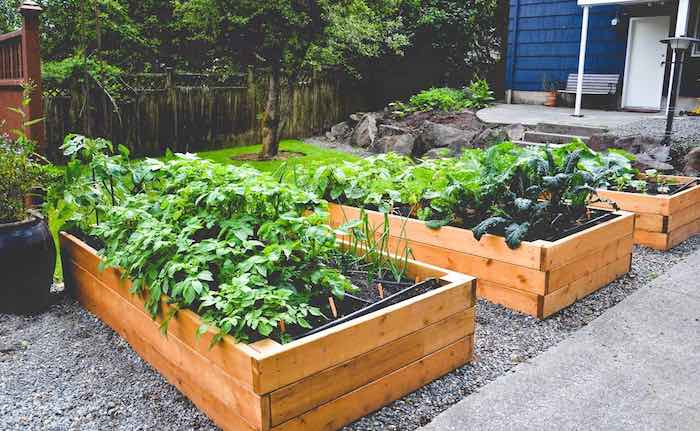
- Raised beds: These warm up faster in spring, drain well, and allow for intensive planting. Learn more about the benefits of raised beds by exploring resources on hydroponic gardening for beginners and other innovative systems.
- Season extension: Use cold frames, row covers, or hoop houses to start planting earlier and harvest later into the fall.
- Fertilize wisely: Supplement with organic fertilizers based on soil test results to avoid nutrient imbalances.
- Try intercropping: Grow two or more compatible crops together to maximize space and reduce pest pressure.
Experimenting with these methods can help you discover what works best in your unique garden environment.
Harvesting Techniques for Continuous Production
How and when you harvest can impact ongoing productivity. Here are some tips:
- Pick regularly: Many vegetables, such as beans, zucchini, and cucumbers, produce more when harvested frequently.
- Use the “cut and come again” method: For leafy greens, cut outer leaves and allow the center to regrow.
- Don’t let crops go to seed: Bolting can signal plants to stop producing, so harvest before this stage.
Proper harvesting ensures your plants keep producing for as long as possible.
Frequently Asked Questions
What are the easiest ways to get more vegetables from a small garden?
Focus on soil health, choose high-yield varieties, use vertical supports, and practice succession planting. These steps help you make the most of limited space and resources.
How often should I fertilize my vegetable garden for better yields?
It’s best to fertilize based on soil test recommendations. Generally, adding compost at planting and supplementing with organic fertilizer every 4–6 weeks during the growing season works well for most crops.
Can I increase yield without using chemical fertilizers?
Yes, organic methods such as adding compost, rotating crops, mulching, and using natural pest controls can all help boost productivity without synthetic chemicals.
Are there alternative ways to grow more food indoors?
Absolutely. You can try how to grow sprouts at home or experiment with microgreens and hydroponic systems to enjoy fresh produce indoors year-round.
By applying these practical strategies, you can enjoy a more abundant vegetable harvest season after season. Whether you’re a beginner or an experienced gardener, small changes can lead to big improvements in your garden’s productivity.