Gardening can be incredibly rewarding, whether you have a sprawling backyard or just a small balcony. With the right approach, anyone can maximize their harvests and enjoy fresh produce, flowers, or herbs throughout the growing season. This guide offers tips for high productivity gardening tailored to all types of spaces, helping you make the most of what you have—no matter the size or location.
From choosing the right crops to optimizing soil and water management, these strategies are designed to boost yields and simplify your gardening routine. If you’re interested in exploring alternative growing methods, you might also want to learn about the difference between sprouts and microgreens for even more ways to enjoy homegrown food.
Choosing the Right Location and Layout
One of the most important steps in achieving a productive garden is selecting the best possible spot. Most edible plants need at least six hours of sunlight per day. Observe your space throughout the day to identify the sunniest areas. If you’re working with limited outdoor space, consider vertical gardening or container setups to maximize growing area.
- Sunlight: Prioritize locations that receive ample direct light.
- Accessibility: Make sure you can easily reach all parts of your garden for watering, harvesting, and maintenance.
- Airflow: Good air circulation helps prevent disease and supports healthy growth.
Raised beds and containers are excellent for small spaces, patios, or balconies. They allow you to control soil quality and drainage, and can be moved or rearranged as needed. For those interested in soilless options, check out this resource on how to grow vegetables without soil for innovative methods like hydroponics and aeroponics.
Soil Preparation and Fertility Management
Healthy, nutrient-rich soil is the foundation of any successful garden. Whether you’re planting in the ground, raised beds, or containers, take time to improve your soil before sowing seeds or transplanting seedlings.
- Add organic matter: Compost, aged manure, or worm castings boost fertility and improve soil structure.
- Test your soil: Knowing your soil’s pH and nutrient levels helps you make informed amendments.
- Mulch: Applying a layer of mulch conserves moisture, suppresses weeds, and adds nutrients as it breaks down.
For container gardens, use a high-quality potting mix designed for vegetables or herbs. Regularly check soil moisture and adjust watering as needed—overwatering is a common issue in pots and raised beds.
Smart Plant Selection for Maximum Yields
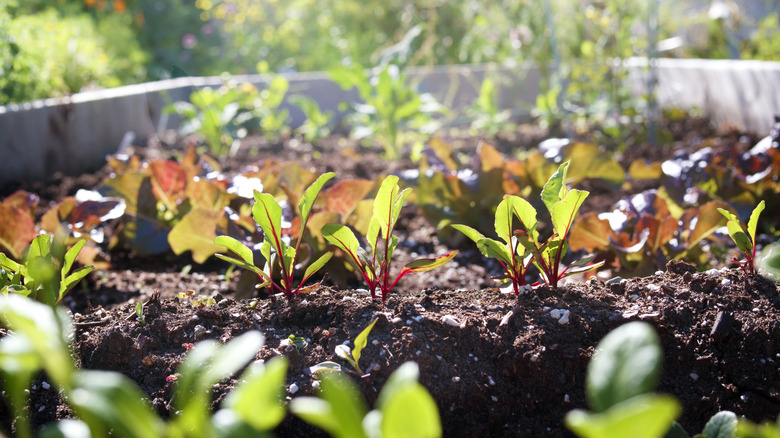
Choosing the right crops is key to getting the most from your space. Focus on varieties that are well-suited to your climate and growing conditions. For small gardens or containers, opt for compact or dwarf cultivars. Fast-growing crops and those that can be harvested multiple times (like leafy greens) offer especially high returns.
- Succession planting: Stagger plantings of quick-maturing crops to ensure a continuous harvest.
- Interplanting: Combine compatible plants to make efficient use of space and resources.
- Grow up, not out: Use trellises or vertical supports for vining crops like peas, beans, and cucumbers.
If you’re new to gardening, you might find this list of easy crops for beginners and how to grow them helpful for getting started with high-yield options.
Efficient Watering and Moisture Control
Proper watering is crucial for productive gardens. Both overwatering and underwatering can stress plants and reduce yields. The goal is to keep soil consistently moist but not soggy. Drip irrigation, soaker hoses, or self-watering containers can help maintain even moisture levels and reduce water waste.
- Water early: Morning watering reduces evaporation and helps prevent disease.
- Check soil moisture: Use your finger or a soil moisture meter to gauge when to water.
- Mulch: As mentioned earlier, mulch helps retain moisture and keeps roots cool.
For more on advanced watering techniques and soilless gardening, see the guide on hydroponic gardening for beginners.
Crop Rotation and Pest Management
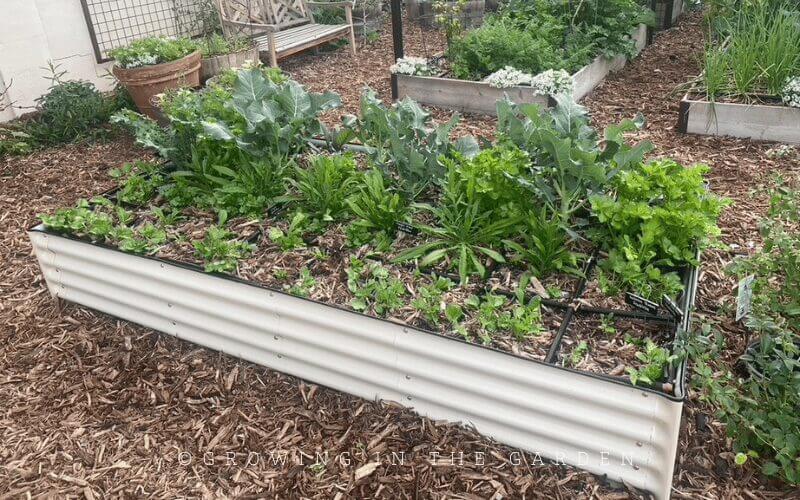
To keep your garden productive year after year, practice crop rotation. Changing the location of plant families each season helps prevent soil-borne diseases and pest build-up. Integrated pest management (IPM) combines cultural, biological, and mechanical controls to minimize chemical use.
- Rotate crops: Avoid planting the same family in the same spot two years in a row.
- Encourage beneficial insects: Plant flowers like marigolds or alyssum to attract pollinators and natural predators.
- Monitor regularly: Check plants for signs of pests or disease and act quickly to address problems.
For those interested in advanced growing systems, aeroponic gardening basics can offer a soil-free alternative that reduces many common pest and disease issues.
Harvesting and Replanting for Continuous Production
Timely harvesting is essential for keeping plants productive. Many crops, such as lettuce, spinach, and herbs, can be harvested multiple times if picked regularly. As soon as one crop finishes, replant the space with a new round of seeds or seedlings to maximize output throughout the season.
- Cut-and-come-again: Harvest leaves or stems above the growing point to allow regrowth.
- Succession sowing: Plant new crops every few weeks for a steady supply.
- Plan for fall: Start cool-season crops in late summer for a second harvest before winter.
Microgreens are another excellent way to keep fresh greens coming, even indoors. For a step-by-step guide, see how to grow microgreens at home.
Frequently Asked Questions
What are the best crops for small-space or container gardens?
Leafy greens (lettuce, spinach, arugula), herbs (basil, parsley, cilantro), radishes, bush beans, and cherry tomatoes are all excellent choices for limited spaces. Many of these can be harvested multiple times for ongoing yields.
How can I increase my garden’s productivity without using chemicals?
Focus on building healthy soil with organic matter, rotating crops, encouraging beneficial insects, and using physical barriers like row covers. Mulching and regular monitoring also help prevent pest and disease problems naturally.
Is it possible to garden productively indoors?
Yes! With the right lighting and containers, you can grow microgreens, herbs, and even some vegetables indoors. Hydroponic and aeroponic systems are especially effective for maximizing indoor yields.