Aeroponic gardening basics offer an innovative approach to growing food by suspending plant roots in the air and delivering nutrients through a fine mist. This method eliminates the need for soil, making it ideal for those with limited space or poor ground conditions. With the right setup and understanding, anyone can cultivate fresh produce indoors or outdoors, regardless of their gardening experience.
Compared to traditional gardening, aeroponics uses less water, reduces the risk of soil-borne diseases, and allows for faster plant growth. As urban gardening and sustainable food production become more popular, many beginners are exploring this method for its efficiency and high yields. If you’re already familiar with hydroponics, you’ll find similarities, but aeroponics takes soilless cultivation a step further by maximizing oxygen exposure to the roots.
For those interested in other modern gardening methods, you might want to explore hydroponic gardening for beginners to see how these two soilless systems compare and complement each other.
Understanding How Aeroponics Works
At its core, aeroponics is a system where plant roots are suspended in a closed or semi-closed environment and misted with a nutrient-rich solution. This technique provides roots with maximum oxygen, which is essential for healthy growth and nutrient uptake. The main components of an aeroponic system include:
- Root chamber: Holds the plant roots and keeps them in a dark, humid environment.
- Misting system: Sprays a fine mist of water and nutrients directly onto the roots at regular intervals.
- Reservoir: Stores the nutrient solution and supplies it to the misting system.
- Pump and timer: Controls the delivery of the mist to ensure roots remain moist but not waterlogged.
- Support structure: Holds plants in place above the root chamber.
This approach is highly efficient, as it uses up to 90% less water than traditional soil gardening and allows for precise control over nutrients and environmental conditions.
Key Advantages of Aeroponic Systems
There are several reasons why gardeners are turning to aeroponics for growing vegetables, herbs, and even some fruits:
- Water efficiency: The closed-loop system recycles water, making it ideal for areas with limited resources.
- Faster growth rates: Increased oxygen at the roots accelerates plant development and can result in higher yields.
- Space-saving design: Vertical towers or stacked systems allow for more plants in less space, perfect for urban environments.
- Reduced disease risk: No soil means fewer pests and diseases, leading to healthier crops.
- Cleaner produce: Since roots are never in contact with soil, harvesting is easier and produce stays cleaner.
These benefits make aeroponics an attractive option for both hobbyists and commercial growers looking to maximize productivity and sustainability.
Setting Up Your First Aeroponic Garden
Getting started with an aeroponic system doesn’t have to be complicated. Here are the basic steps to launch your own soilless garden:
- Choose a system: Decide between a DIY setup or a commercial kit. Beginners often find pre-built towers or countertop units easier to manage.
- Select plants: Leafy greens, herbs, strawberries, and some tomatoes thrive in aeroponic environments. Avoid root crops like carrots or potatoes.
- Assemble the structure: Set up the root chamber, misting system, and support for your plants. Ensure all parts are clean to prevent contamination.
- Prepare the nutrient solution: Use a balanced, water-soluble fertilizer designed for hydroponic or aeroponic use. Follow manufacturer instructions for mixing.
- Monitor and maintain: Check water levels, nutrient concentration, and misting intervals regularly. Keep an eye out for clogged nozzles or signs of plant stress.
For those who enjoy planning and maximizing their garden’s output, reviewing a guide on vegetable garden layouts can help you adapt traditional planning principles to your aeroponic setup.
Essential Maintenance Tips for Healthy Growth
Consistent care is key to success in soilless gardening. Here are some practical tips to keep your plants thriving:
- Cleanliness: Regularly sanitize all parts of your system to prevent algae, mold, and bacterial buildup.
- Water quality: Use filtered or distilled water to avoid mineral deposits and ensure nutrient absorption.
- Nutrient balance: Monitor pH and electrical conductivity (EC) to maintain optimal nutrient levels. Most vegetables prefer a pH between 5.5 and 6.5.
- Lighting: Provide adequate light, especially for indoor gardens. LED grow lights are energy-efficient and effective for most crops.
- Air circulation: Good airflow prevents humidity buildup and helps plants transpire properly.
Regular observation will help you catch and resolve issues early, ensuring a healthy and productive garden.
Common Challenges and How to Overcome Them
While aeroponics offers many advantages, beginners may encounter some challenges. Here’s how to address the most common issues:
- Clogged misting nozzles: Use filtered water and clean nozzles regularly to prevent blockages.
- Power outages: Aeroponic systems rely on electricity for pumps and timers. Consider a backup power source or battery to protect your plants during outages.
- Nutrient imbalances: Test your solution frequently and adjust as needed. Over- or under-fertilizing can quickly impact plant health.
- Humidity control: Excess humidity can lead to fungal issues. Ensure your growing area is well-ventilated.
With a little preparation and regular maintenance, most problems can be prevented or resolved quickly.
Choosing What to Grow in an Aeroponic System
Not all plants are suited for this method, but many popular crops thrive in a misted environment. Consider starting with:
- Leafy greens: Lettuce, spinach, kale, and arugula grow quickly and are easy to manage.
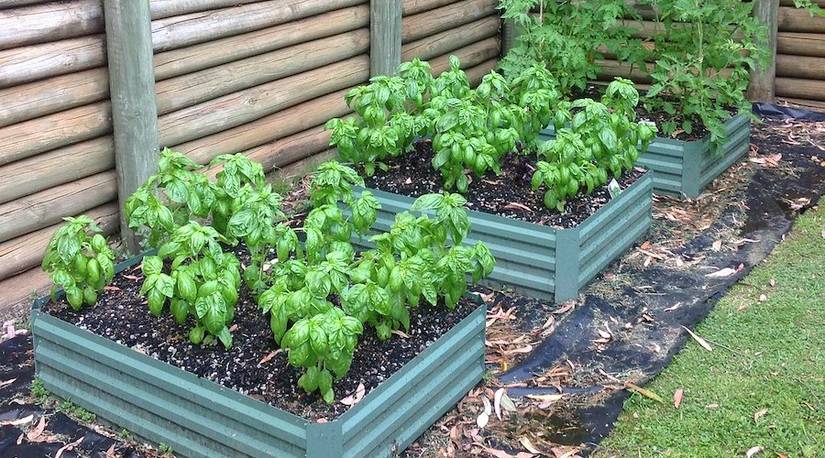
- Herbs: Basil, cilantro, parsley, mint, and oregano do well in aeroponic setups.
- Fruiting plants: Strawberries and cherry tomatoes are popular choices for more advanced gardeners.
For inspiration on maximizing your space, check out these garden design ideas for beginners and adapt them to your vertical or modular aeroponic system.
Integrating Aeroponics Into Your Gardening Routine
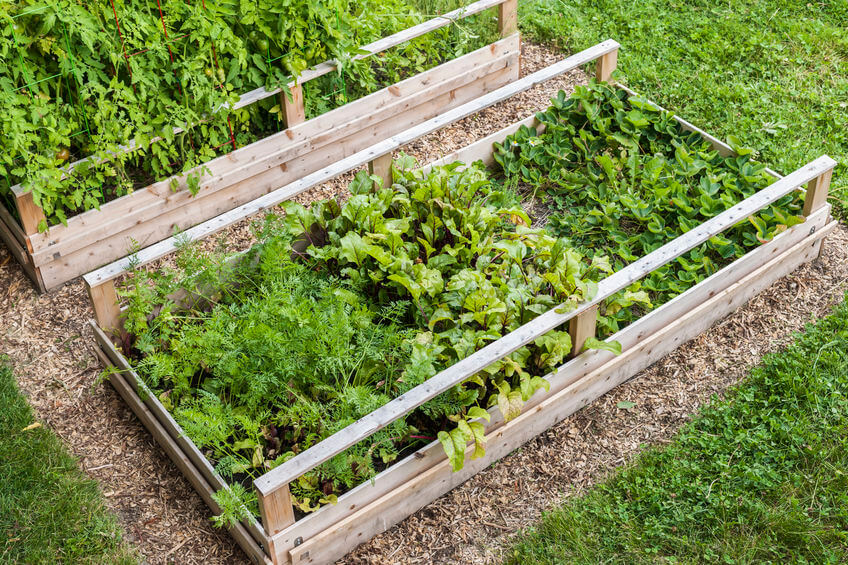
Whether you’re a seasoned gardener or just starting out, adding aeroponics to your routine can diversify your harvest and make year-round growing possible. Many gardeners combine traditional beds, raised planters, and soilless systems for a more resilient and productive garden.
If you’re new to vegetable cultivation, the vegetable gardening for beginners guide from the Old Farmer’s Almanac offers foundational tips that can be adapted for soilless growing.
For those who like to stay organized, using a seasonal gardening calendar can help you plan plantings and harvests, even when using advanced systems like aeroponics.
Frequently Asked Questions
What is the difference between aeroponics and hydroponics?
Both systems are soilless, but hydroponics submerges roots in a nutrient solution, while aeroponics suspends roots in the air and mists them. This allows for greater oxygen exposure and often faster growth in aeroponic setups.
How often should the roots be misted in an aeroponic system?
Most systems mist roots every few minutes, typically for 5–10 seconds every 3–5 minutes. The exact timing depends on plant type, humidity, and system design. Consistent misting is crucial to prevent roots from drying out.
Can I grow root vegetables with aeroponics?
Root crops like carrots and potatoes are not well-suited for aeroponic systems due to their growth habits. Focus on leafy greens, herbs, and small fruiting plants for best results.
Is aeroponic gardening expensive to start?
Initial costs can be higher than traditional gardening due to equipment, but savings on water, fertilizer, and faster harvests often balance the investment over time. DIY options can help reduce startup expenses.
Do I need special nutrients for aeroponics?
Yes, use water-soluble fertilizers formulated for hydroponic or aeroponic use. These provide the essential minerals plants need without soil.
Conclusion
Learning the essentials of aeroponic gardening opens up new possibilities for growing fresh food efficiently and sustainably. With careful setup, regular maintenance, and a willingness to experiment, you can enjoy bountiful harvests even in small or unconventional spaces. As you gain experience, consider integrating other gardening methods and resources, such as the square foot gardening guide, to create a diverse and productive home garden.