Growing a thriving vegetable garden depends on more than just sunlight and water. Knowing when to fertilize vegetable plants can make a significant difference in the health and productivity of your crops. Fertilizer timing affects nutrient uptake, root development, and ultimately, the quality and quantity of your harvest. Whether you are a beginner or an experienced gardener, understanding the best moments to feed your vegetables helps you avoid common mistakes and maximize your garden’s potential.
Proper fertilization is not just about what you use, but also how and when you apply it. Each stage of a plant’s life requires different nutrients, and applying fertilizer at the right time ensures your vegetables get exactly what they need. For those looking to deepen their knowledge of garden care, you might also find value in learning how to fertilize plants properly for healthy growth.
Understanding the Growth Stages of Vegetables
To determine the ideal fertilization schedule, it’s essential to recognize the main growth phases of vegetable crops. Each stage has unique nutrient requirements:
- Seedling Stage: Plants are just emerging and establishing roots. Over-fertilizing at this point can damage tender roots.
- Vegetative Growth: Leaves and stems develop rapidly. Nitrogen is especially important during this period for lush, green growth.
- Flowering and Fruiting: Plants shift energy to producing flowers and fruit. Phosphorus and potassium become more critical for strong blooms and healthy produce.
- Harvest and Post-Harvest: After harvesting, some perennials or repeat-cropping vegetables benefit from a final feeding to recover and prepare for the next cycle.
By matching fertilizer application to these stages, you support robust development and avoid nutrient waste or plant stress.
Key Signs Your Vegetables Need Fertilizer
It’s not always easy to know exactly when to fertilize vegetable plants. However, your garden often gives clear signals when nutrients are lacking:
- Yellowing leaves, especially older foliage
- Stunted growth or poor vigor
- Pale or discolored new leaves
- Poor flowering or fruit set
Regularly observing your plants and soil can help you adjust your fertilization schedule. For a more detailed look at maximizing your garden’s output, review these tips for high productivity gardening in any space.
Best Times to Feed Your Vegetable Garden
Timing is crucial for effective fertilization. Here’s a breakdown of the most effective moments to apply nutrients throughout the growing season:
Before Planting: Preparing the Soil
Start by enriching your soil before sowing seeds or transplanting seedlings. Mixing in compost or a balanced organic fertilizer ensures a nutrient-rich foundation. This pre-planting boost supports early root growth and helps young plants establish quickly.
After Seedlings Establish
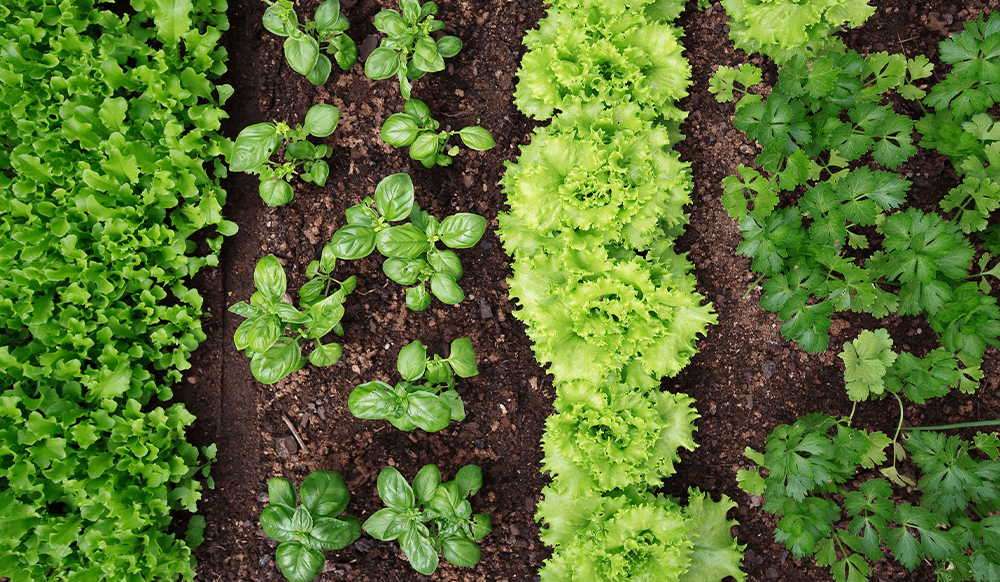
Once seedlings develop their first set of true leaves and are actively growing, it’s time for the first light feeding. Use a diluted, balanced fertilizer to avoid burning delicate roots. This stage is especially important for fast-growing crops like lettuce, spinach, and radishes.
During Rapid Growth and Pre-Flowering
As your vegetables enter their main growth phase, they need more nutrients to support leaf and stem development. Apply a nitrogen-rich fertilizer every 3–4 weeks, depending on the crop and soil fertility. For leafy greens, this stage is particularly critical for producing lush harvests.
At Flowering and Fruit Set
When vegetables begin to flower and set fruit, switch to a fertilizer higher in phosphorus and potassium. These nutrients encourage strong blooms and healthy fruit development. Tomatoes, peppers, and squash especially benefit from targeted feeding at this stage.
After Heavy Harvests
For crops that produce over an extended period, such as beans or cucumbers, a light feeding after major harvests can help maintain productivity. This replenishes nutrients lost from repeated picking and supports continued growth.
How to Apply Fertilizer for Maximum Benefit
Applying fertilizer correctly is just as important as timing. Here are some practical tips:
- Follow package instructions for application rates to prevent over-fertilizing.
- Water the soil before and after applying granular fertilizers to help nutrients reach the roots.
- For liquid feeds, apply directly to the soil around the base of plants, avoiding leaves to prevent burn.
- Mulch after fertilizing to retain moisture and reduce nutrient loss.
For a step-by-step guide on effective techniques, see how to fertilize plants properly.
Common Mistakes to Avoid When Feeding Vegetables
Even experienced gardeners can make errors when it comes to fertilization. Avoid these pitfalls:
- Over-fertilizing: Too much fertilizer can burn roots, stunt growth, and pollute groundwater.
- Under-fertilizing: Skipping feedings or using too little can lead to weak plants and poor yields.
- Wrong timing: Applying fertilizer at the wrong stage may not benefit the plant and can even harm it.
- Ignoring soil health: Fertilizer is not a substitute for good soil. Regularly amend with compost and organic matter.
Monitoring soil moisture and nutrient levels can help you avoid these issues. Tools like a soil moisture meter can be especially helpful for precise care.
Choosing the Right Fertilizer for Your Crops
The type of fertilizer you use matters. Here’s a quick overview:
- Organic fertilizers: Compost, manure, and fish emulsion provide slow-release nutrients and improve soil structure.
- Synthetic fertilizers: Offer quick results and precise nutrient ratios but can build up salts if overused.
- Specialty blends: Some fertilizers are formulated for specific crops, such as tomato or root vegetable blends.
Always match the fertilizer type to your plant’s needs and your gardening philosophy. For more ideas on boosting your harvest, explore how to increase vegetable yield with practical tips.
Additional Resources for Vegetable Gardeners
If you’re looking to expand your gardening knowledge, consider these resources:
- Comprehensive beginner’s guide to starting a vegetable garden
- Difference between sprouts and microgreens for those interested in quick kitchen gardening projects
- How to grow sprouts at home for fresh greens year-round
Frequently Asked Questions
How often should I fertilize my vegetable garden?
Most vegetables benefit from an initial feeding at planting, followed by regular applications every 3–4 weeks during the growing season. However, frequency depends on your soil quality, crop type, and the fertilizer used. Always monitor plant health and adjust as needed.
Can I use the same fertilizer for all vegetables?
While a balanced fertilizer works for many crops, some vegetables have specific needs. Leafy greens prefer more nitrogen, while fruiting plants like tomatoes and peppers require extra phosphorus and potassium during flowering and fruiting. Check the label and adjust based on your crops.
What’s the best time of day to fertilize vegetable plants?
Early morning or late afternoon is ideal. Avoid fertilizing during the heat of the day to prevent plant stress and nutrient loss through evaporation. Water the soil before and after applying fertilizer for best results.