Adding manure to your garden is one of the most effective ways to boost soil fertility and encourage healthy plant growth. When used correctly, manure delivers a rich supply of nutrients, improves soil structure, and supports beneficial microbial activity. However, it’s important to understand the best practices for using manure safely to avoid issues like plant damage, unpleasant odors, or contamination.
This guide covers practical steps for incorporating manure into your gardening routine, including choosing the right type, safe handling, and application methods. Whether you’re new to organic gardening or looking to refine your approach, you’ll find actionable advice here. For more on optimizing plant nutrition, check out how to fertilize plants properly for healthy growth.
Benefits of Incorporating Manure Into Your Garden
Manure is a time-tested soil amendment that offers several advantages for gardeners:
- Boosts soil fertility by providing essential nutrients like nitrogen, phosphorus, and potassium.
- Enhances soil structure, improving aeration and water retention.
- Encourages beneficial soil microbes, which help break down organic matter and release nutrients.
- Supports long-term soil health, reducing the need for synthetic fertilizers.
When managed properly, manure can be a sustainable and cost-effective way to support productive gardens. However, knowing how to use manure in gardening safely is crucial for reaping these benefits without introducing risks.
Types of Manure and Their Uses
Not all manure is created equal. The type you choose can affect your garden’s nutrient balance and safety. Here are some common options:
- Cow manure: Mild and widely available, suitable for most garden beds.
- Chicken manure: High in nitrogen; best composted or aged before use to prevent burning plants.
- Horse manure: Often contains weed seeds unless well-composted; good for enriching soil.
- Sheep and goat manure: Drier and less smelly, breaks down quickly.
- Rabbit manure: Can be applied directly in small amounts, as it’s less likely to burn plants.
Always avoid using manure from meat-eating animals (like dogs or cats) in vegetable gardens, as it can carry harmful pathogens.
Composting Manure for Safe Application
Applying raw manure directly to garden beds can introduce pathogens and burn sensitive plants. Composting is the safest way to prepare manure for use:
- Composting kills pathogens and weed seeds through sustained high temperatures.
- It stabilizes nutrients, making them more available to plants and less likely to leach away.
- Composted manure is easier to handle and less odorous.
To compost manure, mix it with carbon-rich materials like straw, leaves, or wood shavings. Maintain a balanced pile, keep it moist, and turn it regularly to ensure even decomposition. Most manure composts fully in 6–12 months, depending on conditions.
Safe Ways to Apply Manure in the Garden
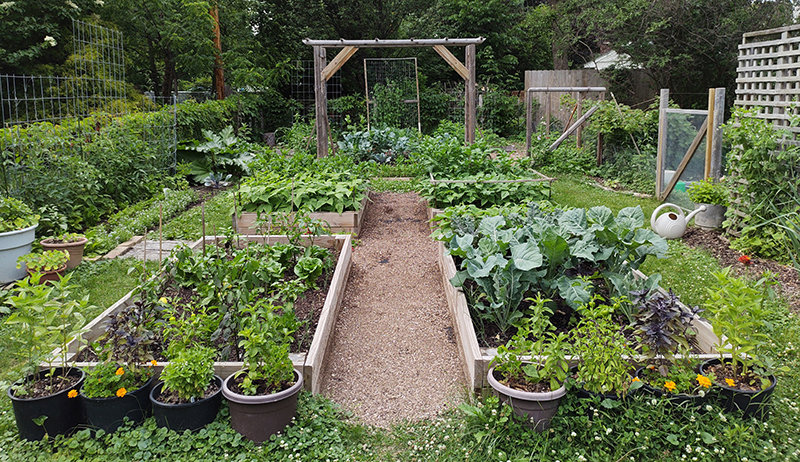
Proper application is key to maximizing the benefits of manure while minimizing risks. Here’s how to use manure in gardening safely and effectively:
- Use only aged or composted manure for edible crops. Fresh manure can harbor pathogens like E. coli and Salmonella.
- Apply manure in the off-season (fall or early spring), giving time for decomposition before planting.
- Incorporate manure into the soil rather than leaving it on the surface. This reduces odor, nutrient runoff, and contact with edible plant parts.
- Keep manure away from plant stems and leaves to prevent burning and disease.
- Follow recommended rates: Generally, 40–50 pounds of composted manure per 100 square feet is sufficient. Over-application can harm plants and the environment.
For raised beds or container gardens, mix composted manure thoroughly with existing soil before planting. If you’re starting from scratch, see this step-by-step guide to starting a veggie garden for foundational tips.
Precautions and Best Practices for Manure Use
While manure is a valuable resource, it’s important to follow these safety guidelines:
- Wash hands and tools thoroughly after handling manure.
- Do not apply manure close to harvest—wait at least 90 days before harvesting crops that don’t touch the soil, and 120 days for root crops or leafy greens.
- Store manure away from water sources to prevent contamination.
- Monitor soil nutrient levels to avoid excessive buildup of salts or nutrients.
For those interested in maximizing garden productivity, see these tips for high productivity gardening in any space.

Common Mistakes When Using Manure in the Garden
Even experienced gardeners can make errors when working with manure. Here are some pitfalls to avoid:
- Applying fresh manure to edible crops, which increases the risk of contamination.
- Overusing manure, leading to nutrient imbalances and salt buildup.
- Ignoring composting—raw manure is much riskier than aged or composted material.
- Not mixing manure into the soil, which can cause nutrient runoff and odor issues.
- Using manure from unsafe sources, such as pets or animals treated with certain medications.
By following best practices, you can avoid these issues and make the most of manure’s benefits in your garden. For more guidance on boosting yields, see how to increase vegetable yield with practical tips.
Frequently Asked Questions
Can I Use Fresh Manure in My Vegetable Garden?
It’s not recommended to use fresh manure on edible crops, as it can contain harmful bacteria and may burn plants due to high ammonia content. Always compost manure thoroughly before applying it to vegetable beds.
How Much Manure Should I Add to My Garden?
For most gardens, 40–50 pounds of composted manure per 100 square feet is sufficient. Adjust amounts based on your soil’s needs and the type of plants you’re growing. Over-application can lead to nutrient imbalances.
Is Manure Safe for Organic Gardening?
Yes, manure is a staple in organic gardening when used correctly. Ensure it’s well-composted and sourced from animals not treated with prohibited substances. Follow safety guidelines to protect your crops and health.
What’s the Best Way to Store Manure Before Use?
Store manure in a covered, well-ventilated area away from water sources. Composting piles should be kept moist but not soggy, and turned regularly to encourage decomposition and reduce odors.
Conclusion
Manure is a powerful tool for gardeners seeking to enrich their soil naturally and sustainably. By understanding the different types, composting methods, and safe application techniques, you can harness its benefits while minimizing risks. Remember to follow safety guidelines, monitor your soil, and use manure as part of a balanced garden management plan. For more inspiration on growing your own food, explore how to grow sprouts at home and learn about the difference between sprouts and microgreens to diversify your harvests.