Designing a productive vegetable plot starts with careful planning. Whether you’re a beginner or looking to improve your harvest, understanding how to plan a vegetable garden layout can make a significant difference in both yield and ease of maintenance. A well-thought-out arrangement helps maximize sunlight, improves airflow, and makes watering and harvesting more efficient. This guide covers the essential steps and strategies to help you create a thriving, high-yield garden space tailored to your needs and environment.
Before diving into the details, it’s helpful to explore proven methods and inspiration. For those just getting started, the garden design ideas for beginners article offers practical tips to help you visualize and organize your space effectively.
Assessing Your Space and Sunlight
Start by evaluating your available area. Take note of the total square footage, the shape of your plot, and any existing features like trees, fences, or buildings that might cast shade. Most vegetables require at least six hours of direct sunlight daily, so observe your yard throughout the day to identify the sunniest spots. If your space is limited or irregular, raised beds or container gardening can be excellent solutions for maximizing productivity in small or awkward areas.
Consider the proximity to water sources and ease of access for maintenance. Locating your garden near a hose or rain barrel makes watering less of a chore. If you’re interested in structured, space-saving methods, the square foot gardening guide provides a detailed approach to organizing crops efficiently in compact spaces.
Choosing the Right Vegetables for Your Layout
To achieve the best results, select crops that are well-suited to your climate, soil, and available space. Research which vegetables thrive in your region and consider your family’s preferences. Group plants with similar needs together—such as sun, water, and soil type—to simplify care and boost yield.
Some vegetables, like tomatoes and peppers, need more room to grow, while others, such as lettuce and radishes, can be tucked into smaller spaces or used as fillers between larger plants. Companion planting—pairing crops that benefit each other—can also help deter pests and improve growth. For example, planting basil near tomatoes is a classic combination that supports both plants.
Designing Rows, Beds, and Pathways
When organizing your garden, consider different layout styles:
- Traditional rows: Best for large gardens, making it easy to walk between crops and use tools.
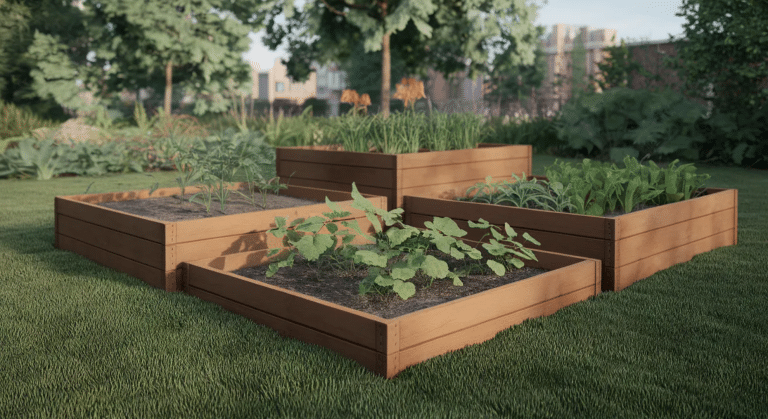
- Raised beds: Offer excellent drainage, warmer soil, and better weed control. They’re ideal for maximizing productivity and accessibility.
- Square foot gardening: Divides the garden into small sections, allowing for intensive planting and easy crop rotation.
Leave enough space between rows or beds for comfortable movement and maintenance. Paths should be wide enough for a wheelbarrow if needed. Mulch walkways to suppress weeds and retain moisture.
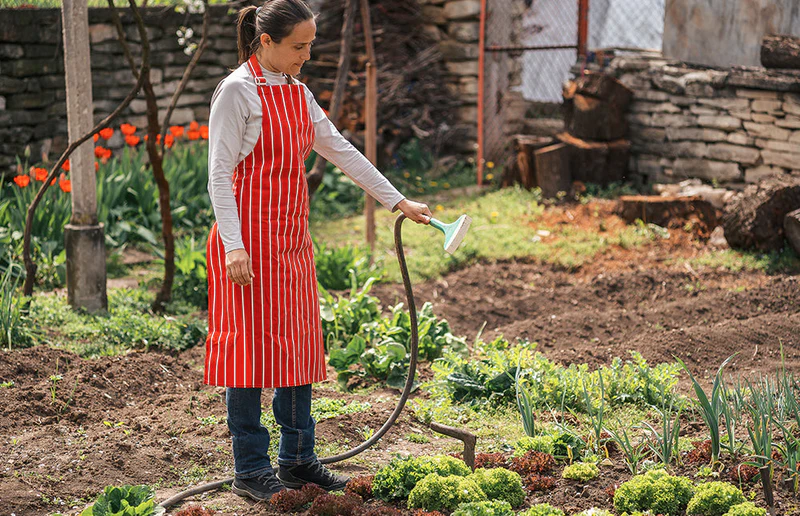
Maximizing Yield with Smart Plant Placement
To get the most from your garden, use vertical space and succession planting. Trellises and cages allow vining crops like cucumbers, peas, and beans to grow upward, freeing up ground space for other vegetables. Plant tall crops on the north or east side of your plot to avoid shading shorter plants.
Succession planting—sowing new crops as soon as space becomes available—ensures a continuous harvest throughout the season. For example, after harvesting early radishes or spinach, you can plant beans or carrots in the same spot. Interplanting fast-growing crops with slower ones also helps fill gaps and reduce bare soil, which can attract weeds.
Soil Preparation and Water Management
Healthy soil is the foundation of a productive garden. Test your soil to determine its pH and nutrient levels, then amend as needed with compost or organic matter. Loosen the soil to at least 8-12 inches deep for root crops and ensure good drainage to prevent waterlogging.
Install drip irrigation or soaker hoses to deliver water directly to plant roots, reducing evaporation and disease risk. Mulch around plants to retain moisture, suppress weeds, and regulate soil temperature. Monitoring soil moisture with a meter helps avoid over- or under-watering, which can impact yield and plant health.
Crop Rotation and Seasonal Planning
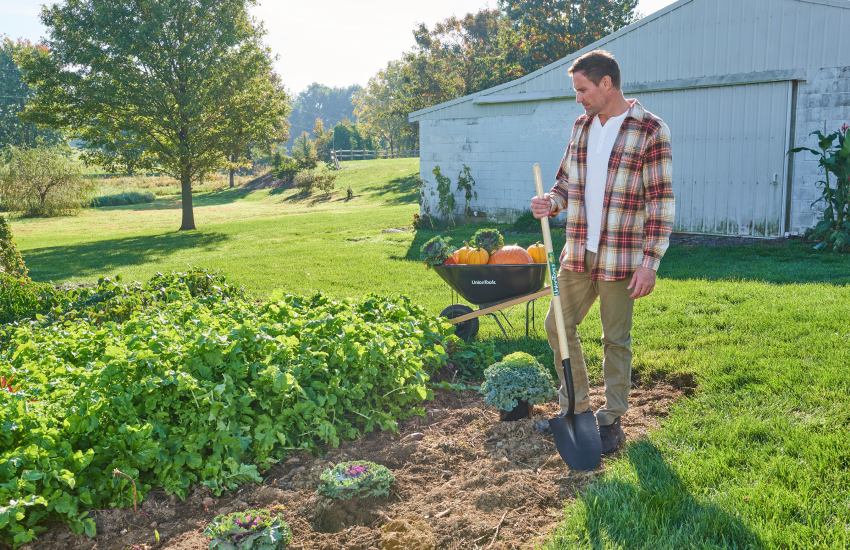
Rotating crops each year helps prevent soil-borne diseases and nutrient depletion. Avoid planting the same family of vegetables (such as tomatoes, peppers, and eggplants) in the same spot two years in a row. Instead, alternate with unrelated crops like beans or leafy greens.
Plan your planting schedule based on your local climate and frost dates. Using a seasonal gardening calendar can help you time sowing, transplanting, and harvesting for optimal productivity. Staggering plantings of the same crop by a few weeks extends the harvest window and reduces the risk of losing everything to pests or weather.
Tools and Maintenance for a Productive Garden
Having the right tools makes garden upkeep more efficient. Basic equipment like a trowel, hoe, watering can, and pruners are essential for planting, weeding, and harvesting. For those on a budget, the essential gardening tools for beginners guide highlights affordable options that cover all the basics.
Regular maintenance tasks—such as weeding, thinning seedlings, and checking for pests—keep your garden healthy and productive. Mulching and using row covers can further protect your crops from weeds and temperature fluctuations.
Common Mistakes to Avoid
- Overcrowding plants, which limits airflow and increases disease risk.
- Ignoring sunlight requirements—shade-tolerant crops should not be mixed with sun-loving varieties.
- Neglecting soil health by skipping amendments or failing to rotate crops.
- Poor water management, leading to stressed or diseased plants.
- Not planning for succession or seasonal changes, resulting in bare patches and lower yields.
Additional Resources and Inspiration
For more in-depth advice on starting a new plot, check out this comprehensive guide to starting a small vegetable garden. Drawing on expert tips and real-world experience can help you avoid common pitfalls and achieve a more successful harvest.
Frequently Asked Questions
What is the best layout for a small vegetable garden?
For limited spaces, raised beds or square foot gardening are highly effective. These methods allow for intensive planting, easy access, and efficient use of soil and water. Grouping plants by height and sunlight needs also helps maximize productivity.
How do I know which vegetables to plant together?
Companion planting charts can guide you in pairing crops that support each other’s growth and deter pests. For example, planting carrots with onions can help repel carrot flies, while beans and corn benefit from each other’s growth habits.
How often should I rotate crops in my garden?
It’s best to rotate plant families every year, especially for crops prone to soil-borne diseases. Keep a simple map or journal of your garden each season to track where each crop was planted and plan your rotations accordingly.