Growing a productive vegetable garden in regions with soaring summer temperatures can be challenging, but it’s far from impossible. Many heat-tolerant crops thrive in hot climates, offering reliable harvests even when the mercury rises. Choosing the best vegetables for hot climates not only ensures a successful garden but also helps conserve water and reduce plant stress. Whether you’re a beginner or an experienced gardener, understanding which varieties can withstand intense sun and heat is key to a flourishing plot.
Before diving into specific crops, it’s helpful to know that some vegetables have natural adaptations—like deep roots, waxy leaves, or short growing cycles—that make them ideal for warm regions. Selecting these resilient options can make your gardening experience much more rewarding. If you’re looking to expand your gardening skills, you might also be interested in learning how to grow broccoli in containers for more flexibility in hot weather.
Why Choose Heat-Resistant Vegetables?
Hot weather can cause many common garden vegetables to bolt, wilt, or stop producing altogether. However, heat-resistant vegetables are bred or naturally suited to withstand high temperatures, intense sunlight, and sometimes even drought. By focusing on these varieties, you can:
- Extend your growing season into the hottest months
- Reduce water usage and maintenance
- Enjoy consistent yields despite heat waves
- Minimize plant loss due to sun scorch or heat stress
Let’s explore which crops are most reliable for gardeners facing long, hot summers.
Top Heat-Tolerant Crops for Warm Regions
Below is a list of vegetables that consistently perform well in hot climates. These selections are based on their ability to thrive in high temperatures, resist bolting, and produce abundant harvests even during heat waves.
Okra: A Southern Staple
Okra is renowned for its ability to flourish in sweltering conditions. With its deep roots and drought resistance, okra keeps producing pods even when other plants struggle. Harvest pods while they’re still tender for the best flavor.
Eggplant: Sun-Loving and Productive
Eggplants love heat and sunlight, making them a top choice for hot gardens. Their glossy fruits develop best when daytime temperatures are consistently above 80°F (27°C). For tips on maximizing your eggplant harvest, check out this guide on how to grow eggplant at home.
Peppers: Both Sweet and Hot Varieties
Peppers, including bell and chili types, thrive in warm weather. They require full sun and well-drained soil. Mulching around the base can help retain moisture and keep roots cool during peak heat.
Sweet Potatoes: Thriving in Heat
Sweet potatoes are a fantastic option for hot climates. Their vines sprawl across the ground, shading the soil and conserving moisture. These tubers are not only nutritious but also very forgiving of high temperatures.
Southern Peas (Cowpeas, Black-Eyed Peas)
Southern peas, such as black-eyed peas and crowder peas, are classic heat-tolerant crops. They grow vigorously in hot, dry weather and even help improve soil fertility by fixing nitrogen.
Additional Vegetables That Love the Heat
- Malabar Spinach: Unlike true spinach, Malabar spinach thrives in hot, humid weather and provides a steady supply of leafy greens all summer.
- Amaranth (Callaloo): Both the leaves and seeds are edible, and the plant tolerates extreme heat.
- Yardlong Beans: These vigorous climbers produce long, tender pods even in the hottest months.
- Swiss Chard: While not as heat-loving as some, Swiss chard can tolerate warm weather better than traditional leafy greens.
- Zucchini and Summer Squash: These fast-growing vegetables are well-suited to hot climates, especially when watered deeply. For a comprehensive guide, see how to grow zucchini successfully.
Tips for Growing Vegetables in Hot Weather
Even the most resilient crops benefit from a few extra steps to help them beat the heat. Here are some practical tips for success:
- Mulch generously to keep soil cool and retain moisture.
- Water deeply but less frequently to encourage deep root growth.
- Provide afternoon shade for sensitive plants using shade cloth or row covers.
- Choose light-colored containers if growing in pots, as they reflect heat.
- Harvest frequently to encourage continued production, especially with beans and squash.
Using a soil moisture meter can help you avoid both over- and under-watering, which is especially important during periods of intense heat.
Planning and Care for a Successful Hot-Climate Garden
Success in hot regions depends on more than just crop selection. Here are some additional strategies for managing your garden during the hottest months:
- Start seeds early indoors or in a protected area to get a jump on the season.
- Rotate crops to maintain soil health and reduce pest pressure.
- Monitor for pests, as some insects thrive in warm weather and can quickly damage stressed plants.
- Fertilize appropriately—too much nitrogen can increase heat stress, so opt for balanced or slow-release fertilizers.
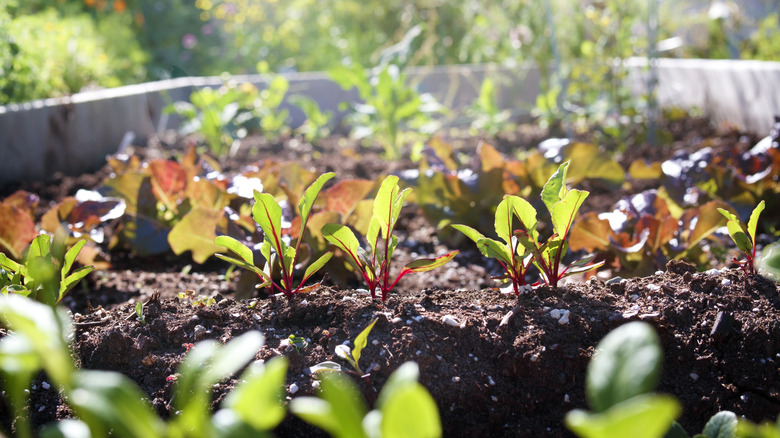
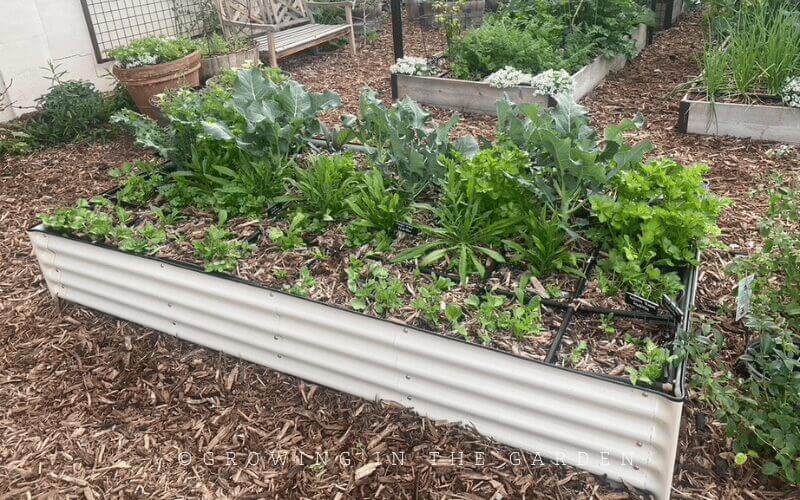
- Consider raised beds for improved drainage and soil temperature control. Raised beds also make it easier to manage soil quality and moisture levels.
For those just starting out, it’s helpful to review easy crops for beginners and how to grow them for foundational advice that applies to hot climates as well.
Common Mistakes to Avoid in Hot-Weather Gardening
Even experienced gardeners can run into trouble when temperatures soar. Here are some pitfalls to watch out for:
- Overwatering: Too much water can lead to root rot, especially in poorly drained soils.
- Neglecting mulch: Bare soil heats up quickly and loses moisture fast.
- Ignoring plant spacing: Crowded plants can’t cool themselves as effectively and are more prone to disease.
- Planting cool-season crops in midsummer: Lettuce, spinach, and broccoli will bolt or fail in extreme heat. For a cool-season crop that can be grown in containers, see this guide on how to grow cauliflower at home.
Frequently Asked Questions
Which vegetables are most reliable for extremely hot and dry climates?
Okra, sweet potatoes, southern peas, and yardlong beans are among the most dependable choices for very hot and arid regions. These crops have adaptations like deep roots and drought tolerance, making them ideal for challenging conditions.
How can I keep my vegetable garden productive during heat waves?
Use mulch to retain soil moisture, water deeply but less often, and provide afternoon shade with row covers or shade cloth. Selecting heat-tolerant varieties is essential for maintaining yields when temperatures spike.
Are there leafy greens that can handle high temperatures?
Yes, Malabar spinach and amaranth are two leafy greens that thrive in hot weather. Swiss chard can also tolerate warmth better than traditional spinach or lettuce.
Conclusion
Gardening in a hot climate doesn’t mean sacrificing variety or yield. By selecting heat-tolerant vegetables and following smart gardening practices, you can enjoy fresh, homegrown produce throughout the hottest months. Remember to experiment with different varieties, monitor your garden’s needs, and adjust your care routine as the season progresses. With the right approach, your summer garden can be as abundant and rewarding as any cool-season plot.