Broccoli is a rewarding vegetable to grow, even if you don’t have a traditional garden plot. With the right approach, you can enjoy fresh, homegrown broccoli from your patio, balcony, or any small outdoor space. Learning how to grow broccoli in containers opens up possibilities for urban gardeners, renters, and anyone with limited ground space. This guide covers everything you need to know—from choosing the right pot to harvesting healthy heads—so you can enjoy crisp, nutritious broccoli right at home.
Container gardening offers flexibility and control over soil quality, moisture, and sunlight. It’s also a great way to avoid common soil-borne pests and diseases. If you’re interested in expanding your homegrown vegetable options, you might also find value in exploring how to grow cauliflower at home for a similar cool-season crop that thrives in pots.

Choosing the Best Containers for Broccoli
To set your broccoli up for success, start by selecting the right container. Broccoli plants need room for their roots to develop and for the heads to form properly. Here are some key considerations:
- Size: Each broccoli plant requires a pot that holds at least 3–5 gallons of soil. A container that’s 12–14 inches deep and wide is ideal for one plant.
- Material: Sturdy plastic, ceramic, or fabric grow bags all work well. Ensure the pot is durable and can withstand outdoor conditions.
- Drainage: Good drainage is essential. Make sure your container has multiple holes at the bottom to prevent waterlogging, which can lead to root rot.
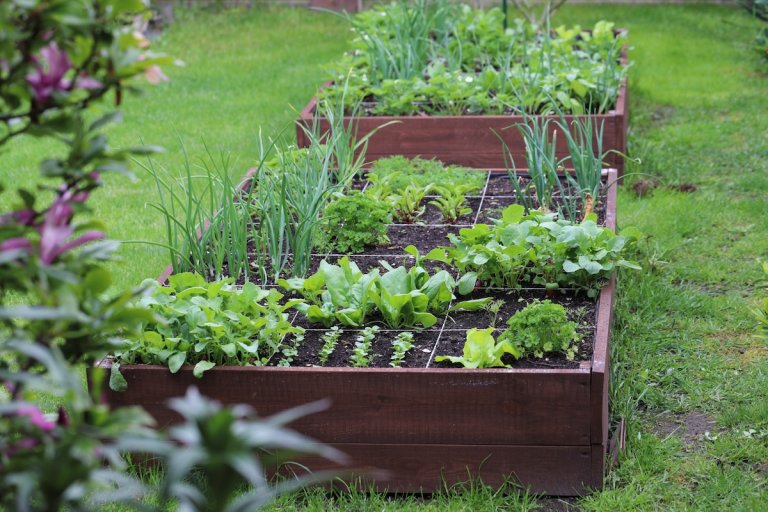
If you’re planning to grow several plants, consider using a larger raised planter bed. This approach allows you to maximize your space and makes watering and maintenance easier. For more ideas on starting a vegetable garden from scratch, check out this comprehensive beginner’s guide to veggie gardening.
Soil and Fertilizer for Healthy Growth
Broccoli thrives in rich, well-draining soil. Using the right potting mix is crucial for container success:
- Soil Mix: Use a high-quality vegetable potting mix. Avoid garden soil, which can compact in pots and harbor pests.
- pH Level: Aim for a slightly acidic to neutral pH (6.0–7.0). Most commercial mixes fall within this range.
- Fertilizer: Broccoli is a heavy feeder. Mix in a slow-release organic fertilizer at planting time, and supplement with a liquid fertilizer every 3–4 weeks during the growing season.
Planting Broccoli Seeds or Seedlings in Pots
Once your container and soil are ready, it’s time to plant. You can start with seeds or young transplants:
- Starting from Seed: Sow seeds 1/2 inch deep, 2–3 inches apart. Thin to one plant per pot once seedlings have two sets of true leaves.
- Transplanting Seedlings: If using nursery starts, plant them at the same depth as in their original containers. Gently firm the soil around the base.
- Timing: Broccoli prefers cool weather. Plant in early spring or late summer for a fall harvest. Avoid the hottest part of the year.
Water thoroughly after planting and keep the soil consistently moist but not soggy. Using a soil moisture meter can help you avoid over- or under-watering, which is especially important in containers.
Sunlight and Temperature Requirements
Broccoli needs plenty of sunlight to produce large, healthy heads. Here’s what to keep in mind:
- Light: Place your pots where they’ll receive at least 6 hours of direct sunlight each day. If growing indoors, use a grow light to supplement natural light.
- Temperature: Broccoli grows best in temperatures between 60–75°F (15–24°C). If a heatwave is expected, move containers to a shadier spot to prevent bolting.
Container-grown broccoli is easy to move, so take advantage of this flexibility to protect your plants from extreme weather.
Watering and Maintenance Tips for Potted Broccoli
Consistent moisture is key when cultivating broccoli in pots. Containers dry out faster than garden beds, so regular monitoring is essential:
- Watering: Check soil moisture daily, especially during warm weather. Water when the top inch of soil feels dry. Avoid letting the soil dry out completely.
- Mulching: Add a layer of straw or shredded leaves to help retain moisture and regulate soil temperature.
- Feeding: Continue to fertilize every few weeks with a balanced liquid fertilizer, following package instructions.
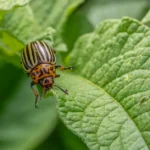
Keep an eye out for pests like aphids and cabbage worms. Handpick pests or use organic controls as needed. Healthy, well-fed plants are more resistant to common issues.
Harvesting Broccoli from Containers
Knowing when and how to harvest is crucial for the best flavor and texture. Here’s what to look for:
- Timing: Harvest when the central head is fully developed but before the small buds open into yellow flowers.
- Method: Use a sharp knife to cut the main head, leaving several inches of stem and some leaves. Side shoots will often continue to grow, providing additional smaller harvests.
Broccoli is best enjoyed fresh, but you can also store it in the refrigerator for up to a week. If you’re interested in growing other vegetables in containers, you might also like to read about how to grow eggplant at home or how to grow cabbage step by step for more container-friendly crops.
Common Problems and Solutions
Even with careful attention, you may encounter a few challenges. Here are some typical issues and how to address them:
| Problem | Cause | Solution |
|---|---|---|
| Yellowing Leaves | Overwatering or nutrient deficiency | Check drainage and fertilize as needed |
| Small Heads | Insufficient sunlight or crowded roots | Move to sunnier spot, use larger pot |
| Pest Damage | Aphids, cabbage worms | Handpick or use organic pest controls |
Regular monitoring and prompt action will help keep your container broccoli healthy and productive.
FAQs About Container Broccoli Gardening
How many broccoli plants can I grow in one container?
For best results, grow one broccoli plant per 3–5 gallon pot. If you use a larger planter, space plants at least 18 inches apart to allow for proper growth.
Can I reuse the soil from my broccoli container for other crops?
It’s best to refresh or replace the soil each season to prevent disease buildup and nutrient depletion. You can reuse the soil for non-brassica crops after amending it with compost and fertilizer.
What are the best companion plants for broccoli in pots?
Herbs like dill and chamomile, or leafy greens such as lettuce and spinach, make good companions. Avoid planting with other brassicas to reduce pest and disease risks.
Conclusion
Growing broccoli in pots is a practical way to enjoy fresh vegetables, even in small spaces. By choosing the right container, providing quality soil, and maintaining consistent care, you can harvest delicious heads throughout the cool season. For more inspiration, consider learning about how to grow garlic at home or how to grow ginger in pots to expand your container garden. With a little effort, you’ll be rewarded with crisp, homegrown broccoli and the satisfaction of successful potted gardening.