Growing your own spinach at home is a rewarding way to enjoy fresh, nutrient-rich greens year-round, even if you have limited space. With the right approach, cultivating spinach in containers is both simple and productive. Whether you’re a beginner or an experienced gardener, this guide will walk you through every step for success, from choosing the right pot to harvesting your first leaves. Along the way, you’ll find practical tips and resources to help you get the most from your container garden.
For those interested in expanding their homegrown produce, you might also enjoy learning about how to grow lettuce year round for a continuous harvest. Combining leafy greens like spinach and lettuce can make your kitchen garden even more versatile.
Why Choose Containers for Growing Spinach?
Container gardening is ideal for those with limited outdoor space, such as apartment dwellers or anyone with a small patio or balcony. Pots offer several advantages for cultivating spinach:
- Mobility: Move your plants to follow the sun or protect them from harsh weather.
- Pest Control: Containers can help minimize exposure to soil-borne pests and diseases.
- Soil Quality: You have full control over the soil mix, ensuring optimal nutrition for your spinach.
- Accessibility: Pots can be placed at a comfortable height, making gardening easier for everyone.
Getting Started: Supplies and Preparation
Before you begin, gather the following essentials to set yourself up for a successful spinach harvest:
- Containers: Choose pots at least 6–8 inches deep and wide enough to allow for several plants. Drainage holes are essential.
- Potting Mix: Use a high-quality, well-draining mix rich in organic matter. Avoid garden soil, which can compact and hinder root growth.
- Spinach Seeds or Seedlings: Select a variety suited for containers, such as ‘Bloomsdale’ or ‘Baby’s Leaf’.
- Watering Can or Hose: Consistent moisture is key for spinach.
- Fertilizer: A balanced, slow-release fertilizer or liquid feed will support healthy growth.
For those interested in maximizing small spaces, consider exploring vertical gardening ideas for vegetables to grow even more produce in containers.
Steps for Planting Spinach in Containers
Follow these steps to ensure your spinach thrives in pots:
- Fill the Pot: Add potting mix to your container, leaving about an inch below the rim for watering.
- Sow Seeds: Plant seeds ½ inch deep and about 2 inches apart. If using seedlings, space them 4–6 inches apart.
- Water Gently: Moisten the soil evenly, but avoid waterlogging. Spinach prefers consistently damp (not soggy) soil.
- Position the Pot: Place your container in a spot that receives 4–6 hours of sunlight daily. In hot climates, partial shade helps prevent bolting.
- Thin Seedlings: Once seedlings have a few true leaves, thin them to 4–6 inches apart to allow for healthy growth.
For more beginner-friendly tips, check out this comprehensive beginner’s guide to vegetable gardening.
Best Conditions for Spinach in Pots
To get the most from your spinach, pay attention to these growing conditions:
- Temperature: Spinach grows best in cool weather (50–70°F/10–21°C). In warmer climates, plant in early spring or fall.
- Watering: Keep soil consistently moist. A soil moisture meter can help you avoid over- or under-watering.
- Fertilizing: Feed with a balanced fertilizer every 2–3 weeks, especially if leaves appear pale or growth slows.
- Air Circulation: Good airflow helps prevent fungal issues. Avoid overcrowding your pots.
Raised beds are another excellent option for leafy greens. If you’re interested in building your own, see this step-by-step guide to building a raised garden bed.
Companion Planting and Pest Management
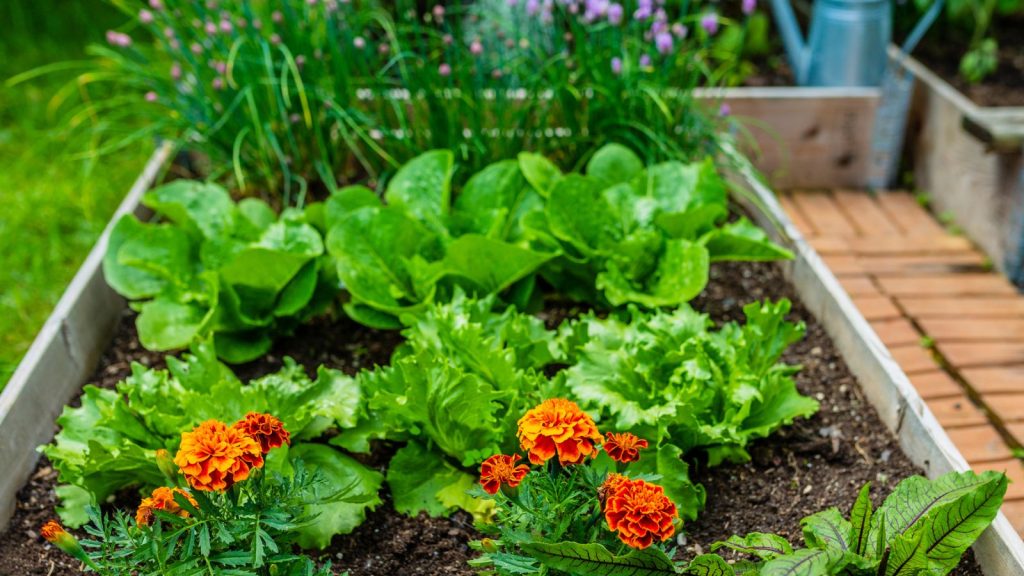
Growing spinach alongside certain plants can help deter pests and improve yields. Marigolds, for example, are known to repel aphids and other insects. Regularly inspect your spinach for common pests like leaf miners and aphids. Remove affected leaves and use insecticidal soap if needed. Rotate crops and refresh potting mix each season to reduce disease risk.
Harvesting and Enjoying Your Homegrown Spinach
Spinach is ready to harvest as soon as the leaves are large enough to eat, usually 4–6 weeks after planting. Pick the outer leaves first, allowing the center to continue producing. Regular harvesting encourages more growth and prolongs the harvest window. Use your fresh spinach in salads, sautés, smoothies, or as a nutritious addition to any meal.
If you’re looking for more inspiration on what to grow in raised beds, see these high-yield vegetable ideas for raised beds.
Common Problems and Solutions When Growing Spinach in Containers
Even with proper care, you may encounter some challenges. Here are a few common issues and how to address them:
- Bolting: Spinach can quickly go to seed in hot weather. Plant early or provide afternoon shade to extend the season.
- Yellow Leaves: Often a sign of overwatering or nutrient deficiency. Check drainage and consider feeding with a balanced fertilizer.
- Slow Growth: Ensure your plants are getting enough sunlight and not overcrowded. Thin seedlings as needed.
- Pests: Handpick pests or use organic controls. Rotate crops and clean containers between plantings.
Frequently Asked Questions
How often should I water spinach in pots?
Keep the soil consistently moist but not soggy. Depending on your climate, this may mean watering every 1–2 days. Using a soil moisture meter can help you maintain the right balance.
Can I grow spinach indoors?
Yes, spinach can be grown indoors as long as it receives enough light. Place pots near a sunny window or use grow lights for best results.
What is the best pot size for spinach?
Choose containers that are at least 6–8 inches deep and wide enough to space plants 4–6 inches apart. Larger pots allow for more plants and better moisture retention.
How do I prevent spinach from bolting?
Plant spinach during cooler months and provide partial shade in warmer weather. Consistent watering and harvesting outer leaves can also help delay bolting.
With these tips and resources, you’ll be well on your way to enjoying fresh, homegrown spinach from your own containers. For those interested in expanding their indoor gardening skills, you might also like this guide on how to grow peppers indoors for even more variety in your kitchen garden.