Starting a life away from the grid is an exciting journey, but it requires careful planning and a clear understanding of your needs. For those new to self-sufficient living, having a well-organized off-grid homestead checklist can make all the difference between a smooth transition and unexpected setbacks. This guide covers the essential steps, supplies, and considerations to help you build a resilient, productive homestead from the ground up.
Whether you’re preparing to grow your own food, set up renewable energy, or manage water and waste independently, the right preparation will save you time, money, and stress. Before diving into the main sections, be sure to check out our detailed advice on how to prepare soil for planting vegetables to set your gardens up for success.
Planning Your Off-Grid Homestead: Key Considerations
Before you start building or buying supplies, take time to plan your homestead. Consider the following:
- Location: Research climate, soil quality, water sources, and local regulations.
- Land Assessment: Walk the property to identify sun exposure, wind patterns, and natural resources.
- Budget: List your must-haves and nice-to-haves to prioritize spending.
- Access: Ensure you can reach your property year-round, especially in winter.
For a deeper dive into the process, the ultimate guide to starting a frugal off-grid homestead offers practical tips and a beginner’s roadmap.
Essential Shelter and Structures
One of the first tasks is securing a safe, comfortable place to live. Your options will depend on your budget, skills, and climate:
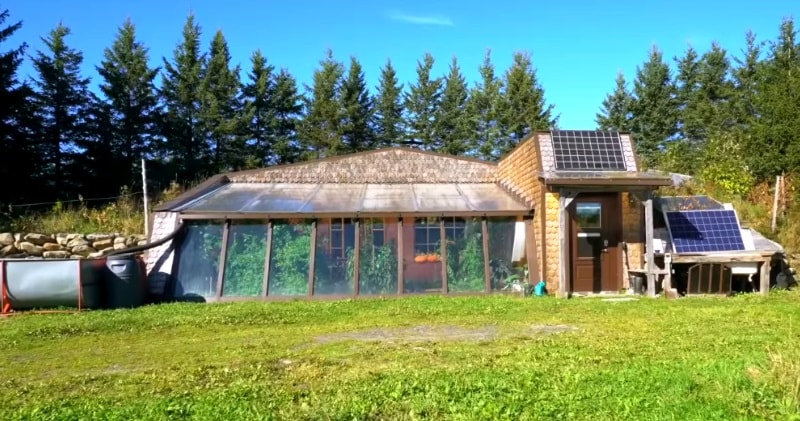
- Primary Shelter: Cabin, tiny house, yurt, earthship, or converted RV.
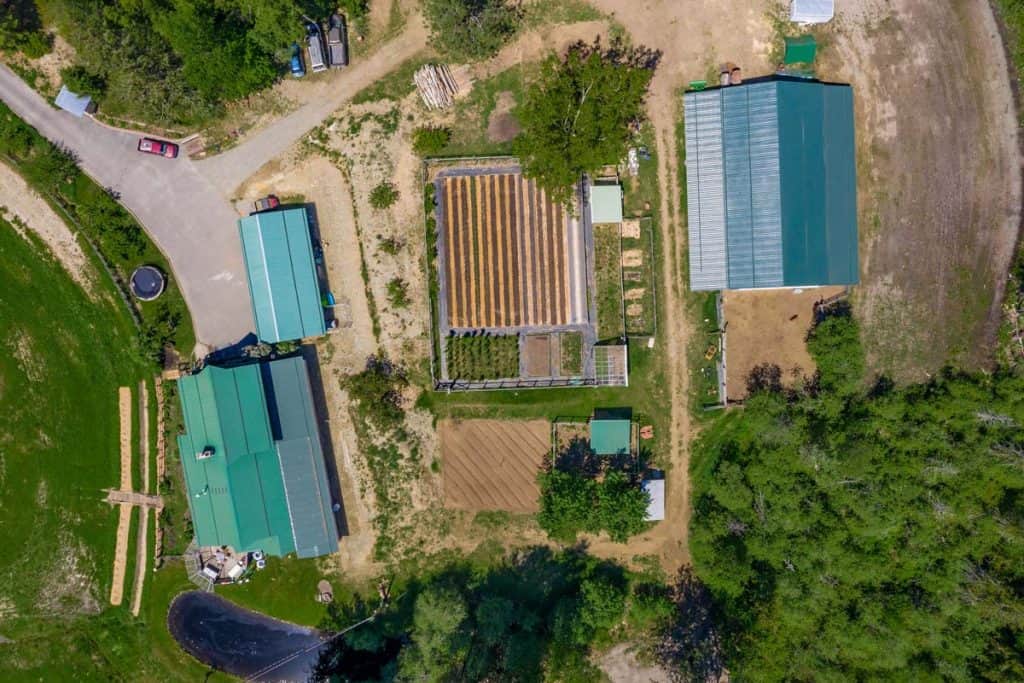
- Outbuildings: Storage sheds, tool barns, animal shelters, and greenhouses.
- Insulation: Proper insulation and weatherproofing are crucial for year-round comfort.
- Emergency Shelter: Consider a backup tent or structure in case of repairs or disasters.
Water Collection and Management
Reliable water is the backbone of any homestead. Here’s what to include in your off-grid water plan:
- Water Sources: Wells, springs, rainwater catchment, or nearby streams.
- Storage: Tanks, barrels, or cisterns sized for your household and animals.
- Filtration: Install filters or purifiers for drinking and cooking water.
- Distribution: Gravity-fed or pump systems to deliver water where needed.
- Greywater: Set up safe systems for reusing water from sinks and showers.
Power and Energy Solutions for Off-Grid Living
Generating your own electricity is a core part of a self-reliant lifestyle. Consider these energy options:
- Solar Power: Panels, charge controllers, batteries, and inverters.
- Wind Turbines: Useful in areas with consistent wind.
- Generators: Gas, diesel, or propane as backup for cloudy days or emergencies.
- Wood Stoves: For heating and sometimes cooking, especially in colder climates.
Keep in mind that energy needs will vary by household size and climate. Start with essentials and expand as needed.
Food Production: Gardens, Animals, and Storage
Growing your own food is a cornerstone of off-grid living. Here’s what to include in your setup:
- Vegetable Gardens: Plan raised beds, in-ground plots, or container gardens. For small spaces, see our advice on how to grow vegetables in small spaces.
- Fruit Trees and Bushes: Plant perennials for long-term yields.
- Livestock: Chickens, goats, rabbits, or bees for eggs, milk, meat, and honey.
- Composting: Set up bins or piles for food scraps and manure to enrich your soil.
- Food Storage: Root cellars, pantries, and freezers for preserving harvests.
For beginners, starting with easy crops is wise. Explore our list of easy vegetables for beginners to grow for inspiration.
Sanitation and Waste Management
Managing waste safely is critical for health and environmental reasons. Off-grid options include:
- Composting Toilets: Reduce water use and create usable compost.
- Greywater Systems: Safely reuse water from sinks, showers, and laundry.
- Trash Disposal: Plan for recycling, burning, or hauling out trash as needed.
- Animal Waste: Compost or use as fertilizer where safe and appropriate.
Tools, Equipment, and Supplies
Having the right tools makes every job easier. Your off-grid homestead checklist should include:
- Hand Tools: Shovels, hoes, axes, saws, and hammers.
- Power Tools: Cordless drills, chainsaws, and other battery-powered equipment.
- Gardening Supplies: Seeds, soil amendments, watering cans, and mulch.
- Animal Care: Feed, bedding, fencing, and first aid supplies.
- Emergency Gear: Flashlights, radios, fire extinguishers, and first aid kits.
For those interested in specific crops, our guide on how to grow onions from bulbs provides step-by-step advice.
Building Community and Ongoing Learning
Living off-grid doesn’t mean going it alone. Connect with neighbors, join online forums, and keep learning new skills. Books, workshops, and local extension services are valuable resources for troubleshooting and improvement.
As you gain experience, update your checklist regularly to reflect your changing needs and goals. Remember, flexibility and a willingness to adapt are just as important as any tool or supply.
Frequently Asked Questions
What is the most important first step for new off-grid homesteaders?
The most crucial first step is thorough planning—assess your land, water sources, and energy options before making major investments. This helps avoid costly mistakes and ensures your setup matches your needs.
How much land do I need for a self-sufficient homestead?
The amount of land required depends on your goals, family size, and the types of food and livestock you want to raise. Many families find that 1–5 acres is enough for gardens, small livestock, and a comfortable living space.
Can I start an off-grid homestead on a tight budget?
Yes, many people begin with minimal resources by prioritizing essentials, repurposing materials, and building skills over time. Focus on shelter, water, and food production first, then expand as your budget allows.