
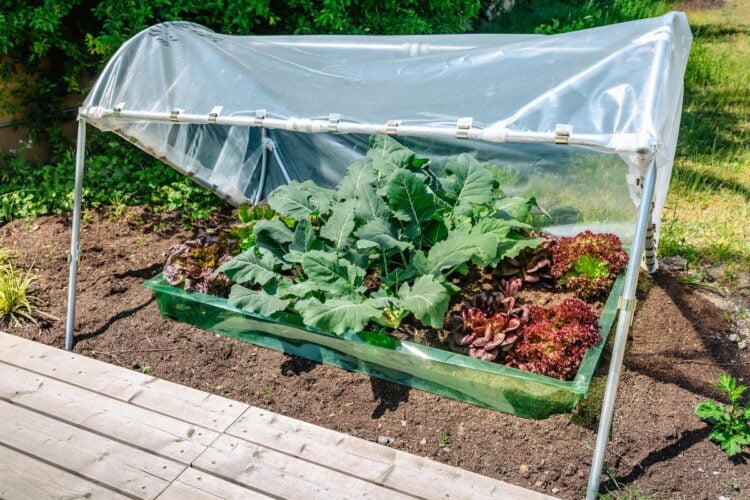
The pursuit of a more self-sufficient, sustainable way of living has gained momentum in recent years. Many individuals and families are drawn to the idea of growing their own food, reducing reliance on commercial systems, and reconnecting with nature. However, embracing this path comes with a unique set of modern homesteading lifestyle challenges that differ significantly from those faced by traditional homesteaders. Understanding these obstacles is essential for anyone considering this rewarding, yet demanding, lifestyle.
Whether you live on several acres or in a small urban lot, the journey toward greater self-reliance requires planning, adaptability, and a willingness to learn. For those just starting out, learning how to grow onions from bulbs or other simple crops can be a practical first step. But as you deepen your commitment, you’ll encounter a range of hurdles—some expected, others surprising.
Defining the Modern Approach to Homesteading
Unlike the pioneers of the past, today’s homesteaders often blend old-fashioned skills with new technology and urban or suburban realities. The modern homesteading lifestyle can mean anything from tending a backyard garden to raising chickens in the city or even creating rooftop vegetable beds. For a deeper look at how this approach differs from its historical roots, see this comparison of modern and traditional homesteading.
While the motivations—such as food security, sustainability, and independence—remain similar, the context and constraints have evolved. This blend of old and new creates both opportunities and complications for those seeking a more self-reliant life.
Common Obstacles Facing New Homesteaders
Adopting a self-sufficient lifestyle is rarely straightforward. Here are some of the most common modern homesteading lifestyle challenges that newcomers encounter:
- Limited Space: Many aspiring homesteaders live in urban or suburban settings where land is scarce. Creative solutions—like container gardening or vertical growing—are often necessary.
- Zoning and Legal Restrictions: Local ordinances may limit the types of animals you can keep, the size of your garden, or the structures you can build.
- Time Management: Balancing a full-time job, family responsibilities, and homesteading tasks can be overwhelming, especially during planting and harvest seasons.
- Financial Investment: Starting a garden, building infrastructure, or purchasing livestock requires upfront costs, and returns may take time to materialize.
- Knowledge Gaps: Many people lack experience in gardening, animal husbandry, or food preservation, making the learning curve steep.
Adapting to Space and Location Constraints
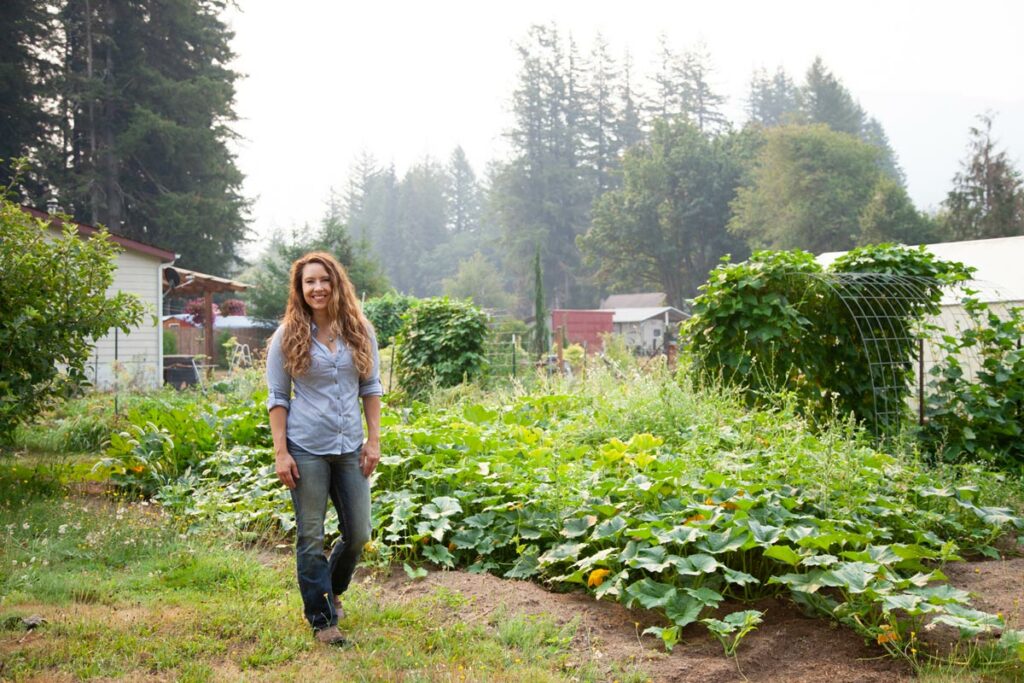
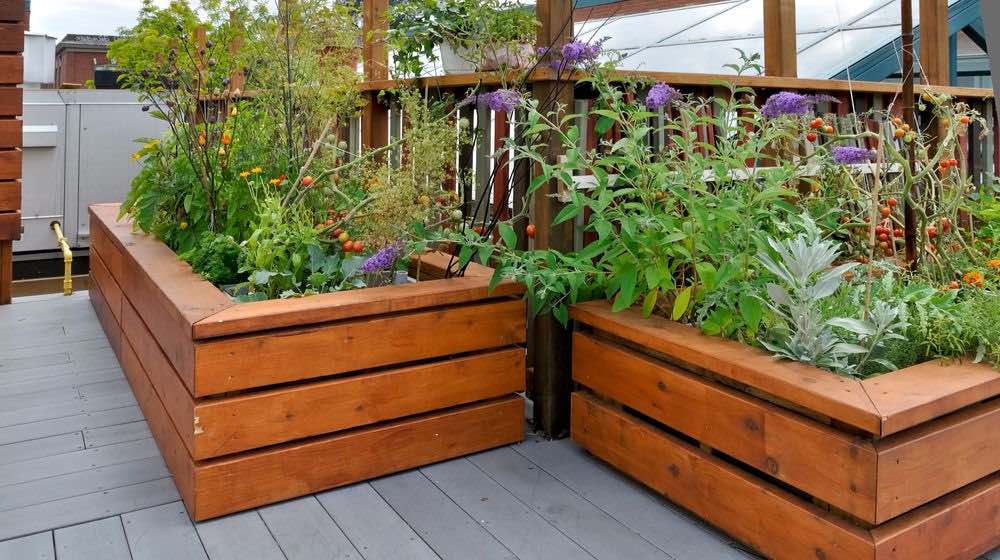
One of the most significant barriers for urban and suburban dwellers is the lack of land. However, with some ingenuity, it’s possible to produce a surprising amount of food in small spaces. Raised beds, container gardens, and even rooftop plots are increasingly popular solutions. For those interested in maximizing yields in tight quarters, learning how to grow vegetables in small spaces can be especially helpful.
Urban homesteaders also face unique issues such as soil contamination, limited sunlight, and proximity to neighbors. Testing soil quality and choosing crops that thrive in partial shade can help mitigate some of these issues. Additionally, building relationships with neighbors and local officials can smooth the way for projects that might otherwise face resistance.
Managing Time and Avoiding Burnout
One of the most underestimated modern homesteading lifestyle challenges is time management. Between work, family, and homesteading duties, it’s easy to become overwhelmed. Prioritizing tasks, setting realistic goals, and accepting that not everything will go as planned are key strategies for avoiding burnout.
Many successful homesteaders recommend starting small—perhaps with a few raised beds or a handful of chickens—before expanding. This approach allows you to build skills and confidence without becoming discouraged by early setbacks. Over time, you can add more ambitious projects as your experience grows.
Financial Realities of Self-Sufficiency
While the dream of living off the land is appealing, the financial realities can be sobering. Initial investments in tools, seeds, soil amendments, and infrastructure add up quickly. It’s important to budget carefully and look for ways to reduce costs, such as repurposing materials or trading with neighbors.
Some crops and livestock offer faster returns than others. For example, learning about the best vegetables to grow at home can help you see results sooner and boost your confidence. Over time, as your skills improve, you may find ways to generate extra income—such as selling surplus produce or homemade goods.
Building Skills and Overcoming the Learning Curve
Few people grow up with all the skills needed for a self-reliant lifestyle. Gardening, animal care, food preservation, and basic carpentry are just a few of the abilities you may need to develop. Fortunately, there are many resources available, from books and online tutorials to local workshops and community groups.
Start by focusing on one or two areas, such as learning how to prepare soil for planting vegetables or mastering a simple food preservation method. As you gain experience, you’ll become more comfortable tackling new challenges and troubleshooting problems as they arise.
Emotional and Social Aspects of Homesteading
Beyond the practical difficulties, the emotional side of homesteading is often overlooked. The journey can be isolating, especially if friends or family don’t share your enthusiasm for self-sufficiency. Connecting with like-minded individuals—either online or in person—can provide much-needed support and encouragement.
Celebrating small victories, learning from failures, and maintaining a sense of humor are all important for long-term success. Remember, even experienced homesteaders face setbacks; resilience and adaptability are just as important as technical know-how.
FAQ: Navigating the Path to Self-Sufficiency
What are the biggest challenges for urban homesteaders?
Urban homesteaders often struggle with limited space, zoning restrictions, and soil quality issues. Creative gardening techniques, such as vertical or container gardening, can help maximize productivity. Building relationships with neighbors and local officials is also crucial for overcoming regulatory hurdles.
How can beginners avoid burnout when starting out?
Start small and focus on a few manageable projects. Set realistic goals, prioritize your time, and don’t be afraid to ask for help or learn from mistakes. Gradually expand your efforts as your skills and confidence grow.
Is it possible to homestead on a tight budget?
Yes, but it requires careful planning and resourcefulness. Repurpose materials, trade with neighbors, and focus on high-yield, low-cost crops. Over time, your investment in skills and infrastructure can help reduce expenses and even generate extra income.
Conclusion: Embracing the Rewards and Realities
While the path toward greater self-reliance is filled with modern homesteading lifestyle challenges, it also offers deep rewards—greater independence, a closer connection to nature, and the satisfaction of producing your own food. By understanding the obstacles and preparing for them, you can build a resilient, fulfilling homestead wherever you live. Remember, every step forward is progress, and the journey itself is as valuable as the destination.