The transition from summer to autumn marks a pivotal time for those practicing modern homesteading. As the days grow shorter and temperatures begin to cool, homesteaders focus on reaping the rewards of their hard work throughout the growing season. This comprehensive guide offers practical advice for harvesting, preserving, and preparing your homestead for the colder months ahead. Whether you manage a sprawling rural property or a compact backyard garden, these strategies will help you make the most of your fall bounty and set the stage for a productive year to come.
For those new to self-sufficient living, understanding the nuances of a successful autumn harvest is essential. From timing your vegetable picking to storing root crops and preparing your soil for next spring, each step plays a role in maximizing your food supply and ensuring sustainability. If you’re looking to expand your skills, you may also find value in learning how to grow onions from bulbs for a reliable, long-lasting crop.
Essential Fall Harvest Tasks for the Modern Homesteader
Autumn is a season of abundance, but also of preparation. To make the most of your harvest, it’s important to prioritize certain tasks that will keep your homestead running smoothly and efficiently. Here are some of the most important activities to focus on during this time of year:
- Harvesting late-season crops: Vegetables like squash, pumpkins, carrots, and potatoes reach their peak in the fall. Monitor them closely for signs of maturity and pick before the first hard frost.
- Preserving your produce: Canning, dehydrating, fermenting, and freezing are all excellent ways to extend your harvest. Set aside time each week to process your surplus so nothing goes to waste.
- Storing root vegetables: Crops such as beets, turnips, and parsnips can be kept in cool, dark spaces like root cellars or basements. Proper storage ensures a steady supply of fresh food through winter.
- Saving seeds: Collect seeds from your healthiest plants to ensure a strong crop next year. Dry them thoroughly and store in labeled envelopes or jars.
- Preparing your soil: After harvesting, add compost or manure to your beds to replenish nutrients. Consider planting cover crops to protect and enrich the soil during the off-season.
Harvesting and Storing Crops: A Practical Approach
For those following a modern homesteading fall harvest guide, timing and technique are everything. Picking crops at their peak ensures the best flavor and nutrition, while proper storage methods can mean the difference between abundance and spoilage.
When to Harvest Common Fall Vegetables
- Winter squash and pumpkins: Harvest when the skin is hard and cannot be punctured with a fingernail. Leave a few inches of stem attached to prolong storage life.
- Potatoes: Wait until the foliage has died back, then dig carefully to avoid bruising. Cure in a dark, well-ventilated area for two weeks before storing.
- Carrots and beets: These can be left in the ground until just before the soil freezes. Mulch heavily if you plan to harvest gradually.
- Brassicas (cabbage, broccoli, Brussels sprouts): These cool-weather crops often improve in flavor after a light frost. Harvest as heads or sprouts reach full size.
Best Practices for Storage
- Root cellars: Maintain a temperature between 32–40°F (0–4°C) with high humidity for optimal storage of root crops.
- Pantries and cupboards: Store cured onions, garlic, and winter squash in a cool, dry place with good air circulation.
- Freezing and canning: Blanch and freeze excess greens, beans, and corn, or preserve tomatoes and fruits through water bath or pressure canning.
For more tips on maximizing small spaces, check out our advice on how to grow vegetables in small spaces.
Preservation Techniques for a Self-Sufficient Winter
One of the cornerstones of homesteading is learning how to preserve the harvest. By employing a variety of methods, you can enjoy homegrown produce long after the garden has been put to bed.
- Canning: Use tested recipes for safety. Pressure can low-acid foods like beans and meats, and water bath can high-acid foods like tomatoes and jams.
- Dehydrating: Dry fruits, herbs, and vegetables for lightweight, shelf-stable snacks and ingredients.
- Fermenting: Sauerkraut, kimchi, and pickles are not only delicious but also packed with probiotics.
- Freezing: Blanch vegetables before freezing to maintain texture and flavor. Use airtight containers or vacuum-sealed bags.
Preserving food is a time investment, but it pays off in convenience and nutrition throughout the winter months. If you’re new to these methods, start with small batches and expand as your confidence grows.
Preparing Your Homestead for the Cold Season
Once the harvest is in, it’s time to shift focus to winter preparations. A well-prepared homestead weathers the cold months with fewer surprises and more comfort. Here are some key steps to consider:
- Protecting perennials: Mulch around fruit trees, berry bushes, and perennial herbs to insulate roots and prevent frost heaving.
- Cleaning up garden beds: Remove spent plants and debris to reduce disease and pest pressure next year. Compost healthy plant material.
- Maintaining tools and equipment: Clean, oil, and store garden tools in a dry place. Drain hoses and irrigation systems to prevent freezing.
- Winterizing animal shelters: Ensure coops, barns, and hutches are draft-free but well-ventilated. Stock up on bedding and feed.
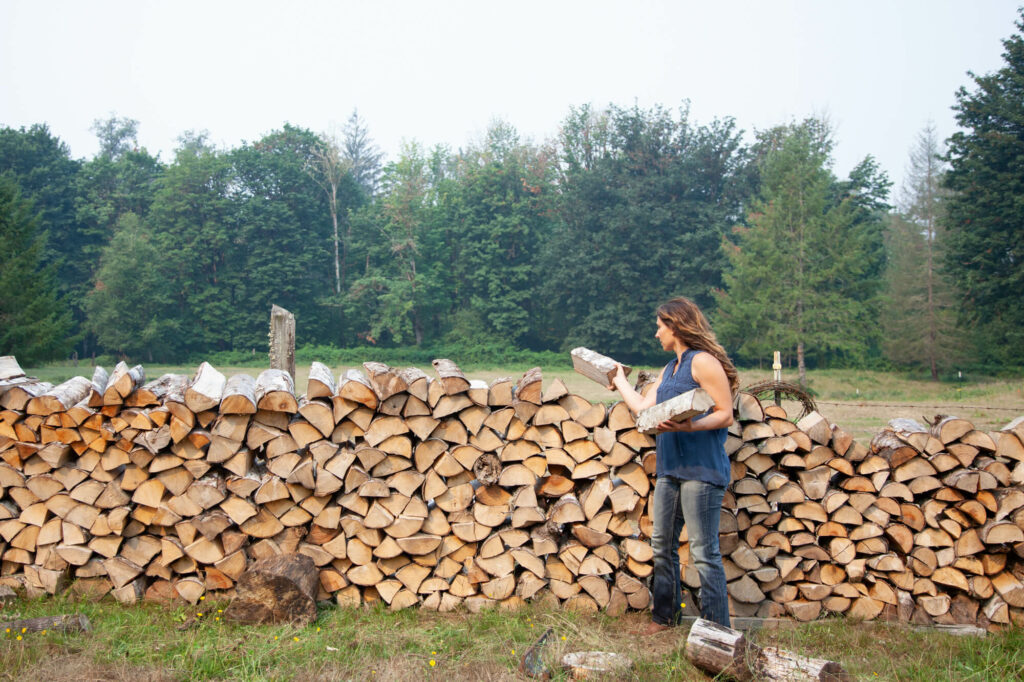
- Stacking firewood: If you rely on wood heat, stack and cover your firewood supply now to ensure it’s dry and ready for use.
For a deeper dive into soil health, read our guide on how to prepare soil for planting vegetables to get a head start on next spring.
Planning Ahead: Seed Saving and Next Year’s Garden
While autumn is about reaping rewards, it’s also the perfect time to plan for the next growing season. Saving seeds from your best-performing plants helps you cultivate varieties that thrive in your unique conditions. Label your seeds with the variety and date, and store them in a cool, dry place.
Now is also a good time to review what worked well this year and what could be improved. Make notes about planting dates, yields, and pest issues. This record-keeping will be invaluable when it’s time to order seeds and start seedlings in late winter.
If you’re interested in expanding your garden, consider exploring the best vegetables to grow at home for a productive and diverse harvest.
Modern Homesteading Resources and Community
Building a thriving homestead is easier when you connect with others who share your passion. There are many online communities, forums, and blogs dedicated to sustainable living and self-reliance. For more inspiration and practical tips, visit this in-depth article on modern homesteading practices that covers everything from energy solutions to food preservation.
Sharing knowledge and experiences with fellow homesteaders can help you troubleshoot challenges, discover new techniques, and stay motivated throughout the year.
Frequently Asked Questions
What are the most important crops to harvest in autumn?
Key crops for fall include root vegetables like carrots, beets, and potatoes, as well as winter squash, pumpkins, and brassicas such as cabbage and Brussels sprouts. These crops store well and provide essential nutrition during the winter months.
How can I store my harvest to last through winter?
Use a combination of root cellars for root vegetables, pantries for cured onions and squash, and preservation methods like canning, dehydrating, and freezing. Maintain proper temperature and humidity for each crop to maximize shelf life.
What steps should I take to prepare my garden for next spring?
After harvesting, clean up garden beds, add compost or manure, and consider planting cover crops. Save seeds from your healthiest plants, and make notes about this year’s successes and challenges to inform next season’s planning.