Reliable access to water is a cornerstone of any successful off-grid lifestyle. Whether you’re homesteading, living remotely, or simply aiming for greater self-sufficiency, having a well-designed water storage solution is essential. Off-grid water storage tanks allow you to collect, store, and manage water independently, ensuring you have enough supply for drinking, cooking, irrigation, and other daily needs.
This guide explores the main types of tanks suitable for off-grid use, practical sizing strategies, and key considerations for choosing the right system. If you’re also interested in maximizing your food production, check out tips on how to grow vegetables in small spaces to complement your water-saving efforts.
Why Water Storage Is Vital for Off-Grid Living
Living away from municipal water systems means you’re responsible for every drop you use. Droughts, seasonal changes, and unpredictable weather can all impact your water availability. By installing off-grid water storage tanks, you create a buffer against shortages and emergencies. These tanks also make it possible to capture rainwater or store water delivered by truck, giving you flexibility in sourcing and managing your supply.
Water storage isn’t just about survival—it’s about comfort and sustainability. With the right setup, you can maintain gardens, care for livestock, and enjoy modern conveniences without constant worry about running dry.
Main Types of Water Storage Tanks for Off-Grid Use
There are several tank options to consider, each with its own strengths and best-use scenarios. Understanding the differences will help you select the most suitable system for your property and climate.
Polyethylene (Plastic) Tanks
Poly tanks are among the most popular choices for off-grid water storage. They’re lightweight, easy to install, and resistant to rust and corrosion. Available in a wide range of sizes (from small barrels to large cisterns), these tanks are ideal for both above-ground and partially buried setups. Look for food-grade models if you plan to use the water for drinking or cooking.
Steel Tanks
Galvanized or stainless steel tanks offer exceptional durability and can last for decades with proper care. They’re well-suited to larger storage needs and are often chosen for their strength and resistance to UV damage. However, they can be heavier and more expensive than plastic alternatives. Steel tanks may also require internal liners to prevent corrosion and maintain water quality.
Concrete Tanks
Concrete cisterns are a robust, long-term solution for those with high-capacity requirements. These tanks can be installed underground, helping to keep water cool and protected from light. While installation is more complex and costly, concrete tanks are virtually immune to fire and can double as storm shelters in some cases. They’re best suited for permanent homesteads or properties with significant water needs.
Collapsible and Bladder Tanks
For temporary or mobile setups, collapsible tanks and bladders offer flexibility and portability. Made from reinforced fabric, these tanks can be easily transported and set up as needed. They’re commonly used for emergency storage, seasonal use, or as backup systems. While not as durable as rigid tanks, they’re a practical option for those who need adaptable solutions.
How to Size Your Off-Grid Water Storage System
Choosing the right tank size is crucial for meeting your needs without overspending or running out of water. Here’s how to estimate the ideal capacity:
-
Calculate Daily Water Use:
- Drinking and cooking: 2–4 gallons per person per day
- Bathing and hygiene: 10–20 gallons per person per day
- Laundry and cleaning: 5–10 gallons per person per day
- Gardening or livestock: Varies widely—estimate based on your setup
- Determine Storage Duration: Decide how many days of reserve you want. Many off-grid homesteaders aim for at least two weeks of supply, but more may be needed in drought-prone areas.
- Factor in Rainfall and Collection: If you’re harvesting rainwater, consider your roof catchment area and average rainfall. Multiply your roof area (in square feet) by the average rainfall (in inches), then by 0.623 to estimate gallons collected per storm.
- Include a Safety Margin: Add 10–20% extra capacity to cover unexpected needs or dry spells.
For example, a family of four using 50 gallons per day each would need at least 2,800 gallons for a two-week reserve, plus a margin for safety.
Key Features to Look for in Water Storage Tanks
Not all tanks are created equal. When selecting a tank for your off-grid setup, consider these important features:
- Material Safety: Ensure tanks are food-grade if water will be used for drinking or cooking.
- UV Resistance: Above-ground tanks should be UV-stabilized to prevent algae growth and material degradation.
- Inlet and Outlet Placement: Look for tanks with accessible fittings for filling, draining, and cleaning.
- Overflow and Venting: Proper overflow outlets and vents prevent pressure buildup and water loss.
- Ease of Maintenance: Tanks with large inspection ports or removable lids simplify cleaning and repairs.
Installation and Maintenance Considerations
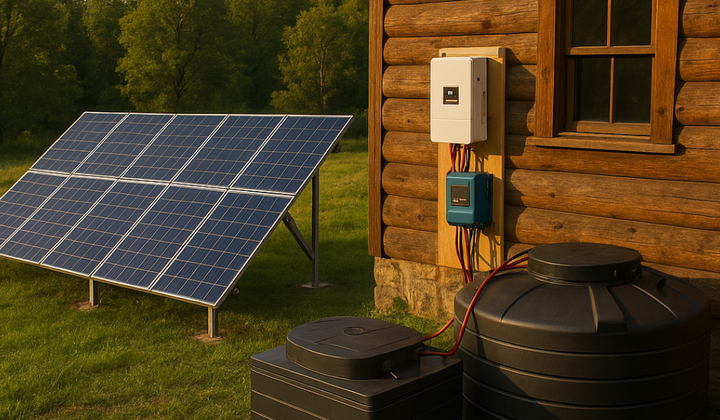
Proper installation is key to maximizing the lifespan and performance of your water storage system. Place tanks on a stable, level base—concrete pads, compacted gravel, or treated timber platforms work well. If burying a tank, ensure it’s rated for underground use and protected from root intrusion or shifting soil.
Regular maintenance includes inspecting for leaks, cleaning out sediment, and checking fittings and seals. For potable water, periodic sanitizing is recommended. Consider adding first-flush diverters to rainwater systems to keep debris out of your tanks.
Integrating Water Storage with Off-Grid Systems
Water storage is just one part of a resilient off-grid infrastructure. Pairing your tanks with efficient collection, filtration, and distribution systems ensures safe, reliable water for all uses. Solar-powered pumps, gravity-fed lines, and drip irrigation can help you make the most of your stored supply.
For those interested in a broader approach to self-sufficiency, resources like how to live off the grid with minimal resources offer practical advice on building a sustainable lifestyle from the ground up.
And if you’re expanding your homestead, you might also want to learn about the best vegetables to grow at home to make the most of your water and land.
Frequently Asked Questions
How do I keep my off-grid water tank from freezing in winter?
Insulating your tank, burying it below the frost line, or using tank heaters can help prevent freezing. For above-ground tanks, consider wrapping them in foam insulation and using dark colors to absorb sunlight. Circulating water regularly also reduces the risk of ice buildup.
Is rainwater safe to drink from storage tanks?
Rainwater can be made safe for drinking with proper collection, filtration, and disinfection. Use a first-flush diverter to keep debris out, install a fine mesh filter, and treat the water with UV light or chlorine if needed. Always use food-grade tanks for potable water and test your supply periodically.
How often should I clean my water storage tank?
It’s best to clean tanks at least once a year, or more often if you notice sediment buildup or algae growth. Drain the tank, scrub the interior with a brush and mild bleach solution, rinse thoroughly, and refill with fresh water. Regular maintenance helps ensure water quality and extends the life of your system.
Conclusion
Choosing the right off-grid water storage tanks is a fundamental step in achieving water independence and resilience. By understanding the different types available, accurately sizing your system, and maintaining it well, you can secure a steady supply for all your homesteading needs. Combine your water strategy with smart gardening and sustainable living practices to create a thriving, self-reliant home.