Choosing to live off the grid means embracing a lifestyle that prioritizes self-sufficiency, resourcefulness, and a deep connection with nature. Whether you’re dreaming of a remote cabin or a small homestead, understanding the off-grid living basics is crucial for a successful transition. This guide covers the core skills, essential systems, and thoughtful planning required to thrive without relying on public utilities.
From generating your own power to growing food and managing water, off-grid life demands a practical approach and a willingness to learn. If you’re new to self-reliant living, it’s helpful to start with foundational knowledge and gradually build your expertise. For those interested in growing their own produce, check out this resource on how to grow onions from bulbs for step-by-step guidance on cultivating staple crops.
Key Skills for Self-Sufficient Living
Mastering a range of practical skills is at the heart of successful off-grid living. While you don’t need to be an expert in everything from day one, focusing on a few core areas will make your journey smoother and more rewarding.
- Basic Carpentry and Repairs: Building and maintaining structures, fences, and storage areas is an ongoing task. Knowing how to use hand tools, fix leaks, and make simple repairs saves time and money.
- Gardening and Food Production: Growing your own vegetables, fruits, and herbs is essential for food security. Consider starting with easy crops and expanding as your confidence grows. If space is limited, learn about how to grow vegetables in small spaces for practical tips.
- Animal Husbandry: Raising chickens, goats, or other livestock provides eggs, milk, and meat. Understanding animal care, feeding, and shelter requirements is vital for healthy, productive animals.
- First Aid and Health: With limited access to emergency services, basic first aid skills and a well-stocked kit are non-negotiable.
- Resource Management: Efficiently managing water, fuel, and food supplies helps prevent shortages and reduces waste.
Essential Systems for Off-Grid Homes
Establishing reliable systems for power, water, waste, and heating is a cornerstone of living independently. Each system requires careful planning and ongoing maintenance to ensure comfort and sustainability.

Power Generation and Storage
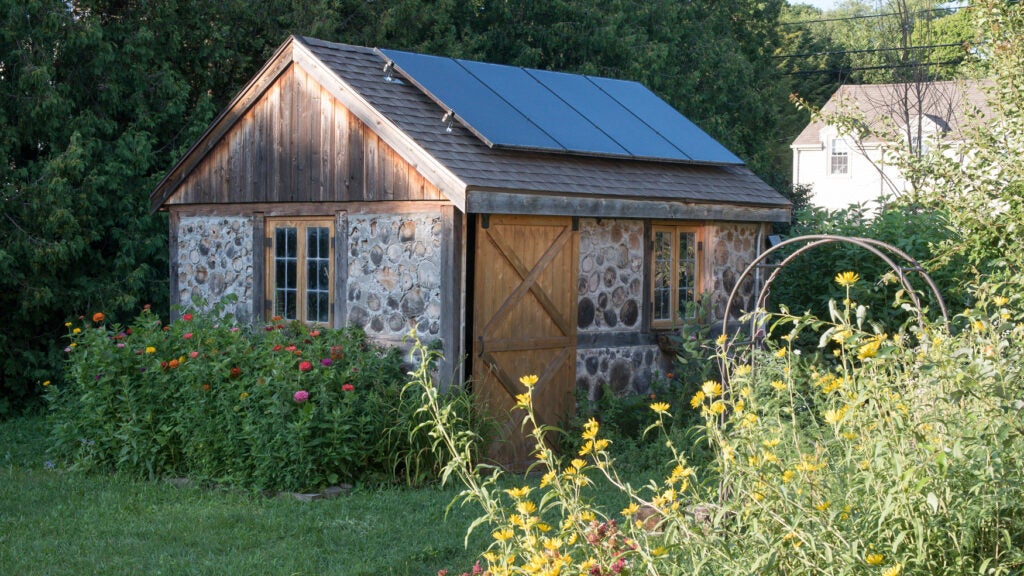
Most off-grid homes rely on a combination of solar panels, wind turbines, and backup generators. Solar energy is the most popular choice due to its reliability and decreasing costs. A typical setup includes:
- Solar panels for electricity production
- Deep-cycle batteries for energy storage
- Charge controllers and inverters to manage power flow
- Backup generators for cloudy days or emergencies
Regular maintenance of these systems is essential to avoid unexpected outages and maximize efficiency.
Water Collection and Purification
Securing a dependable water supply is fundamental. Options include:
- Rainwater harvesting systems with storage tanks
- Wells with manual or solar-powered pumps
- Filtration and purification units to ensure safe drinking water
Conserving water through low-flow fixtures and mindful usage is equally important, especially in dry climates.
Waste Management Solutions
Handling waste responsibly protects both your health and the environment. Common solutions involve:
- Composting toilets that turn waste into usable compost
- Greywater systems for reusing sink and shower water in gardens
- Recycling and minimizing trash output
Planning for waste management from the outset prevents contamination and keeps your homestead running smoothly.
Planning Your Off-Grid Journey
Transitioning to an independent lifestyle requires careful preparation. Start by assessing your needs, resources, and long-term goals. Here are some steps to guide your planning process:
- Location Selection: Consider climate, access to water, soil quality, and proximity to supplies. Remote areas offer privacy but may pose challenges for transportation and emergency services.
- Budgeting: Factor in the costs of land, building materials, energy systems, and initial supplies. Unexpected expenses are common, so include a buffer in your budget.
- Legal Considerations: Research zoning laws, building codes, and regulations for alternative systems in your area.
- Phased Implementation: Tackle projects in manageable stages. Begin with essential systems like shelter and water before expanding to gardens, livestock, or additional amenities.
For those interested in maximizing their harvest, learning about when to plant vegetables in spring can help you plan a productive garden year-round.
Food Production and Preservation
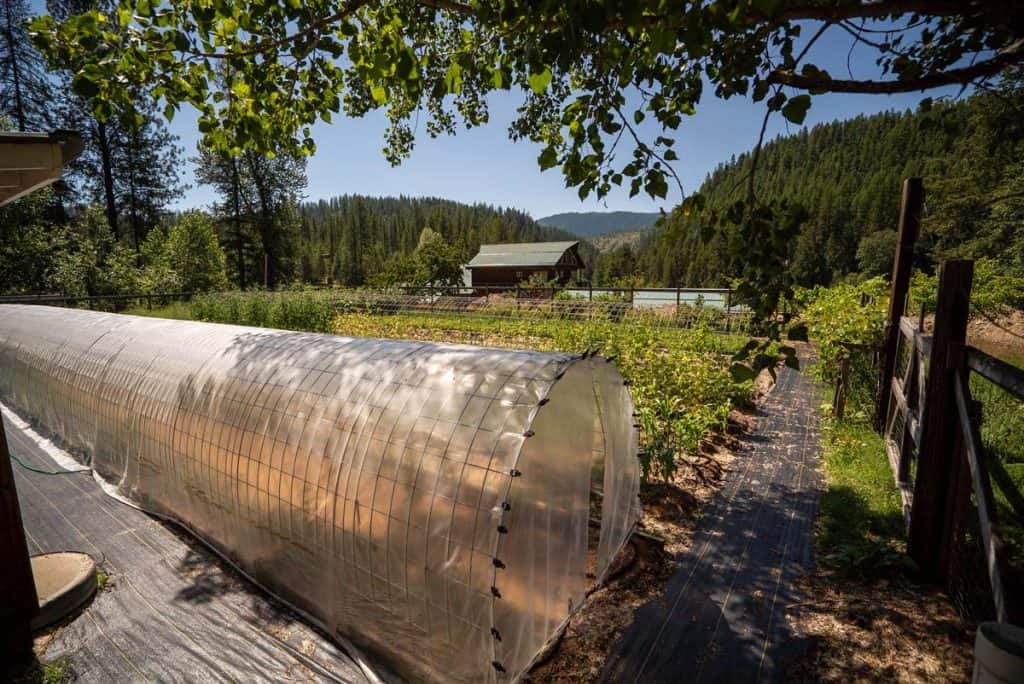
One of the most rewarding aspects of off-grid life is enjoying homegrown food. Start with a small garden and gradually expand as you gain experience. Focus on crops suited to your climate and soil, and consider companion planting for natural pest control.
Preserving your harvest through canning, drying, or fermenting ensures a steady food supply throughout the year. For inspiration, explore the best vegetables to grow at home and experiment with different preservation methods to find what works best for your household.
Building Community and Finding Support
While independence is a hallmark of off-grid living, building connections with like-minded individuals can provide valuable support and knowledge sharing. Many homesteaders participate in local bartering networks, online forums, or community events. Learning from others’ experiences can help you avoid common pitfalls and discover new techniques.
For a broader perspective on self-sufficient lifestyles, explore this comprehensive guide to homesteading essentials for practical advice and inspiration.
Common Challenges and How to Overcome Them
Living off the grid comes with unique challenges, especially in the early stages. Here are some common hurdles and tips for overcoming them:
- Weather Extremes: Prepare for storms, droughts, and temperature swings by investing in sturdy infrastructure and backup systems.
- Isolation: Maintain communication tools and emergency plans. Regularly check in with neighbors or friends.
- Learning Curve: Embrace mistakes as learning opportunities. Start small and build your skills over time.
- Resource Scarcity: Practice conservation, diversify your food sources, and keep emergency supplies on hand.
By anticipating these obstacles and planning accordingly, you’ll be better equipped to handle the realities of off-grid life.
Frequently Asked Questions
What is the most important skill for living off the grid?
Adaptability and a willingness to learn are the most critical skills. While technical abilities like gardening, carpentry, and basic electrical work are valuable, being open to problem-solving and continuous improvement will help you overcome unexpected challenges.
How much land do I need to live off-grid?
The amount of land required depends on your goals, family size, and the type of food production or livestock you plan to maintain. Many off-grid homesteaders thrive on as little as one acre, while others prefer five acres or more for greater self-sufficiency.
Can I start living off the grid gradually?
Yes, many people transition in phases. You can begin by installing solar panels, starting a garden, or collecting rainwater while still connected to some utilities. Gradually adding systems and skills makes the process less overwhelming and more sustainable.
Conclusion
Embracing the essentials of off-grid living is a rewarding journey toward self-reliance, sustainability, and a closer relationship with the land. By focusing on practical skills, reliable systems, and thoughtful planning, you can build a resilient lifestyle that meets your needs and values. For more tips on getting started, explore resources on easy vegetables for beginners to grow and continue expanding your knowledge as you go.