Bringing together chickens and a home garden can transform the way you approach sustainable living. When managed thoughtfully, chickens can help control pests, fertilize soil, and even reduce garden waste. However, successful integration requires careful planning to ensure both your flock and your plants thrive. This guide explores practical strategies, common challenges, and proven tips for combining poultry and gardening for a healthier, more productive homestead.
Whether you’re working with a backyard plot or a larger property, understanding how to balance the needs of your birds with your crops is essential. By learning how to integrate chickens with gardening, you can create a mutually beneficial system that supports both food production and animal welfare.
For those interested in maximizing yields in limited areas, check out this resource on how to grow vegetables in small spaces for ideas that pair well with poultry integration.
Benefits of Combining Chickens and Gardens
There are several advantages to merging poultry with your gardening efforts. Chickens offer natural pest control by eating insects, slugs, and even weed seeds. Their scratching behavior aerates the soil, while their manure adds valuable nutrients, enriching the earth for future crops. These benefits can reduce the need for chemical fertilizers and pesticides, making your garden more eco-friendly.
- Natural fertilizer: Chicken manure is high in nitrogen, which boosts plant growth when composted properly.
- Pest management: Birds help keep populations of beetles, grubs, and other pests in check.
- Soil improvement: Chickens’ scratching mixes organic matter into the soil, improving structure and drainage.
- Waste reduction: Kitchen scraps and garden trimmings can be fed to your flock, closing the loop on food waste.
However, to fully realize these benefits, it’s important to manage your flock’s access to garden beds and protect sensitive crops.
Planning Your Garden and Chicken Areas
Before introducing chickens to your gardening space, consider the layout and timing. Designating separate zones for poultry and plants helps prevent over-foraging and accidental damage. Movable fencing, chicken tractors, or rotational grazing systems can be used to control where and when chickens roam.
Here are some planning tips:
- Use movable chicken coops or tractors to rotate birds through different garden sections.
- Install fencing or netting around vulnerable crops, especially seedlings and leafy greens.
- Time chicken access for after harvest or during fallow periods to minimize plant loss.
- Consider perennial beds or fruit trees as areas where chickens can forage with less risk to crops.
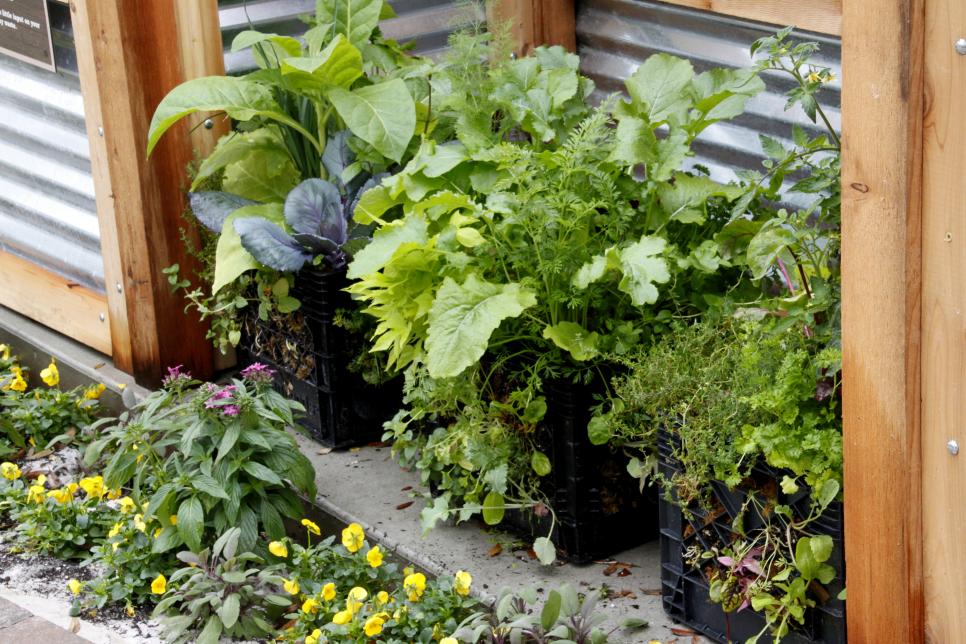
For those with limited space, container gardening can be a great solution. Learn more about this approach with guides on homesteading on a small property.
Best Practices for Integrating Chickens With Your Garden
To get the most out of combining poultry and gardening, it’s important to follow some best practices. These strategies help you avoid common pitfalls and protect both your plants and your flock.
Timing Chicken Access
Allowing chickens into garden beds at the right time is crucial. Let birds forage after the main harvest or during the off-season, when crops are dormant. This gives chickens access to leftover produce, weeds, and insects without risking damage to young plants.
Protecting Sensitive Crops
Some plants are especially vulnerable to scratching and pecking. Use fencing, row covers, or netting to shield seedlings, root crops, and leafy greens. Raised beds can also provide a physical barrier between chickens and delicate plants.
Composting Chicken Manure
While chicken manure is a powerful fertilizer, it’s too strong to apply directly to most crops. Compost it thoroughly before use to avoid burning plants and to kill pathogens. A well-managed compost pile, turned regularly, will break down manure into a safe, nutrient-rich amendment for your soil.
Rotational Grazing and Chicken Tractors
Using movable coops or chicken tractors allows you to rotate birds through different parts of the garden. This approach prevents overgrazing, distributes manure evenly, and gives soil time to recover between rotations. It’s a sustainable way to manage both your flock and your land.

Common Challenges and Solutions
While the synergy between chickens and gardens is powerful, there are some challenges to address. Chickens can be destructive if left unsupervised, and their manure needs careful management. Here are a few common issues and how to solve them:
- Over-scratching: Limit flock access to certain areas and use fencing to protect vulnerable beds.
- Crop damage: Rotate chickens through the garden only when crops are mature or beds are fallow.
- Predators: Secure your coop and runs with sturdy materials to keep birds safe from raccoons, hawks, and other threats.
- Manure management: Always compost manure before applying it to edible crops to avoid contamination.
For more tips on getting started with growing specific vegetables, you might find this guide on how to grow onions from bulbs helpful.
Maximizing Productivity With Chickens and Gardens
To make the most of your integrated system, focus on diversity and rotation. Chickens can be used to prepare new garden beds by clearing weeds and fertilizing the soil. After harvest, let them clean up leftover crops and pests. Over time, this cycle builds healthier soil and reduces the workload for gardeners.
Consider these additional tips:
- Grow a mix of annuals and perennials to provide year-round forage for chickens.
- Use cover crops in the off-season, then allow chickens to graze and incorporate them into the soil.
- Keep detailed records of flock movements, planting dates, and compost applications to track results and improve your system.
For those just starting out, choosing easy crops can simplify the process. Explore the best vegetables for beginners to grow to get your garden off to a strong start.
Frequently Asked Questions
Can chickens be left in the garden all year?
It’s best not to give chickens unrestricted access to garden beds year-round. While they are helpful for pest control and soil improvement, they can also damage young plants and over-scratch the soil. Rotate their access based on the season and crop maturity for best results.
How do I keep chickens from eating my vegetables?
Protect sensitive crops with fencing, netting, or raised beds. Only allow chickens into areas where plants are mature or after harvest. Supervised foraging and movable runs can help manage their impact.
Is chicken manure safe for vegetable gardens?
Chicken manure is an excellent fertilizer when composted thoroughly. Fresh manure is too strong and can burn plants or introduce pathogens. Compost it for several months before applying to edible crops.
Conclusion
Blending chickens with gardening offers a sustainable way to boost productivity, reduce waste, and create a healthier ecosystem in your backyard or homestead. By planning carefully, protecting vulnerable crops, and managing manure responsibly, you can enjoy the many benefits of this natural partnership. For more inspiration on timing your planting, see advice on when to plant vegetables in spring and keep building your skills as a self-sufficient grower.