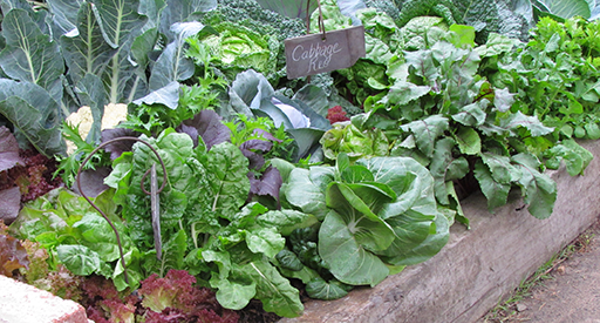
Urban gardening has become increasingly popular as more people look to enjoy fresh, homegrown produce even when outdoor space is limited. Whether you have a balcony, patio, rooftop, or just a sunny windowsill, you can successfully cultivate a variety of vegetables in compact environments. This guide will walk you through how to grow vegetables in small spaces, offering practical tips and strategies for maximizing yields and making the most of every square foot.
With the right approach, small-space gardening can be both productive and rewarding. You’ll learn about container choices, soil quality, plant selection, and essential care techniques. For those interested in expanding their gardening knowledge, you might also find value in exploring when to plant vegetables in spring to ensure optimal timing for your crops.
Getting Started: Assessing Your Space and Light
Before planting, take a close look at the available areas in your home or apartment. Sunlight is the most critical factor for vegetable growth. Most edible plants require at least six hours of direct sunlight daily. Observe your space throughout the day to determine where the sunniest spots are—these will be ideal for your containers or raised beds.
Don’t overlook vertical surfaces, windowsills, or railings. Hanging baskets, wall-mounted planters, and shelves can help you utilize vertical space, allowing you to grow more in less area. If your space is shaded, focus on leafy greens and herbs, which generally tolerate lower light better than fruiting vegetables.
Choosing the Right Containers for Urban Gardening
One of the keys to growing vegetables in small spaces is selecting suitable containers. The type and size of container you use will influence which vegetables you can grow and how well they thrive. Here are some popular options:
- Pots and Planters: Available in various materials and sizes. Ensure they have drainage holes to prevent waterlogging.
- Raised Beds: Ideal for patios or rooftops, raised beds offer more soil depth and can be customized to fit your space. Consider using a raised planter bed for convenience and productivity.
- Window Boxes: Perfect for herbs and shallow-rooted greens, these fit well on windowsills or balcony railings.
- Grow Bags: Lightweight and flexible, grow bags can be moved as needed and are excellent for root vegetables and tomatoes.
Always choose containers that are large enough for the mature size of the plant and deep enough to support healthy root systems. Deeper containers retain moisture better, which is especially important in hot urban environments.
Soil and Fertility: Building a Healthy Foundation
Quality soil is essential for success in compact gardens. Use a high-quality potting mix designed for vegetables, as garden soil is often too dense for containers. Look for mixes that include compost, coconut coir, or peat moss for moisture retention and aeration.
Since nutrients are limited in small containers, regular feeding is important. Use an organic liquid fertilizer or slow-release pellets according to package instructions. Monitor soil moisture frequently, as containers dry out faster than in-ground beds. A soil moisture meter can help you avoid over- or under-watering, which is a common issue in urban gardens.
Best Vegetables for Small-Space Growing
Not all vegetables are equally suited to compact gardening. Focus on crops that are productive, have a small footprint, or can be harvested repeatedly. Here are some top choices:
- Leafy Greens: Lettuce, spinach, arugula, and kale grow quickly and can be harvested multiple times.
- Herbs: Basil, parsley, cilantro, chives, and mint thrive in pots and add fresh flavor to meals.
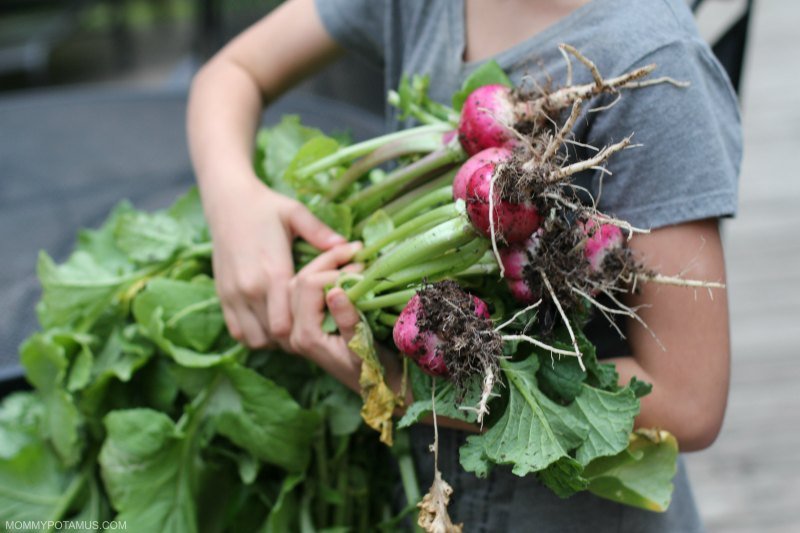
- Radishes and Carrots: Choose shorter varieties for containers; they mature quickly and don’t require much space.
- Tomatoes: Look for dwarf or bush varieties. Cherry tomatoes are especially productive in pots.
- Peppers: Both sweet and hot peppers do well in containers with plenty of sun.
- Green Beans: Bush types are compact, while pole beans can be grown vertically with a trellis.
If you’re interested in expanding your options, check out the best vegetables to grow at home for more ideas tailored to home gardeners.
Maximizing Yields with Vertical Gardening
One of the most effective ways to increase production in a limited area is by growing upwards. Vertical gardening uses trellises, cages, and supports to train plants off the ground, freeing up valuable floor space. This method works well for vining crops like cucumbers, pole beans, and peas. Wall-mounted planters and pocket gardens are also excellent for herbs and greens.
When using vertical systems, ensure that your containers are stable and that the structure can support the weight of mature plants. Secure trellises to railings or walls as needed, and select varieties bred for compact or vertical growth.
Companion Planting and Pest Management in Compact Gardens
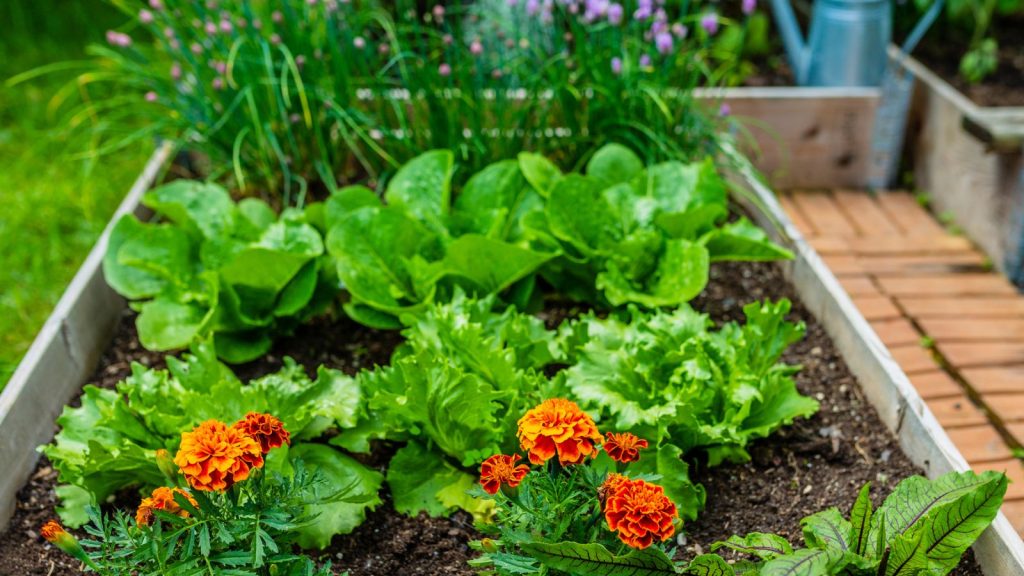
Growing vegetables in tight quarters makes pest management and plant health even more important. Companion planting—growing certain plants together for mutual benefit—can help deter pests and boost yields. For example, marigolds are known to repel aphids and nematodes, while basil can improve the flavor and growth of tomatoes.
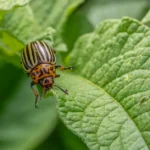
Regularly inspect your plants for signs of pests or disease. Remove damaged leaves promptly, and use organic pest control methods when possible. Good air circulation, proper spacing, and clean containers will help prevent many common problems.
Watering and Maintenance Tips for Urban Vegetable Gardens
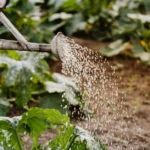
Consistent watering is crucial in small-space gardening, as containers dry out quickly, especially during hot weather. Water deeply until excess drains from the bottom, and check soil moisture daily. Using mulch on top of the soil can help retain moisture and reduce temperature fluctuations.
Fertilize regularly, prune as needed, and harvest crops frequently to encourage continued production. If you’re new to gardening, you may find this beginner’s guide to vegetable gardening helpful for additional tips and troubleshooting advice.
Seasonal Considerations and Succession Planting
Urban gardeners can make the most of limited space by practicing succession planting—sowing new crops as soon as old ones are harvested. This keeps containers productive throughout the growing season. Start with cool-season crops like lettuce and radishes in early spring, then switch to heat-loving vegetables such as peppers and tomatoes as temperatures rise.
In fall, return to greens and root vegetables for a final harvest before winter. By planning ahead and rotating crops, you’ll maximize your harvests and keep your small garden thriving year-round.
Frequently Asked Questions
What are the easiest vegetables to grow in containers?
Leafy greens like lettuce and spinach, herbs such as basil and parsley, radishes, and bush varieties of tomatoes and beans are among the simplest and most reliable choices for container gardening.
How often should I water my small-space vegetable garden?
Container gardens typically require daily watering during hot or windy weather. Always check the soil moisture before watering, and aim to keep the soil consistently moist but not soggy.
Can I grow root vegetables in a small urban garden?
Yes, many root crops like radishes, carrots (especially short varieties), and beets can thrive in deep containers or grow bags. Ensure the soil is loose and free of stones for the best results.
Conclusion
Urban gardening offers a practical way to enjoy fresh produce even when space is at a premium. By selecting the right containers, using quality soil, choosing compact or high-yield crops, and employing vertical and succession planting techniques, you can create a productive vegetable garden almost anywhere. For those interested in expanding their gardening skills, resources like how to grow onions from bulbs provide step-by-step instructions for specific crops. With a bit of planning and regular care, your small-space garden can yield delicious, healthy vegetables all season long.