Getting the timing right for planting vegetables in spring is one of the most important steps for a successful garden. The difference between a thriving harvest and a disappointing season often comes down to knowing when to plant vegetables in spring for your specific region and crops. While it may be tempting to start as soon as the weather warms, careful planning ensures your seeds and seedlings have the best chance to grow strong and healthy.
Spring gardening is about more than just putting seeds in the ground. It involves understanding your local climate, frost dates, soil conditions, and the unique needs of each vegetable. By learning how to time your plantings, you can maximize your yields, reduce pest and disease problems, and enjoy a longer, more productive growing season.

If you’re interested in sustainable living, you might also enjoy exploring modern homesteading eco friendly living guide for tips on making your garden and home more environmentally friendly.
Understanding Spring Planting Windows
The optimal time to start planting vegetables in spring depends on several factors, including your local climate, the last expected frost date, and the specific crops you want to grow. Most vegetables fall into two main categories: cool-season and warm-season crops. Each group has its own preferred planting window.
- Cool-season vegetables (like lettuce, spinach, peas, and broccoli) can be planted before the last frost. These crops thrive in cooler soil and air temperatures.
- Warm-season vegetables (such as tomatoes, peppers, cucumbers, and beans) should be planted after the danger of frost has passed and the soil has warmed up.
Knowing which category your chosen vegetables fall into helps you plan your garden calendar and avoid losses from unexpected cold snaps.
Determining Your Last Frost Date
One of the most reliable ways to decide when to plant vegetables in spring is by referencing your region’s average last frost date. This date marks the point after which frost is unlikely, making it safer to plant tender crops outdoors. You can find this information through local extension offices, gardening apps, or online resources.
Keep in mind that frost dates are averages, not guarantees. Weather can be unpredictable, so it’s wise to monitor forecasts and be prepared to protect young plants if a late frost threatens.
Soil Temperature and Preparation
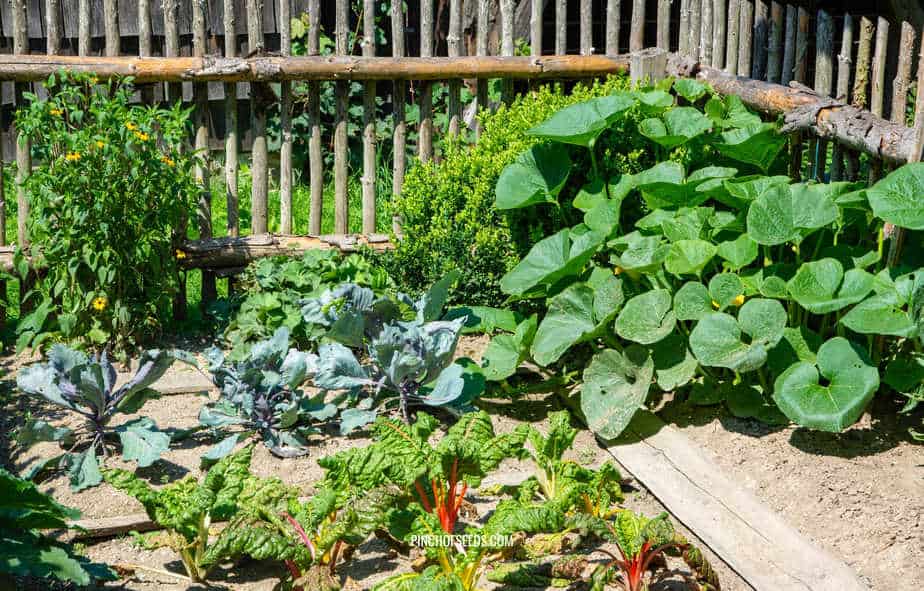
Soil temperature is just as important as air temperature when it comes to spring planting. Many seeds will not germinate, or will rot, if planted in soil that is too cold and wet. For example, beans and corn need soil temperatures above 60°F (16°C) to sprout reliably, while peas and spinach can handle cooler soils.
To check your soil temperature, use a soil thermometer or a soil moisture meter with a temperature feature. Prepare your beds by removing weeds, loosening the soil, and adding compost or organic matter to improve fertility and drainage. Well-prepared soil warms up faster and supports healthy root development.
Direct Sowing vs. Transplanting
Some vegetables are best started directly in the garden, while others benefit from being started indoors and transplanted after the weather warms. Understanding which method works for each crop can help you make the most of your spring planting window.
- Direct sowing: Root crops like carrots, beets, and radishes, as well as peas and beans, are usually sown directly in the ground.
- Transplanting: Tomatoes, peppers, eggplants, and many herbs are often started indoors 6–8 weeks before the last frost and moved outside once conditions are right.
Transplanting gives warm-season crops a head start, especially in regions with shorter growing seasons.
Regional Considerations for Spring Vegetable Planting
Climate plays a major role in determining the best time to start your garden. Gardeners in the South may begin planting weeks or even months before those in the North. Elevation, proximity to large bodies of water, and urban heat islands can also affect local conditions.
For personalized advice, consult local gardening groups, cooperative extension offices, or use online planting calendars tailored to your zip code. These resources can help you fine-tune your schedule for optimal results.
If you’re interested in building a more resilient homestead, you might want to read about modern homesteading biodiversity importance to understand how diverse plantings can benefit your garden ecosystem.
Sample Spring Planting Schedule
Below is a general guideline for timing popular vegetables in a temperate climate. Adjust these dates based on your local frost schedule:
| Vegetable | Planting Method | Weeks Before/After Last Frost |
|---|---|---|
| Peas | Direct Sow | 4–6 weeks before |
| Spinach | Direct Sow | 4–6 weeks before |
| Carrots | Direct Sow | 2–4 weeks before |
| Tomatoes | Transplant | 1–2 weeks after |
| Peppers | Transplant | 2 weeks after |
| Beans | Direct Sow | 1–2 weeks after |
| Cucumbers | Direct Sow/Transplant | 2 weeks after |
Always refer to seed packets for specific instructions, as varieties can differ in their requirements.
Tips for Success When Starting a Spring Garden
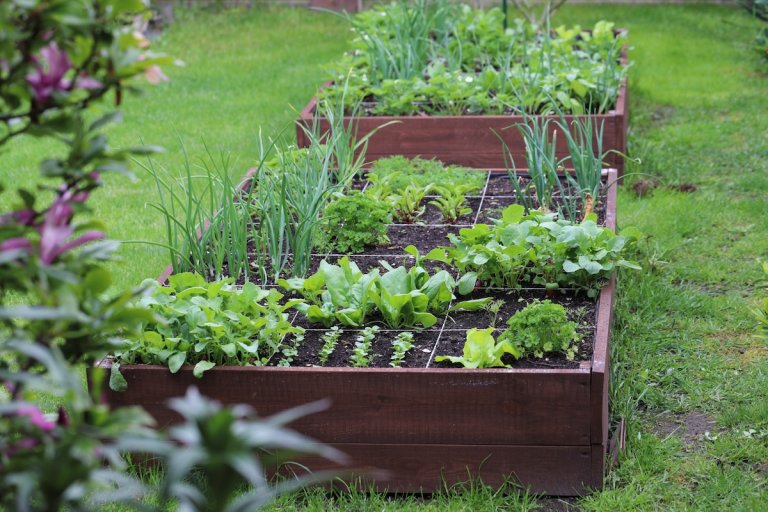
- Use raised beds or containers to help soil warm up faster and drain better in early spring.
- Cover soil with black plastic or row covers to speed up warming and protect seedlings from cold snaps.
- Stagger plantings every 1–2 weeks for crops like lettuce and radishes to enjoy a continuous harvest.
- Water consistently, but avoid overwatering cold, wet soil to prevent rot.
- Keep a garden journal to track planting dates, weather patterns, and crop performance for future reference.
For more step-by-step advice, check out this comprehensive guide to starting a veggie garden from scratch.
Frequently Asked Questions
How do I know if my soil is ready for spring planting?
Soil is ready when it is no longer soggy and can be worked without clumping. A handful should crumble easily. Testing with a soil thermometer ensures the temperature is suitable for your chosen crops.
Can I plant vegetables before the last frost date?
Yes, many cool-season crops such as peas, spinach, and kale can be sown before the last frost. Always check seed packets and local guidelines for the best timing in your area.
What should I do if a late frost is predicted after planting?
If a late frost is forecasted, protect young plants with row covers, cloches, or even old sheets overnight. Remove covers during the day to allow sunlight and air circulation.
Is it better to start seeds indoors or buy seedlings?
Starting seeds indoors gives you more control over varieties and timing, but buying seedlings is convenient and saves time. Choose the method that fits your schedule and gardening goals.
With careful planning and attention to timing, your spring vegetable garden can provide abundant harvests and a rewarding experience throughout the growing season.