Adapting your homestead to changing weather patterns is more important than ever. With unpredictable seasons, hotter summers, and shifting rainfall, modern homesteaders face new challenges in growing food, raising animals, and managing land. By embracing practical strategies and resilient systems, you can help your homestead thrive despite climate uncertainties. This guide covers essential modern homesteading climate adaptation tips to make your land, garden, and livestock more resilient for the future.
For those looking to strengthen their property boundaries and protect gardens or livestock, the modern homesteading fencing guide offers valuable insights into choosing and maintaining the right fence for your needs.
Building Resilient Gardens for a Changing Climate
One of the most effective ways to adapt is by rethinking your garden design and crop choices. Weather extremes—such as drought, heatwaves, and heavy rain—can stress plants and reduce yields. Consider these approaches for a more climate-resilient garden:
- Diversify your crops: Grow a mix of annuals and perennials, and select varieties known for tolerance to drought, heat, or cold. This increases your chances of a successful harvest even if one crop fails.
- Mulch heavily: Applying organic mulch conserves soil moisture, moderates temperature, and suppresses weeds. It also improves soil health over time.
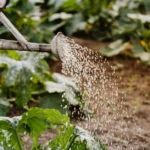
- Practice water-wise gardening: Install drip irrigation or soaker hoses to deliver water directly to roots, reducing evaporation. Collect rainwater in barrels for supplemental watering during dry spells.
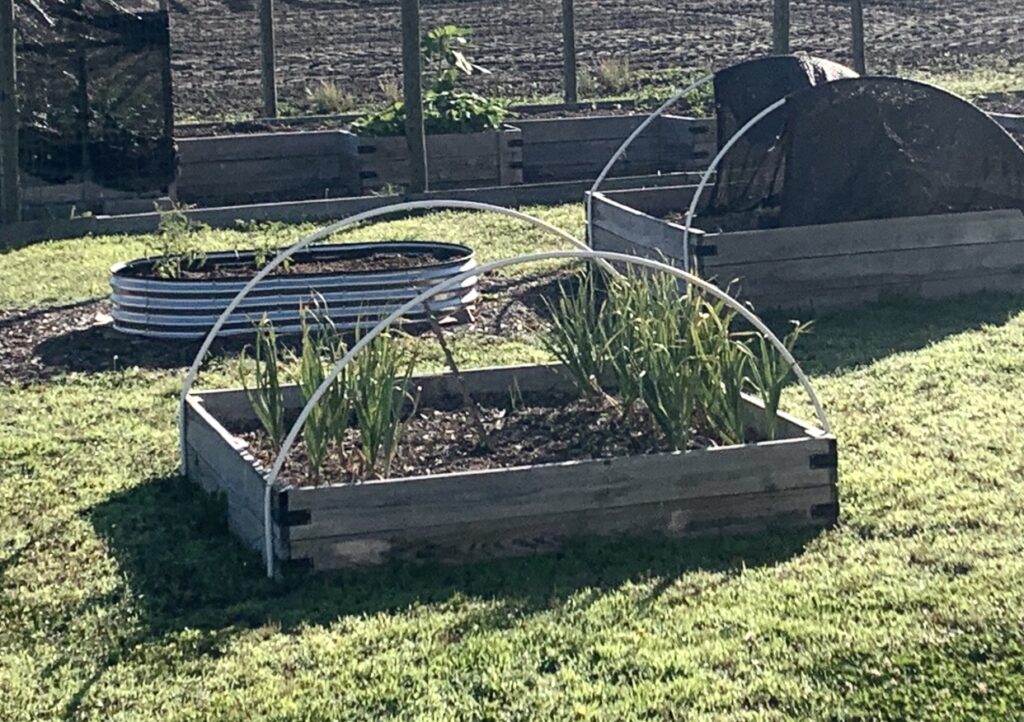
- Use shade structures: Shade cloth, trellises, or even strategically planted trees can protect sensitive crops from intense sun and heat.
- Build raised beds: Raised beds improve drainage during heavy rains and warm up faster in spring, extending your growing season.
Livestock Management Strategies for Climate Resilience
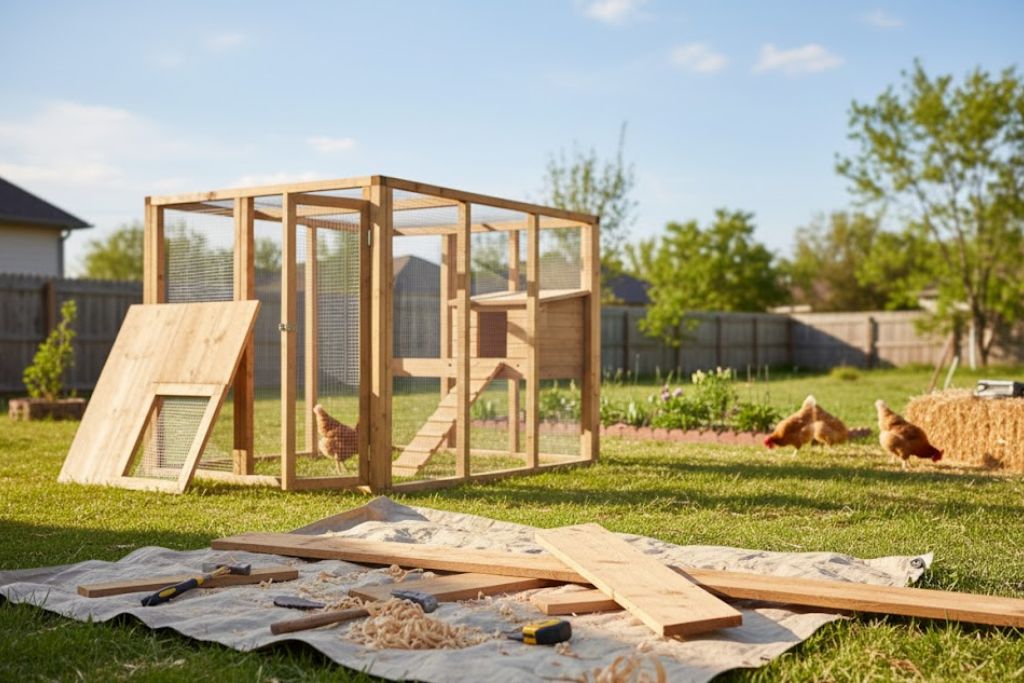
Raising animals on your homestead requires careful planning as weather patterns shift. Heat stress, water shortages, and changing forage quality can all impact animal health and productivity. Here are some climate adaptation tips for homesteaders with livestock:
- Provide ample shade and ventilation: Trees, shelters, and well-ventilated coops or barns help animals stay cool during heatwaves.
- Ensure reliable water sources: Install automatic waterers, check for leaks, and keep troughs clean. Consider backup water storage for emergencies.
- Rotate pastures: Rotational grazing helps maintain healthy forage, prevents overgrazing, and improves soil resilience to drought or heavy rain.
- Choose hardy breeds: Select animal breeds known for their adaptability to local climate extremes and disease resistance.
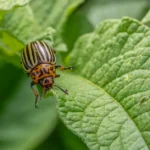
- Monitor for pests and diseases: Warmer, wetter conditions can increase parasite and disease pressure. Regularly inspect animals and use integrated pest management practices.
Water Conservation and Management on the Homestead
Water is a critical resource for any homestead, and climate change can make it less predictable. Implementing smart water management practices can help you weather both droughts and floods:
- Harvest rainwater: Set up gutters and barrels to collect rain from rooftops for use in gardens or livestock areas.
- Improve soil structure: Add organic matter to increase your soil’s ability to absorb and hold water, reducing runoff and erosion.
- Contour your land: Swales, berms, and terraces slow water movement, allowing more to soak in and reducing erosion during heavy rains.
- Fix leaks promptly: Regularly check hoses, pipes, and irrigation systems to prevent water waste.
Soil Health and Carbon Sequestration for Adaptation
Healthy soil is the foundation of a resilient homestead. By focusing on soil health, you not only boost productivity but also help buffer your land against climate extremes. Here’s how:
- Practice no-till or low-till gardening: Disturbing soil less helps preserve structure, retain moisture, and build organic matter.
- Grow cover crops: Planting cover crops in the off-season protects soil from erosion, adds nutrients, and supports beneficial soil microbes.
- Compost regularly: Adding compost improves fertility, water retention, and resilience to drought or heavy rain.
- Encourage biodiversity: A diverse mix of plants and soil organisms creates a more stable and productive ecosystem.
Community Connections and Learning Resources
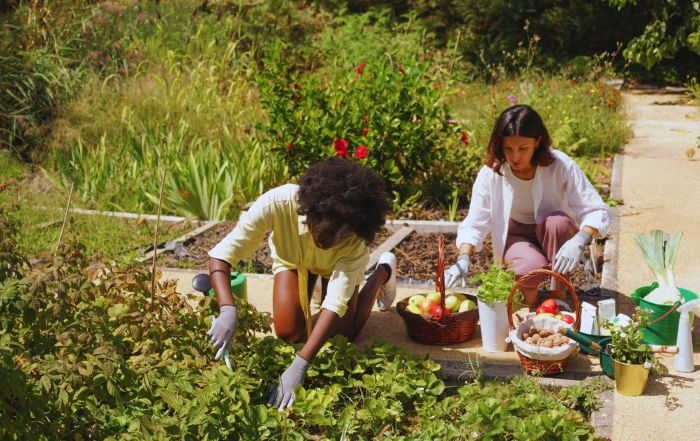
Adapting to climate change is easier when you’re not doing it alone. Connect with other homesteaders, join local gardening or farming groups, and seek out educational resources. Sharing experiences and solutions can help everyone become more resilient. For a broader perspective on sustainable living and adaptation, the all about homesteading guide provides additional background and tips for beginners and experienced homesteaders alike.
Don’t overlook the value of learning from your own land. Keep a homestead journal to track weather patterns, planting dates, harvests, and challenges. Over time, this record will help you spot trends and fine-tune your adaptation strategies.
Integrating Adaptation Into Daily Routines
Making your homestead more resilient doesn’t have to mean a complete overhaul. Small, consistent changes can add up over time. Consider incorporating adaptation strategies into your regular routines:
- Check weather forecasts daily and adjust chores or planting schedules accordingly.
- Inspect fences, water systems, and animal shelters regularly for weather-related wear or damage.
- Review your modern homesteading daily chores list to ensure it includes climate resilience tasks, such as mulching, water checks, and pest monitoring.
- Set aside time each season to review what worked, what didn’t, and what you might change for next year.
Frequently Asked Questions
What are the most effective ways to conserve water on a homestead?
Some of the best methods include harvesting rainwater, using drip irrigation, mulching garden beds, and improving soil organic matter. These steps help reduce water waste and keep plants healthy during dry periods.
How can I protect my animals from extreme weather?
Provide shade, shelter, and plenty of fresh water. Choose animal breeds suited to your climate, and rotate pastures to maintain healthy forage. Regularly inspect animals for signs of heat stress or illness, especially during heatwaves or cold snaps.
Which crops are best for unpredictable weather conditions?
Look for resilient varieties that tolerate drought, heat, or cold. Perennials, deep-rooted vegetables, and native plants often perform well under variable conditions. Diversifying your crops increases your chances of a successful harvest.
Conclusion
Adapting your homestead to the realities of climate change is an ongoing process. By focusing on resilient gardens, smart water management, healthy soils, and community connections, you can build a more sustainable and productive homestead for years to come. Stay observant, keep learning, and don’t hesitate to reach out to fellow homesteaders for support and inspiration. With these modern homesteading climate adaptation tips, your land and lifestyle can remain productive and rewarding, no matter what the weather brings.