Building a home away from the grid is a dream for many seeking independence, sustainability, and a simpler lifestyle. However, the process can seem overwhelming—especially when cost is a major concern. If you’re searching for the cheapest way to build off-grid house and want practical, actionable advice, you’re in the right place. This guide covers affordable building methods, essential planning steps, and smart strategies to help you create a comfortable, self-sufficient home without breaking the bank.
From selecting the right land to choosing cost-effective materials and systems, there are many ways to keep expenses low while still achieving your off-grid goals. We’ll also highlight helpful resources, such as the modern homesteading budgeting tips guide, to support your journey toward a frugal and functional homestead.
Key Steps to Affordable Off-Grid Home Construction
Keeping costs low starts with careful planning and a willingness to do things differently. Here are the most important steps for anyone aiming to create a budget-friendly, off-grid dwelling:
- Choose land wisely: Look for affordable, unrestricted parcels with natural resources like water and timber.
- Opt for simple designs: Smaller footprints and basic layouts reduce material and labor costs.
- Use reclaimed or local materials: Salvaged wood, recycled windows, and stone can dramatically cut expenses.
- DIY as much as possible: Sweat equity is one of the biggest money-savers for off-grid projects.
- Prioritize essential systems: Focus on water, shelter, and heat before adding extras.
Affordable Building Methods for Off-Grid Living
There are several construction techniques that align well with the goal of minimizing expenses. Each has its own pros and cons, but all can be adapted for off-grid use.
1. Tiny Houses and Small Cabins
Downsizing is one of the fastest ways to save money. Tiny homes and compact cabins require fewer materials, are easier to insulate, and can often be built on skids or trailers to avoid costly foundations. Many off-grid enthusiasts start with a small structure and expand over time as resources allow.
2. Shipping Container Homes
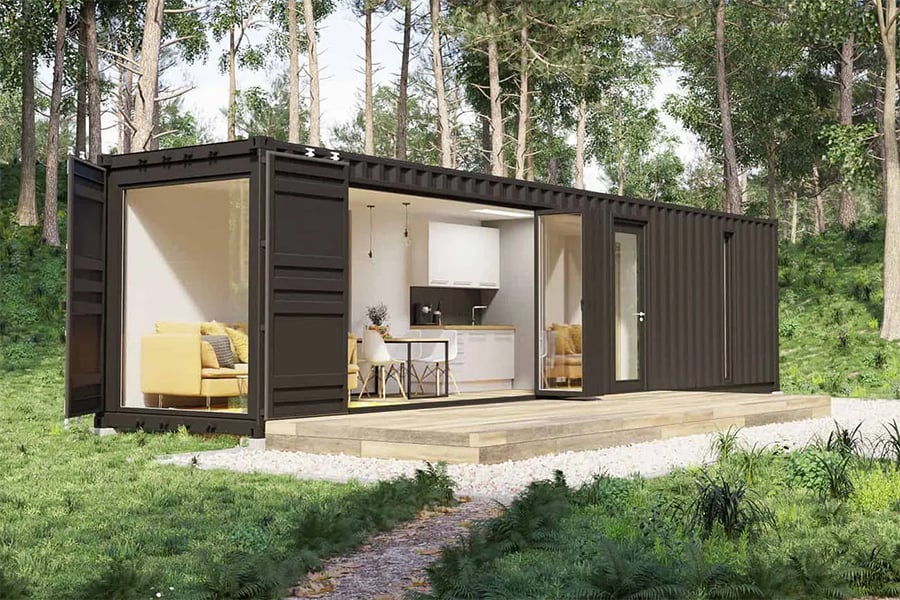
Repurposed shipping containers offer a sturdy, modular, and relatively inexpensive base for off-grid homes. They are widely available and can be stacked or combined for more space. Insulation and ventilation are crucial, but with some creativity, container homes can be both comfortable and cost-effective.
3. Earthbag and Cob Construction
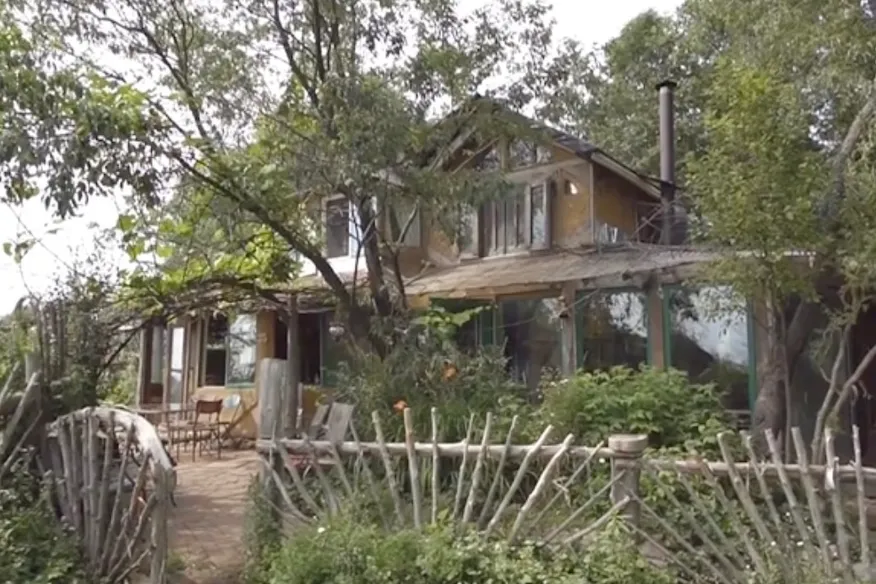
Natural building methods like earthbag or cob use locally sourced soil, sand, and clay. These techniques require more labor but little cash outlay, making them ideal for those willing to invest time instead of money. The resulting structures are energy-efficient and blend seamlessly with the landscape.
4. Reclaimed and Salvaged Materials
Scavenging for reusable materials—old barn wood, windows, doors, and even fixtures—can dramatically reduce your building budget. Many off-grid builders find free or low-cost supplies through classified ads, demolition sites, or local salvage yards.
Essential Off-Grid Systems on a Budget
Beyond the structure itself, living off the grid requires systems for water, power, and waste. Here’s how to keep these essentials affordable:
- Water: Rainwater harvesting is one of the most cost-effective solutions. Simple gutter systems and storage tanks provide a steady supply for household use and gardening.
- Power: Start small with solar panels or a basic wind turbine. Used panels and DIY battery banks can save thousands compared to turnkey systems.
- Waste: Composting toilets and greywater systems are inexpensive alternatives to septic tanks and reduce environmental impact.
- Food production: Growing your own food in raised beds or small gardens can cut grocery bills and increase self-sufficiency. Consider investing in a raised garden bed to get started quickly.
Budget-Friendly Land Selection Tips
The price and suitability of your land will have a huge impact on your overall costs. Here are some tips for finding affordable property:
- Look for rural areas with fewer zoning restrictions.
- Consider land with existing infrastructure, such as a well or driveway, to save on installation costs.
- Check for natural resources like timber or stone that can be used in construction.
- Research local regulations to avoid costly surprises.
For more advice on property selection and fencing, the modern homesteading fencing guide offers practical insights tailored to off-grid and rural living.
DIY Projects That Save Money
Taking a hands-on approach is one of the most effective ways to reduce expenses. Many off-grid homeowners handle everything from framing and roofing to plumbing and electrical work. Online tutorials, books, and workshops make it easier than ever to learn these skills.
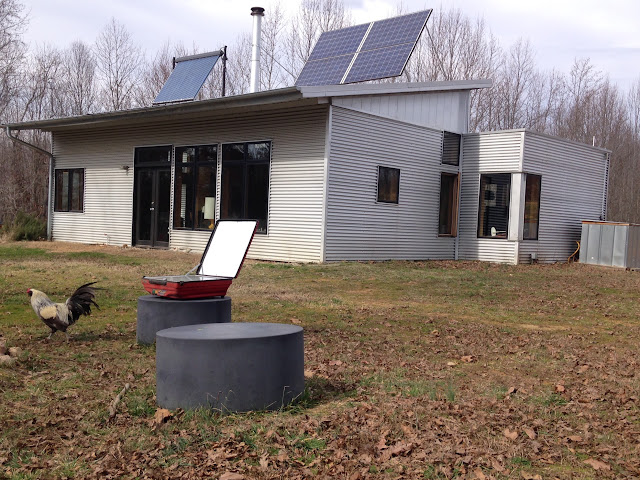
Raising chickens, growing herbs, and building your own garden beds are all excellent ways to stretch your budget. For inspiration, explore these modern homesteading herbal garden ideas to enhance your property’s productivity.
Common Mistakes to Avoid When Building Off-Grid
Even with the best intentions, it’s easy to make costly errors. Here are some pitfalls to watch out for:
- Underestimating the true cost of site preparation and infrastructure.
- Choosing a location without access to water or with poor soil quality.
- Overcomplicating the design, which increases both material and labor costs.
- Skipping permits or failing to research local codes, leading to fines or forced changes.
- Trying to do everything at once instead of prioritizing critical systems.
For more tips on what to avoid, check out the modern homesteading beginner mistakes guide, which covers common errors and how to sidestep them.
Resources for Frugal Off-Grid Builders
There’s a wealth of information available for those looking to save money while building an independent home. One excellent starting point is the ultimate guide to starting a frugal off-grid homestead, which offers a comprehensive roadmap for beginners.
Remember, the most affordable approach is often the one that combines careful planning, resourcefulness, and a willingness to learn new skills. By focusing on essentials and making smart choices at every step, you can create a comfortable and sustainable home that fits your budget.
Frequently Asked Questions
What is the most cost-effective building material for an off-grid home?
The cheapest materials are often those you can source locally or salvage for free, such as reclaimed wood, stone, or earth. Natural building methods like earthbag or cob construction use minimal purchased materials and are ideal for those willing to invest time and labor.
How much land do I need for an affordable off-grid lifestyle?
The amount of land depends on your goals. Many off-grid homes are built on small parcels (1–5 acres), which are easier to manage and less expensive. If you plan to raise livestock or grow large gardens, you may want more space, but starting small is often more manageable and affordable.
Can I build an off-grid house by myself?
Many people successfully construct their own off-grid homes, especially with simple designs and natural materials. However, some tasks (like electrical or plumbing) may require professional input or inspection. Learning basic construction skills and seeking help for specialized work can keep costs low and ensure safety.