Growing onions in limited areas is entirely possible with the right approach. Whether you have a balcony, a compact backyard, or just a few containers, you can enjoy a steady supply of fresh onions without the need for a sprawling garden. This guide covers practical strategies for small-space onion growing, including container selection, soil preparation, and maximizing yields in tight quarters.
Learning to cultivate onions efficiently in small spaces not only provides a rewarding harvest but also fits well with a modern homesteading lifestyle. If you’re interested in expanding your self-sufficiency skills, you might also find the modern homesteading herbal garden ideas helpful for companion planting and making the most of your available area.
Choosing the Right Onion Varieties for Compact Gardens
Not all onions are created equal, especially when it comes to growing in confined spaces. For small-space onion growing, opt for varieties that are well-suited to containers or raised beds. Bunching onions (also known as scallions or green onions) and smaller bulb types like ‘Purplette’ or ‘White Lisbon’ are excellent choices. These types mature quickly and don’t require as much room as larger storage onions.
Day length is another factor to consider. Short-day onions are ideal for southern regions, while long-day types thrive in the north. Intermediate-day onions offer flexibility and can perform well in many climates, making them a safe bet for container gardeners who may want to experiment.
Container and Soil Essentials for Onion Success
One of the keys to thriving onions in limited areas is selecting the right container. Onions have shallow root systems, so a depth of 8–10 inches is usually sufficient. Wide, shallow planters, fabric grow bags, and even repurposed buckets can all work well. Ensure your chosen container has adequate drainage to prevent waterlogging, which can lead to rot.
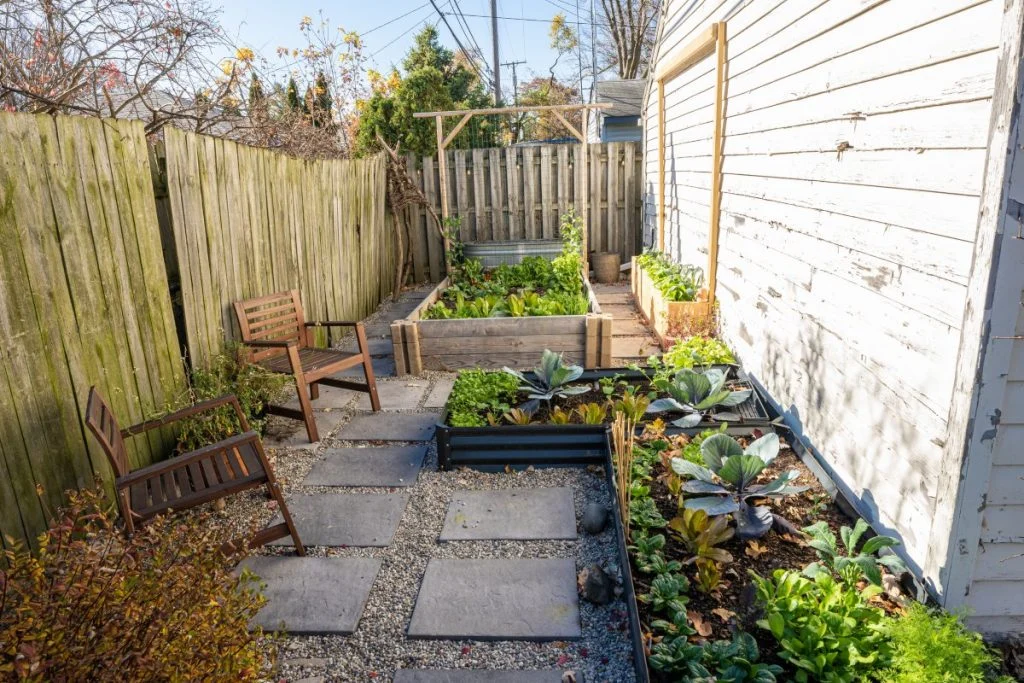
For soil, use a loose, well-draining mix rich in organic matter. Blend compost with a high-quality potting mix to provide nutrients and retain moisture. Onions prefer a slightly acidic to neutral pH (6.0–7.0). Avoid heavy clay soils or mixes that compact easily, as these can stunt bulb development.
Efficient Planting Methods for Limited Spaces
Maximizing your harvest in a small area requires careful spacing and planting techniques. For bunching onions, you can sow seeds thickly in rows or clusters, then thin as they grow. For bulb onions, plant sets or seedlings about 3–4 inches apart in all directions. This tight spacing allows for a higher yield per square foot while still giving each plant enough room to mature.
Consider interplanting onions with other compact crops, such as lettuce or radishes. This not only saves space but can also help deter pests. If you’re interested in more ideas for making the most of your homestead, the modern homesteading beginner mistakes article offers helpful tips for new gardeners.
Care and Maintenance in Urban and Small Gardens
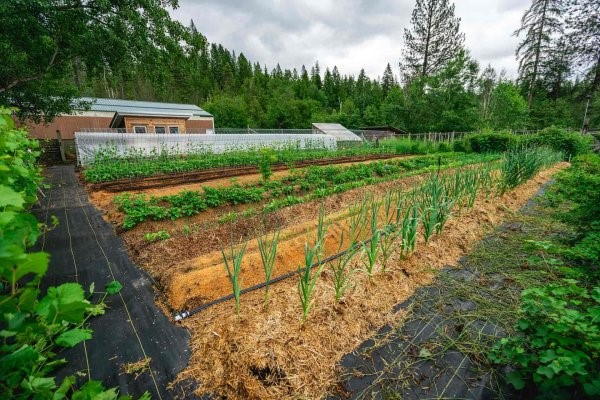
Consistent care is crucial for healthy onions in containers or raised beds. Water regularly, keeping the soil evenly moist but not soggy. Onions are shallow-rooted and can dry out quickly, especially in warm weather or on balconies exposed to wind. Mulching with straw or shredded leaves helps retain moisture and suppress weeds.
Fertilize every few weeks with a balanced, water-soluble fertilizer or a top dressing of compost. Avoid high-nitrogen fertilizers, which can encourage leafy growth at the expense of bulb formation. Monitor for pests such as onion maggots or thrips, and remove any affected plants promptly to prevent spread.
Harvesting and Storing Onions from Small Plots
Harvest timing depends on the onion type. Bunching onions can be picked as soon as they reach pencil thickness, while bulb onions are ready when the tops yellow and fall over. Loosen the soil gently and pull the onions out, then cure them in a dry, airy spot for a week or two before storage.
Store cured onions in a cool, dry, and well-ventilated area. Mesh bags, baskets, or even pantyhose can work for hanging onions and keeping them fresh for months. Use any damaged or soft bulbs first, as these won’t store as long as firm, healthy ones.
Maximizing Yields and Troubleshooting Common Issues
To get the best results from your limited space, rotate crops each year to prevent disease buildup. Avoid planting onions in the same soil where garlic or other alliums were grown the previous season. If you notice slow growth or yellowing leaves, check for overcrowding or poor drainage and adjust as needed.
Lighting can be a challenge in urban settings. If your growing area receives less than six hours of direct sunlight, consider supplementing with LED grow lights. This can make a significant difference in both yield and bulb size. For more on adapting homesteading skills to small areas, see this comprehensive guide to starting homesteading in a small space.
Integrating Onions into a Broader Homesteading Plan
Onions are a staple in many home gardens and fit seamlessly into a holistic approach to self-sufficiency. By combining them with herbs, greens, and other compact vegetables, you can create a productive mini-garden that supports a range of culinary needs. If you’re considering expanding your homesteading efforts, the modern homesteading fencing guide provides insights on protecting your crops, even in small yards.
Remember, the principles of small-space onion growing—efficient use of containers, careful variety selection, and attentive care—apply to many other crops as well. With a bit of planning, even the smallest spaces can yield impressive harvests.
Frequently Asked Questions
What is the best container size for onions in small spaces?
Choose containers that are at least 8–10 inches deep and as wide as possible to maximize planting area. Fabric grow bags and wide planters are ideal for accommodating multiple onions while ensuring good drainage.
How much sunlight do onions need when grown in containers?
Onions require at least six hours of direct sunlight daily for optimal growth. If natural light is limited, supplement with LED grow lights to encourage healthy bulb development.
Can I grow onions indoors year-round?
Yes, onions can be grown indoors if you provide sufficient light and maintain consistent moisture. Use grow lights and choose bunching or small-bulb varieties for the best results indoors.