Making the most of a compact garden or balcony requires thoughtful planning and a solid understanding of what to plant—and when. Whether you’re working with a few containers, a raised bed, or a modest patio, small-space seasonal planting guides can help you maximize yields and keep your space productive all year. This article covers practical strategies, crop suggestions, and layout ideas for every season, so you can enjoy fresh produce and vibrant blooms no matter your available square footage.
If you’re interested in expanding your homesteading skills beyond gardening, you might also find value in the modern homesteading herbal garden ideas resource, which offers creative ways to integrate herbs into small outdoor or indoor spaces.
Why Seasonal Planning Matters in Compact Gardens
In limited spaces, every inch counts. By aligning your planting schedule with the seasons, you can rotate crops, avoid overcrowding, and ensure that your containers or beds are always filled with something thriving. Seasonal planting for small gardens also helps prevent soil depletion and pest buildup, since you’re regularly changing what grows where.
Unlike larger gardens, where you might have room to let some beds rest or experiment with sprawling crops, small-scale plots demand efficiency. Following a seasonal planting guide tailored to compact spaces means you’ll get more harvests, healthier plants, and a more attractive garden throughout the year.
Spring Planting Strategies for Small Spaces
As temperatures rise and daylight increases, spring is the ideal time to set the stage for a productive year. Start by choosing fast-growing, cool-season crops that can be harvested before summer heat arrives. Some top picks for early spring include:
- Leafy greens (lettuce, spinach, arugula)
- Radishes and baby carrots
- Peas (bush or dwarf varieties)
- Herbs like cilantro, parsley, and chives
Use vertical planters, hanging baskets, or multi-tiered shelves to increase your growing area. Succession planting—sowing new seeds every couple of weeks—ensures a steady supply of fresh greens. As soon as your early crops finish, replant with summer favorites.
Summer Planting: Making the Most of Warm Weather
Summer brings longer days and warmer nights, perfect for heat-loving vegetables and herbs. In compact gardens, focus on crops that offer high yields in small spaces. Consider:
- Cherry tomatoes (dwarf or patio varieties)
- Basil, oregano, and thyme
- Peppers (compact or mini types)
- Green beans (bush or pole, trained vertically)
- Compact cucumbers (bush or trellis types)
Use trellises, cages, or stakes to grow vertically and save ground space. Group plants with similar watering and sunlight needs together for easier care. If your space is especially hot, consider providing shade during the hottest part of the day to prevent stress.
Fall and Winter: Extending the Harvest in Small Gardens
As temperatures cool, shift your focus to crops that thrive in autumn and early winter. Many leafy greens and root vegetables actually taste sweeter after a light frost. For late-season planting, try:
- Kale, Swiss chard, and collards
- Spinach and Asian greens (bok choy, tatsoi)
- Turnips and beets (small varieties)
- Radishes (quick-maturing types)
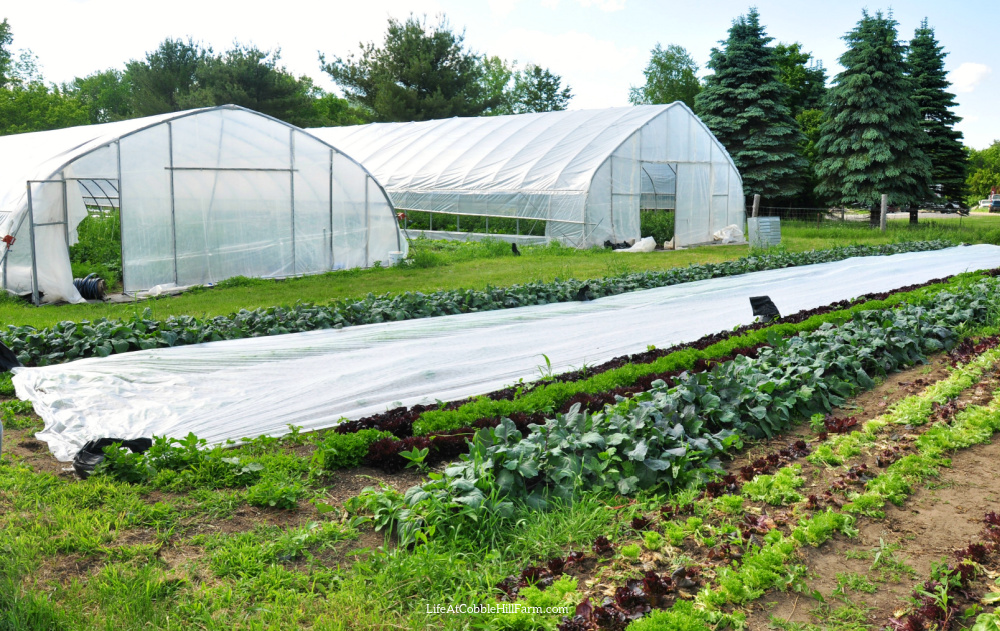
Use row covers, cold frames, or even bring containers indoors to extend your growing season. With the right protection, you can harvest fresh greens well into winter, even in a small urban garden.
Container and Vertical Gardening Tips
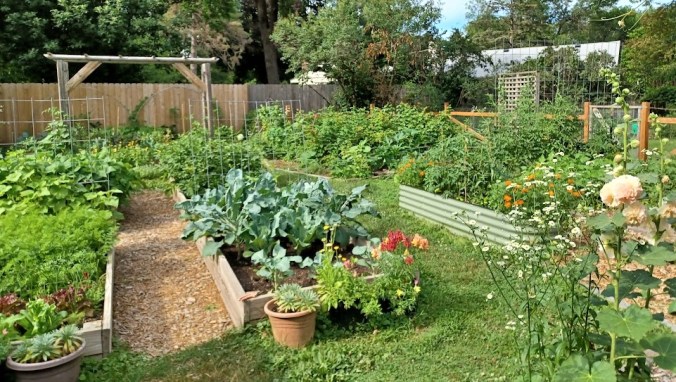
For those with minimal outdoor space, containers and vertical setups are essential. Choose pots with good drainage and opt for lightweight materials if you need to move them around. Vertical gardens—such as wall-mounted planters, stacked pots, or trellised vines—make it possible to grow more in less space.
Rotate crops between containers each season to maintain soil health. Refresh the potting mix annually and fertilize regularly, as nutrients are quickly depleted in small volumes of soil. If you’re looking for inspiration on how to set up your garden infrastructure, the modern homesteading fencing guide provides practical advice for creating supportive structures in tight spaces.
Crop Rotation and Companion Planting in Compact Gardens
Even in a small garden, rotating crops each season can help prevent disease and improve yields. Avoid planting the same family of vegetables in the same spot year after year. For example, follow tomatoes with leafy greens or root crops the next season.
Companion planting—pairing crops that benefit each other—can also boost productivity. Try growing basil with tomatoes, or lettuce under taller plants for natural shade. These techniques are especially effective in tight quarters where every plant needs to pull its weight.
Planning Your Year: Sample Seasonal Calendar
To help you get started, here’s a sample seasonal calendar for a small-space edible garden:
| Season | Suggested Crops | Key Tasks |
|---|---|---|
| Early Spring | Leafy greens, radishes, peas, herbs | Start seeds, prepare containers, succession sowing |
| Late Spring/Summer | Tomatoes, peppers, beans, basil, cucumbers | Transplant seedlings, trellis support, regular watering |
| Late Summer/Fall | Kale, spinach, beets, turnips, Asian greens | Direct sow fall crops, add mulch, use row covers |
| Winter | Hardy greens, overwintering herbs | Protect with covers, harvest as needed |
Resources for Urban and Small-Space Growers
For more ideas and practical advice, check out this comprehensive guide to starting homesteading in a small space. It covers everything from container selection to maximizing sunlight and managing water efficiently.
If you’re new to homesteading, it’s also helpful to be aware of common pitfalls. The modern homesteading beginner mistakes article highlights issues to avoid, ensuring your small garden gets off to a strong start.
Frequently Asked Questions
What are the best crops for small gardens throughout the year?
Leafy greens, herbs, radishes, and compact tomatoes are excellent for spring and summer. In fall and winter, focus on hardy greens like kale and Swiss chard, as well as root vegetables such as beets and turnips. Choose dwarf or bush varieties to maximize yields in limited space.
How can I improve yields in a small planting area?
Use vertical gardening techniques, succession planting, and companion planting to make the most of your space. Select crops with short maturity times and replant as soon as one crop finishes. Regularly refresh soil and provide adequate nutrition to keep plants healthy.
Can I grow food indoors during winter?
Yes, many leafy greens, herbs, and even some compact vegetables can be grown indoors with the help of containers and LED grow lights. Ensure your indoor garden receives enough light and monitor humidity to prevent disease.
How do I prevent pests in a small garden?
Rotate crops each season, use clean containers, and inspect plants regularly. Companion planting with pest-repelling herbs like basil and chives can also help. If pests appear, remove them by hand or use organic solutions suitable for edible plants.
With the right approach, even the smallest garden can be productive and rewarding. By following these small-space seasonal planting guides, you’ll enjoy fresh harvests and a thriving garden year-round.