Urban gardening and sustainable food production are gaining momentum, especially among those with limited room to spare. Small-space vertical aquaponics offers a practical solution for growing fresh vegetables and raising fish in compact environments—balconies, patios, or even indoors. This approach combines hydroponics and aquaculture, using vertical stacking to maximize yield per square foot.
Whether you’re a city dweller, a tiny home enthusiast, or simply want to make the most of your available area, a vertical aquaponics system can help you achieve self-sufficiency. Before diving into the setup process, it’s helpful to explore related topics like the modern homesteading fencing guide for ideas on protecting your garden and optimizing your space.
Understanding Vertical Aquaponics in Compact Areas
At its core, vertical aquaponics for small spaces is a closed-loop system that grows plants and fish together. Fish waste provides nutrients for the plants, while the plants help filter and clean the water for the fish. By stacking growing containers upward, you can fit more production into a tight footprint.
This method is especially appealing for urban gardeners or anyone with limited outdoor space. It’s possible to set up a system on a sunny balcony, a small backyard corner, or even inside with the help of grow lights. The result is a sustainable, low-waste approach to homegrown food.
Key Components of a Small-Space System
Building a successful vertical aquaponics setup in a small area requires a few essential elements:
- Fish Tank: The reservoir where fish live. Size depends on available space and the number of plants you want to grow.
- Grow Beds or Towers: Vertical structures that hold the plants. These can be made from stacked containers, PVC pipes, or commercial towers.
- Water Pump: Circulates water from the fish tank to the plants and back, ensuring nutrients reach the roots.
- Grow Media: Materials like clay pebbles or gravel that support plant roots and aid filtration.
- Lighting: Natural sunlight is ideal, but LED grow lights can supplement or replace sunlight for indoor systems.
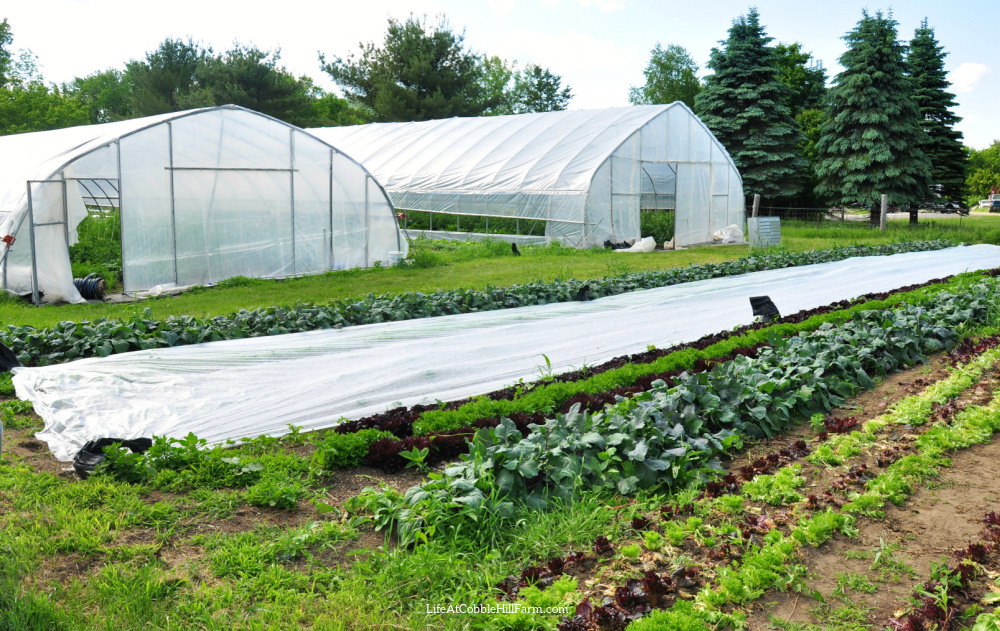
Choosing the Right Location for Your Vertical Aquaponics System
Selecting the best spot is crucial for success. Look for areas that receive at least 6 hours of sunlight daily, such as a south-facing window, balcony, or patio. If natural light is limited, supplement with full-spectrum LED grow lights to ensure healthy plant growth.
Ensure your chosen location is close to a water source and has access to electrical outlets for pumps and lighting. Good ventilation helps prevent mold and keeps both plants and fish healthy.
Step-by-Step Setup Process
Setting up a compact vertical aquaponics system is straightforward with the right materials and planning. Here’s a basic outline:
- Assemble the Fish Tank: Place your tank in the selected location. Rinse thoroughly before adding water and fish.
- Install the Vertical Grow Beds: Stack containers or assemble towers above or beside the tank. Secure them to prevent tipping.
- Add Grow Media: Fill plant containers with clay pebbles, gravel, or another inert medium.
- Set Up the Water Pump and Plumbing: Connect the pump to deliver water from the tank to the top of the vertical system. Water should trickle down through each level, returning to the tank.
- Cycle the System: Before introducing fish, run the system for a week to establish beneficial bacteria. This process, called “cycling,” helps convert fish waste into nutrients for plants.
- Add Fish and Plants: Choose hardy fish like tilapia or goldfish and fast-growing greens such as lettuce, basil, or spinach. Start with a few fish and add more gradually as the system stabilizes.
- Monitor and Maintain: Test water regularly for ammonia, nitrites, and pH. Feed fish daily and check pumps and lights to ensure everything runs smoothly.
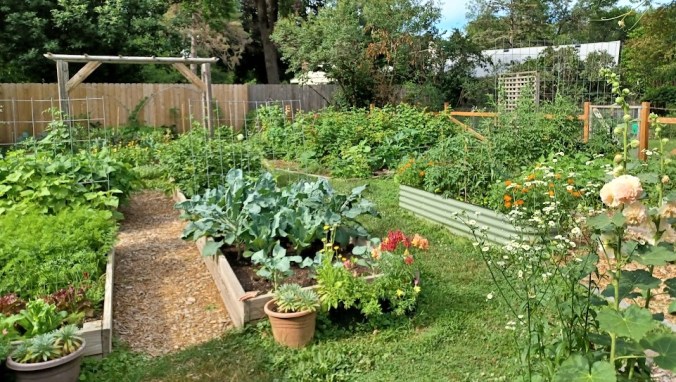
Best Plants and Fish for Vertical Aquaponics in Small Areas
Not all plants and fish are equally suited for tight, stacked systems. For best results, select species that thrive in recirculating water and limited root zones.
- Ideal Plants: Leafy greens (lettuce, kale, spinach), herbs (basil, mint, cilantro), strawberries, and dwarf tomatoes.
- Recommended Fish: Tilapia, goldfish, guppies, and koi are popular for their hardiness and adaptability.
Avoid large or aggressive fish, and steer clear of plants with extensive root systems that could clog your setup.
Maintenance Tips for Ongoing Success
Keeping your vertical aquaponics garden healthy requires regular attention:
- Test water quality weekly and adjust as needed.
- Feed fish consistently, but avoid overfeeding to prevent water quality issues.
- Prune plants to encourage airflow and prevent overcrowding.
- Check pumps, tubing, and lights for signs of wear or malfunction.
- Harvest crops regularly to keep the system productive.
For more inspiration on optimizing small homestead spaces, see this comprehensive guide to starting homesteading in a small space.
Common Challenges and How to Overcome Them
Even well-designed systems can face issues. Here are some typical problems and solutions:
- Algae Growth: Minimize light exposure to the fish tank and clean surfaces regularly.
- Clogged Pipes or Media: Rinse grow media before use and check plumbing for blockages.
- Fish Stress: Maintain stable water temperatures and avoid sudden changes in water chemistry.
- Pest Infestations: Inspect plants frequently and use organic controls if needed.
Expanding Your Homestead Skills
Once you’ve mastered a small vertical aquaponics system, consider exploring other aspects of modern homesteading. For example, you might want to learn about herbal garden ideas or discover budgeting tips for homesteaders. Each new skill adds value to your sustainable lifestyle.
Frequently Asked Questions
How much space do I need for a vertical aquaponics system?
Most small systems can fit in as little as 2–4 square feet, making them suitable for balconies, patios, or even kitchen corners. The vertical design allows you to grow more in less area.
What are the ongoing costs and maintenance requirements?
After the initial setup, costs are minimal—mainly fish food, occasional replacement parts (like pumps), and electricity for lights and water circulation. Regular maintenance includes feeding fish, testing water, pruning plants, and cleaning components.
Can I use tap water in my aquaponics system?
Tap water is usually fine, but it’s important to dechlorinate it before adding fish. Let water sit for 24–48 hours or use a water conditioner to remove chlorine and chloramine.
Conclusion
A small-space vertical aquaponics system is an efficient, sustainable way to grow fresh produce and raise fish, even in the tightest quarters. With careful planning, the right materials, and regular maintenance, anyone can enjoy the benefits of homegrown food year-round. By stacking your garden upward, you make the most of every inch—turning even the smallest space into a thriving, productive oasis.