Urban and suburban homesteaders are increasingly interested in keeping ducks, even when yard space is limited. With the right planning and a few creative solutions, it’s entirely possible to enjoy the benefits of ducks—fresh eggs, natural pest control, and lively personalities—without a sprawling property. This article offers practical strategies for successfully managing ducks in compact environments, including tips on housing, feeding, and maintaining a healthy flock. Whether you have a small backyard, a side garden, or even just a patio, you can create a thriving environment for your feathered friends.
Before diving into the details, it’s helpful to learn from others who have maximized their homestead potential. For more inspiration on what’s achievable in limited areas, check out this guide to small homestead possibilities. And if you’re considering fencing or other aspects of modern homesteading, the modern homesteading fencing guide is a valuable resource.
Choosing the Right Duck Breeds for Limited Areas
Not all duck breeds are equally suited for small homesteads. Some varieties are more adaptable to confined quarters and produce less noise, making them ideal for neighbors and small yards. Consider these factors when selecting your flock:
- Size and temperament: Smaller breeds like Khaki Campbell, Call ducks, and Indian Runner ducks are easier to manage in compact spaces and tend to be less destructive to gardens.
- Egg production: If your goal is fresh eggs, look for breeds known for high productivity, such as Welsh Harlequin or Khaki Campbell.
- Noise level: Some ducks are quieter than others. While all ducks will make some noise, breeds like Muscovy are known for being relatively silent compared to others.
Designing Efficient Duck Housing in Tight Quarters
Creating a safe, comfortable home for your ducks is crucial, especially when space is at a premium. A well-designed coop or shelter will protect your birds from predators and the elements while making daily care easier.
- Space requirements: Ducks need about 4–6 square feet per bird inside their shelter and 10–25 square feet per bird in an outdoor run. In smaller yards, focus on maximizing vertical space and consider multi-level setups.
- Ventilation and cleanliness: Good airflow prevents respiratory issues and reduces odors. Use easy-to-clean materials and removable trays for bedding to simplify maintenance.
- Predator protection: Secure all openings with hardware cloth, and ensure doors latch tightly. Even in urban areas, raccoons and other predators can be a threat.
Managing Water and Cleanliness in Small Duck Setups
Ducks love water, but in a limited area, managing their bathing and drinking needs without creating a muddy mess is a challenge. Here are some practical solutions for keeping things tidy:
- Small pools or tubs: Instead of a large pond, use kiddie pools, sturdy containers, or even stock tanks. These are easy to dump and refill, preventing stagnant water and excessive mud.
- Drainage: Place water sources on gravel or a sloped surface to encourage runoff. Regularly move portable pools to prevent grass damage.
- Frequent cleaning: Ducks are messy, so plan to change water daily. Removable trays or gravel beds can help manage waste and keep the area dry.
Feeding Ducks When Space Is Limited
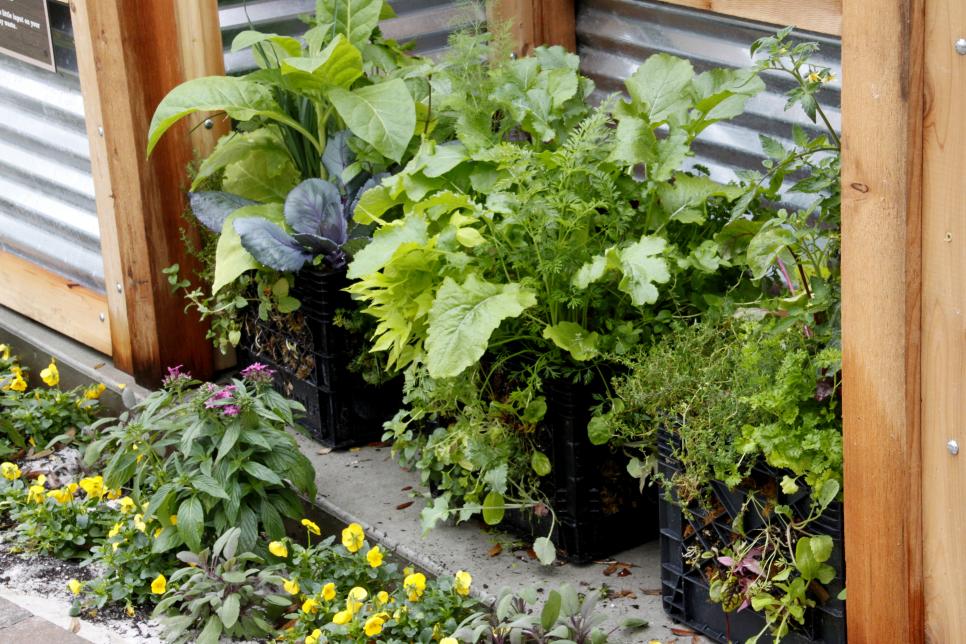
Providing a balanced diet is essential for healthy ducks, especially when they have less access to natural foraging. Commercial duck feed is a reliable staple, but you can supplement with kitchen scraps, greens, and insects. If you’re growing your own duck-friendly plants, consider using containers or vertical gardens to maximize your growing area.
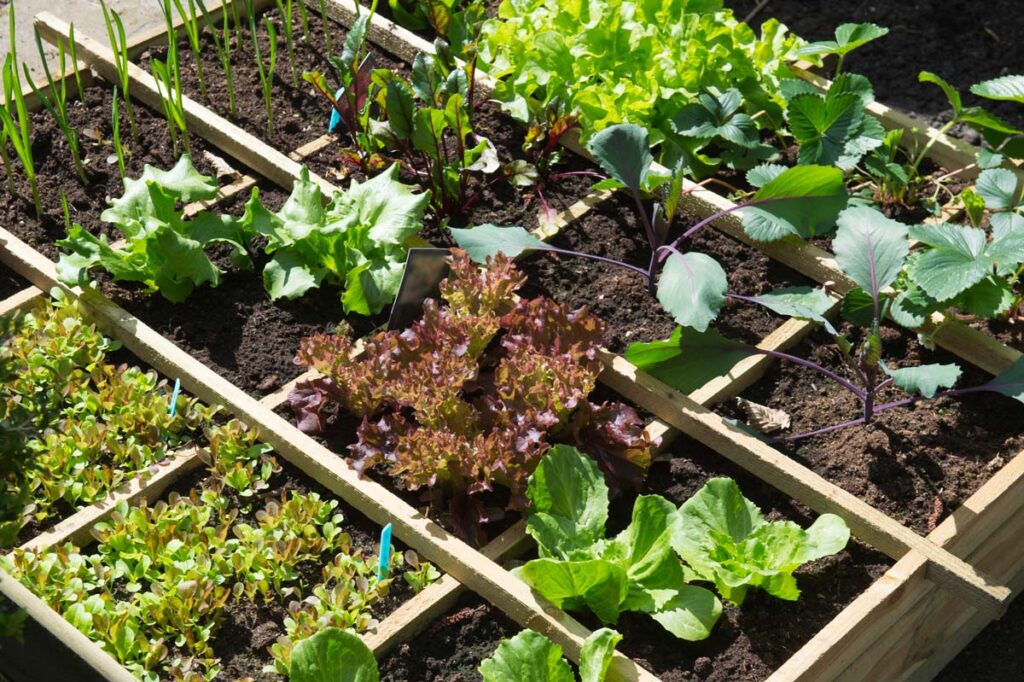
For those interested in herbal additions to their ducks’ diet or creating a more diverse backyard ecosystem, the modern homesteading herbal garden ideas article provides creative ways to integrate herbs and edible plants into small spaces.
Keeping Ducks Entertained and Healthy in Compact Yards
Ducks are intelligent and active animals. In smaller enclosures, enrichment is important to prevent boredom and encourage natural behaviors. Here are a few ideas:
- Rotate foraging areas: If possible, divide your yard or run into sections and rotate your ducks between them. This allows grass to recover and provides new areas to explore.
- Add enrichment: Simple additions like piles of leaves, shallow water pans, or treat balls can keep ducks engaged.
- Social needs: Ducks are flock animals and should never be kept alone. Even in small spaces, keep at least two ducks for companionship.
Seasonal Care and Weather Considerations
Compact setups can be more vulnerable to temperature extremes. Proper planning ensures your ducks stay comfortable year-round:
- Shade and shelter: Provide shaded areas in summer and windbreaks in winter. Insulated coops help maintain a stable temperature.
- Ventilation: Good airflow is essential, especially in humid or hot climates. Avoid overcrowding to reduce stress and heat buildup.
- Frozen water: In cold weather, check water sources frequently and use heated bowls if necessary.
Common Challenges and Solutions for Urban Duck Keepers
Raising ducks in a limited area comes with unique challenges, but most can be managed with a bit of creativity:
- Odor control: Regular cleaning, deep litter methods, and good drainage help minimize smells.
- Noise concerns: Choose quieter breeds and keep flock size manageable to avoid disturbing neighbors.
- Predators: Even in cities, raccoons, opossums, and hawks can pose risks. Secure housing is essential.
- Legal restrictions: Always check local ordinances regarding backyard poultry before starting your flock.
For more tips on avoiding common pitfalls when starting out, see this resource on modern homesteading beginner mistakes.
Frequently Asked Questions
What is the minimum space required for keeping ducks?
Each duck should have at least 4–6 square feet inside their shelter and 10–25 square feet in an outdoor run. While more space is always better, careful management and regular cleaning can make smaller setups work.
Can ducks be kept with chickens in small backyards?
Ducks and chickens can coexist, but they have different needs. Ducks require more water for bathing, and their messier habits may require more frequent cleaning. If space is tight, separate sleeping quarters and water sources are recommended.
How do I keep my ducks’ water clean in a small area?
Use small, easily emptied pools or tubs and change the water daily. Place water containers on gravel or sloped ground to improve drainage, and move them regularly to prevent muddy patches.
Are there ways to grow food for ducks in limited space?
Yes, container gardening and vertical planters can be used to grow greens, herbs, and edible flowers for your flock. For more ideas, explore herbal garden strategies for small homesteads.
What are some common mistakes to avoid when keeping ducks in small spaces?
Overcrowding, poor drainage, and inadequate predator protection are frequent issues. Plan your setup carefully, clean regularly, and always provide enough space and enrichment for your ducks to thrive.