Making the most of limited outdoor areas is a growing trend among urban and suburban homesteaders. Whether you’re raising chickens, rabbits, or other small livestock, efficient use of space is essential. Thoughtful design of small-space coops and hutches can transform even the tiniest backyard or patio into a productive, healthy environment for your animals. This article offers practical advice for planning, building, and maintaining compact animal shelters, ensuring your flock or herd thrives without overwhelming your available area.
As you explore options for maximizing your homestead’s potential, consider integrating lessons from related topics such as fencing, gardening, and budgeting. For example, the modern homesteading fencing guide provides valuable insights into securing your animals and defining your outdoor spaces.
Key Principles for Compact Coop and Hutch Design
Designing for small spaces requires a focus on efficiency, animal welfare, and ease of maintenance. Here are the main principles to keep in mind:
- Prioritize animal comfort: Adequate ventilation, protection from the elements, and enough room for natural behaviors are non-negotiable.
- Maximize vertical space: Stackable hutches, multi-level coops, and raised platforms allow you to house more animals without increasing your footprint.
- Use modular components: Removable trays, nesting boxes, and detachable runs make cleaning and reconfiguration simple.
- Choose durable, easy-to-clean materials: Weather-resistant woods, coated wire, and sturdy plastics extend the lifespan of your setup.
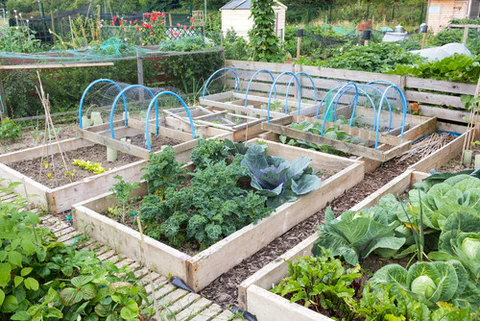
- Integrate with your garden: Positioning coops and hutches near raised beds or compost areas can streamline chores and benefit your plants.
Choosing the Right Location for Your Setup
The placement of your compact animal shelters directly affects both animal health and your daily routine. Select a spot that offers:
- Good drainage to prevent muddy conditions
- Partial shade for temperature regulation
- Easy access for feeding, cleaning, and egg collection
- Protection from prevailing winds and predators
If you’re working with a patio or balcony, ensure the structure is secure and won’t disturb neighbors. For ground-level installations, consider proximity to water sources and storage for feed and bedding.
Essential Features for Small-Space Coops and Hutches
Even in a limited area, your animals’ needs remain the same. Here are the must-have features for any efficient small-space coop or hutch:
- Ventilation: Mesh panels or adjustable vents prevent overheating and reduce moisture buildup.
- Easy-access doors: Large openings make cleaning and animal care less of a chore.
- Secure latches: Keep predators out and animals safely contained.
- Removable trays or floors: Simplify waste removal and deep cleaning.
- Weatherproof roofing: Protects against rain, snow, and harsh sun.
- Integrated nesting or resting areas: Provide privacy and comfort for laying hens or resting rabbits.
Creative Layouts for Limited Outdoor Areas
Innovative layouts can help you fit more function into less space. Here are some popular approaches:
- Stacked hutches: Ideal for rabbits or quail, these vertical setups double or triple your capacity without expanding your footprint.
- Chicken tractors: Mobile coops allow you to rotate your flock across the yard, fertilizing as they go and preventing overgrazing.
- Multi-use sheds: Combine storage, animal housing, and even a potting bench in one compact structure.
- Integrated garden beds: Positioning hutches alongside raised beds creates a symbiotic relationship—manure enriches the soil, and plants provide shade.
For more inspiration on combining gardening and animal care, explore modern homesteading herbal garden ideas for creative ways to blend productivity and beauty in your homestead.
Materials and Tools for DIY Small-Space Projects
Building your own compact animal shelter can be cost-effective and rewarding. Common materials include:
- Pressure-treated or naturally rot-resistant wood (like cedar)
- Galvanized hardware cloth or welded wire mesh
- Corrugated metal or polycarbonate roofing panels
- Plastic trays or bins for removable floors
- Weatherproof latches and hinges
Basic tools such as a saw, drill, measuring tape, and screwdriver are usually sufficient for most builds. Pre-made kits are also available for those who prefer a quicker setup.
Maintenance Tips for Long-Lasting Small-Space Animal Housing
Regular upkeep is crucial for keeping your animals healthy and your structures in good condition. Here’s how to maintain your compact coops and hutches:
- Clean trays and bedding weekly to control odor and pests
- Inspect for signs of wear, rust, or damage after storms
- Check latches and hinges for security
- Reapply sealant or paint annually to protect wood
- Rotate mobile units to prevent bare patches in your yard
For a broader perspective on sustainable living and animal care, listen to this introduction to modern homesteading podcast for practical tips and inspiration from experienced homesteaders.
Integrating Small-Space Animal Housing with Your Homestead
Compact animal shelters can be seamlessly incorporated into a variety of homesteading setups. Whether you’re focused on food production, education, or simply enjoying the company of animals, efficient use of space allows you to balance your goals and resources. Consider these additional strategies:
- Combine animal housing with composting to recycle bedding and manure
- Use portable hutches to fertilize different garden areas
- Coordinate planting and animal rotation schedules for maximum productivity
- Explore budget-friendly options by repurposing materials or sharing resources with neighbors
If you’re new to homesteading, reviewing common pitfalls can save you time and frustration. Check out modern homesteading beginner mistakes for advice on what to avoid as you expand your setup.
Frequently Asked Questions
How much space do chickens or rabbits need in a small coop or hutch?
Chickens generally require at least 2–3 square feet per bird inside the coop, plus 8–10 square feet per bird in an outdoor run. Rabbits need a minimum of 12 square feet per pair, with additional vertical space for exercise. Always prioritize animal welfare and check local regulations.
What are the best materials for weatherproofing a compact animal shelter?
Use pressure-treated or rot-resistant wood for the frame, galvanized wire mesh for ventilation, and metal or polycarbonate panels for the roof. Avoid untreated plywood or chicken wire, as these degrade quickly and offer less protection.
Can I keep a small coop or hutch on a balcony or patio?
Yes, provided your structure is secure, easy to clean, and permitted by local ordinances. Choose lightweight, modular designs and use trays to catch waste. Ensure animals have shade, fresh water, and protection from wind and predators.
How can I combine gardening and animal care in a small yard?
Place coops or hutches near raised beds to use manure as fertilizer, or rotate mobile units to enrich soil. Consider vertical gardening or container systems to maximize your growing space alongside animal housing.