Managing animals in remote or self-sufficient settings requires a thoughtful approach to ensure their well-being and productivity. Off-grid livestock care involves adapting traditional animal husbandry to environments where utilities like electricity, running water, and commercial feed may not be readily available. This guide covers the core principles and practical steps for keeping your animals healthy, safe, and thriving while living independently from public infrastructure.
Whether you’re new to rural living or looking to refine your existing practices, understanding the unique challenges of caring for livestock without modern conveniences is crucial. From water sourcing and shelter design to feeding strategies and health management, each aspect must be tailored to work harmoniously with your land and available resources.
If you’re just beginning your journey, you might find it helpful to read about how to start an off-grid homestead for a broader overview of establishing a self-reliant lifestyle.
Adapting Animal Housing for Remote Environments
Providing secure, weather-appropriate shelter is a cornerstone of successful animal husbandry away from the grid. Structures should be designed to maximize natural light, ventilation, and insulation, reducing the need for artificial heating or cooling. Using locally sourced or reclaimed materials can help minimize costs and environmental impact.
- Ventilation: Ensure barns and coops have adjustable vents or windows to prevent moisture buildup and maintain air quality.
- Insulation: Straw bales, earth berms, or double-wall construction help regulate temperatures in both summer and winter.
- Predator Protection: Reinforce enclosures with hardware cloth and secure latches to keep wildlife out, especially at night.
For poultry keepers, investing in a reliable, manual or solar-powered coop door can make daily routines easier and safeguard your flock. Consider options like the FarmLite Automatic Chicken Coop Door for added convenience.
Water Management Strategies for Livestock
Ensuring a consistent, clean water supply is one of the most significant challenges in off-grid livestock care. Animals require fresh water daily, and the absence of municipal sources means you’ll need to develop reliable alternatives.
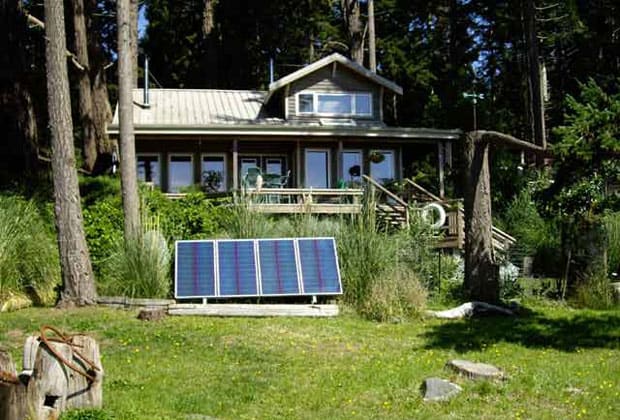
- Rainwater Harvesting: Collect runoff from roofs into food-grade barrels or cisterns. Filter and treat water as needed before use.
- Wells and Springs: If your property has access, maintain pumps (manual or solar) and regularly test water quality.
- Water Conservation: Use automatic or float-valve waterers to minimize waste and labor.
For more details on water systems and filtration, resources like this comprehensive guide to off-grid homesteading essentials can provide additional insights.
Feeding Livestock Without Commercial Inputs
Relying on local resources and sustainable practices is key to feeding animals when store-bought feed is not always an option. Rotational grazing, forage crops, and kitchen or garden scraps can all play a role in supporting your herd or flock.
- Pasture Management: Rotate animals between paddocks to allow grass to recover and reduce parasite loads.
- Homegrown Feed: Grow grains, root vegetables, and legumes suited to your climate. Raised beds can help maximize space and yield.
- Supplementation: Offer minerals and salt licks to ensure balanced nutrition, especially for goats and cattle.
If you’re interested in maximizing food production in limited space, you might also explore techniques like small-space potato towers for efficient homegrown feed.
Health and Preventive Care in Self-Sufficient Settings
Preventing illness and injury is even more important when veterinary services are far away. Regular observation, sanitation, and record-keeping help you spot problems early and maintain healthy animals.
- Routine Checks: Observe animals daily for changes in appetite, behavior, or appearance.
- Biosecurity: Limit visitors and new animal introductions to reduce disease risk.
- Natural Remedies: Learn about herbal treatments and first-aid for minor injuries or ailments.
- Vaccination and Deworming: Follow a schedule appropriate for your species and region, using manual record-keeping or simple charts.

Building your knowledge of animal health and basic veterinary skills is an ongoing process. Many homesteaders keep a reference library of trusted books and online resources for troubleshooting common issues.
Seasonal Challenges and Solutions for Animal Care
Each season brings its own set of obstacles for those raising animals in remote locations. Preparing in advance and adapting your routines can help minimize stress for both you and your livestock.
- Winter: Stockpile extra bedding, insulate waterers to prevent freezing, and ensure windbreaks are in place.
- Summer: Provide shade, increase ventilation, and monitor for heat stress or dehydration.
- Storms: Check structures for leaks and secure loose items to prevent damage.
For those just starting out, off-grid homesteading for beginners offers more tips on adapting to seasonal changes and building resilience into your routines.
Integrating Livestock With the Broader Homestead
Animals are an integral part of a self-sufficient property, contributing to soil fertility, pest control, and food security. By integrating your livestock management with gardening and land stewardship, you create a more resilient and productive system.
- Manure Management: Compost animal waste for use in gardens and orchards.
- Rotational Grazing: Move animals strategically to improve pasture health and reduce weed pressure.
- Multi-Species Systems: Grazing different animals together can optimize land use and reduce parasite cycles.
If you’re interested in expanding your food production, consider learning more about how to start a container orchard to complement your livestock efforts.
Frequently Asked Questions
What are the most important supplies for off-grid animal care?
Essential supplies include sturdy water containers, manual or solar-powered pumps, portable fencing, weatherproof shelters, and a basic veterinary kit. Having backup feed and bedding materials is also recommended.
How can I prevent water from freezing in winter?
Use insulated buckets, heated waterers powered by solar or propane, or place containers in sheltered areas. Checking water multiple times a day and breaking ice manually is often necessary in very cold climates.
Is it possible to raise livestock without buying commercial feed?
Yes, with careful planning. Rotational grazing, growing your own grains and vegetables, and supplementing with kitchen scraps or forage can support most small-scale herds and flocks. However, some minerals and vitamins may still need to be purchased for optimal health.
Where can I learn more about self-sufficient animal husbandry?
Explore resources like what is off-grid homesteading for foundational knowledge, and connect with local extension offices or online homesteading communities for region-specific advice.