The idea of living independently from public utilities and growing your own food has gained significant attention in recent years. Many people are drawn to the concept of off-grid homesteading as a way to achieve greater self-reliance, reduce their environmental impact, and enjoy a simpler lifestyle. But what does it really mean to live off the grid, and how can beginners get started on this path?
In this article, you’ll find a comprehensive overview of the core principles, benefits, and challenges of establishing a self-sufficient homestead. Whether you’re considering a rural property or want to apply these ideas in a suburban setting, understanding the basics is the first step. For those with limited space, exploring techniques like small-space potato towers can be a practical entry point into sustainable living.
Understanding the Basics of Off-Grid Homesteading
At its core, off-grid homesteading refers to a lifestyle where individuals or families live independently from municipal utilities such as electricity, water, and sewage systems. Instead, homesteaders rely on alternative energy sources, their own water collection and purification systems, and sustainable food production.
This approach is not limited to remote locations. While many choose rural areas for the space and resources they provide, some adapt off-grid principles to smaller plots or even urban environments. The key is to minimize reliance on external systems and maximize self-sufficiency.
Key Elements of a Self-Sufficient Homestead
Building a successful homestead involves several interconnected components. Here are some of the most important aspects to consider:
- Energy Independence: Most off-grid properties use solar panels, wind turbines, or micro-hydro systems to generate electricity. Battery banks and backup generators are often included for reliability.
- Water Management: Collecting rainwater, drilling wells, or using natural springs are common methods for securing a water supply. Filtration and purification are essential for safety.
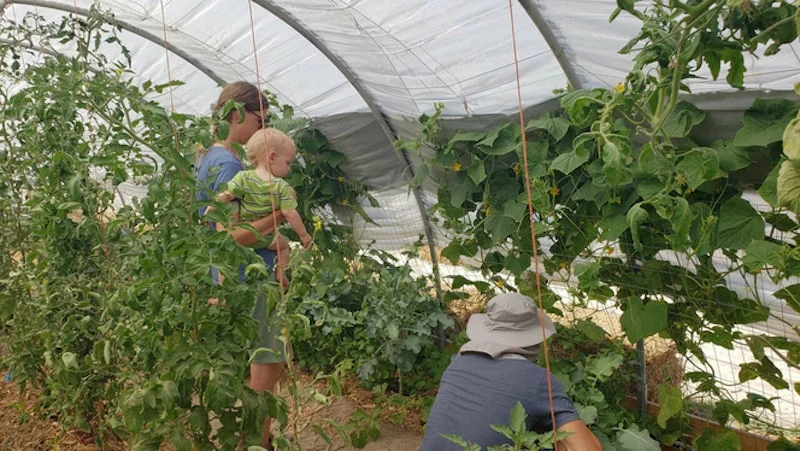
- Food Production: Growing vegetables, raising livestock, and preserving food are central to the homesteading lifestyle. Techniques like crop rotation and composting help maintain soil health. For those with limited space, methods such as how to rotate crops in small gardens can be especially useful.
- Shelter and Building: Many homesteaders build their own homes using sustainable materials. Off-grid homes are often designed for energy efficiency and passive heating/cooling.
- Waste Management: Composting toilets, greywater systems, and recycling help manage waste without relying on municipal services.
Benefits of Living Off the Grid
Embracing a homesteading lifestyle offers a range of advantages, both practical and personal:
- Resilience: By producing your own food and energy, you’re less vulnerable to disruptions in public utilities or supply chains.
- Cost Savings: While the initial investment can be significant, long-term expenses for utilities and groceries are often reduced.
- Environmental Impact: Off-grid living typically results in a smaller carbon footprint and less waste.
- Personal Satisfaction: Many find fulfillment in learning new skills and being more connected to the land.
Common Challenges and How to Overcome Them
While the rewards are substantial, off-grid homesteading also comes with its share of obstacles:
- Upfront Costs: Setting up solar power, water systems, and infrastructure can be expensive. Careful planning and prioritizing essential systems can help manage costs.
- Learning Curve: Skills like gardening, animal husbandry, and construction may be new to many beginners. Start small and expand your knowledge over time.
- Isolation: Rural homesteads can feel remote. Building a network with neighbors or online communities can provide support and advice.
- Legal and Zoning Issues: Some areas have restrictions on alternative building methods or off-grid utilities. Research local regulations before purchasing land or starting projects.
Essential Skills for New Homesteaders
Success in this lifestyle depends on a willingness to learn and adapt. Here are a few foundational skills to focus on:
- Gardening and Food Preservation: Understanding soil health, crop rotation, and canning or dehydrating produce is crucial. If you’re new to gardening, consider starting with small-space seed starting for strong plants.
- Basic Carpentry and Repairs: Being able to build or fix structures saves money and increases independence.
- Animal Care: Raising chickens, goats, or other livestock provides food and other resources, but requires daily attention and knowledge of animal health.
- Alternative Energy Maintenance: Solar and wind systems need regular upkeep to function reliably.
Getting Started: Steps Toward an Off-Grid Lifestyle
If you’re interested in pursuing this path, it’s helpful to approach the transition in manageable stages:
- Assess Your Goals: Decide how independent you want to be. Some start by growing a portion of their food or installing solar panels, while others aim for complete autonomy.
- Research and Plan: Learn about local climate, soil, water sources, and legal requirements. Resources like this in-depth guide to living off the grid can be valuable for understanding what’s involved.
- Start Small: Begin with a garden, a few chickens, or a rainwater collection system. Gradually add more elements as you gain confidence.
- Build Community: Connect with other homesteaders for advice, seed swaps, or shared projects. Online forums and local groups can provide ongoing support.
- Keep Learning: Homesteading is an ongoing process. Stay open to new ideas, experiment, and adapt your approach as needed.
Practical Tips for Maintaining Your Homestead
Once you’ve established the basics, ongoing maintenance and improvement are key to long-term success. Here are a few practical suggestions:
- Keep detailed records of planting dates, harvests, and weather patterns to improve yields year after year.
- Invest in quality tools and learn basic repair skills to avoid costly replacements.
- Rotate crops and use small-space natural pest control methods to keep your garden healthy without chemicals.
- Preserve surplus produce through canning, drying, or fermenting to ensure a steady food supply.
- Monitor your energy and water usage to identify areas for greater efficiency.
Frequently Asked Questions
Is it legal to live off the grid everywhere?
Laws and regulations vary widely by location. Some areas have strict building codes or require connections to public utilities, while others are more flexible. Always research local ordinances before making major changes or purchasing land.
How much land do I need for a homestead?
The amount of land required depends on your goals. Some people manage productive gardens and small livestock on less than an acre, while others prefer several acres for privacy and larger-scale food production. Start with what you can manage and expand as needed.
Can I homestead off-grid in a suburban or urban area?
Yes, many principles of self-sufficiency can be adapted to smaller spaces. Container gardening, rainwater harvesting, and solar panels are all possible in urban settings. For more ideas, check out resources on how to start a container orchard in small areas.
What are the first steps for beginners?
Begin by assessing your current resources and skills. Start with small projects like a vegetable garden or a few backyard chickens, and gradually add more elements as you gain experience and confidence.
Conclusion
Embracing a more self-reliant lifestyle through off-grid homesteading is both challenging and rewarding. By understanding the fundamentals, preparing for common obstacles, and taking a step-by-step approach, anyone can begin the journey toward greater independence and sustainability. Whether you’re dreaming of a remote cabin or simply want to grow more of your own food, the principles outlined here provide a solid foundation for your homesteading adventure.