Taking the first steps toward off-grid homesteading for beginners is both exciting and challenging. This lifestyle offers the promise of greater self-reliance, a closer connection to nature, and the satisfaction of building a sustainable home from the ground up. Whether you dream of growing your own food, generating your own power, or simply living with fewer dependencies on modern infrastructure, starting out can feel overwhelming without the right guidance.
This article covers the key aspects of getting started with off-grid living, from selecting land and building shelter to managing water, energy, and food production. You’ll also find practical tips, essential resources, and answers to common questions. For those interested in maximizing small spaces, check out our guide on small-space potato towers for creative food production ideas.
Why Choose an Off-Grid Lifestyle?
Many people are drawn to off-grid homesteading for its promise of independence and sustainability. Living off the grid means relying less on public utilities and more on your own skills and resources. This approach can reduce your environmental impact, lower monthly expenses, and provide a sense of accomplishment. For beginners, it’s important to recognize that this lifestyle also requires careful planning, adaptability, and a willingness to learn new skills.
Some of the main reasons people make the switch include:
- Self-sufficiency: Growing your own food, generating power, and managing water supplies.
- Cost savings: Reducing or eliminating utility bills and some living expenses.
- Environmental stewardship: Using renewable resources and minimizing waste.
- Personal fulfillment: Building a life that aligns with your values and priorities.
Getting Started: Choosing Land and Location
The foundation of any successful off-grid homestead is the land itself. When searching for property, consider factors such as climate, soil quality, water availability, access to sunlight, and proximity to resources. Remote locations may offer more privacy and lower costs but can make access to supplies and emergency services more challenging.
Key considerations for beginners include:
- Water sources: Look for land with reliable access to water, such as a well, spring, or stream.
- Sun exposure: Adequate sunlight is essential for solar power and gardening.
- Soil quality: Fertile soil supports productive gardens and orchards.
- Zoning and regulations: Check local laws regarding building codes, waste disposal, and alternative energy systems.
For those with limited space, innovative solutions like container orchards can help maximize productivity even on smaller plots.
Essential Shelter and Structures
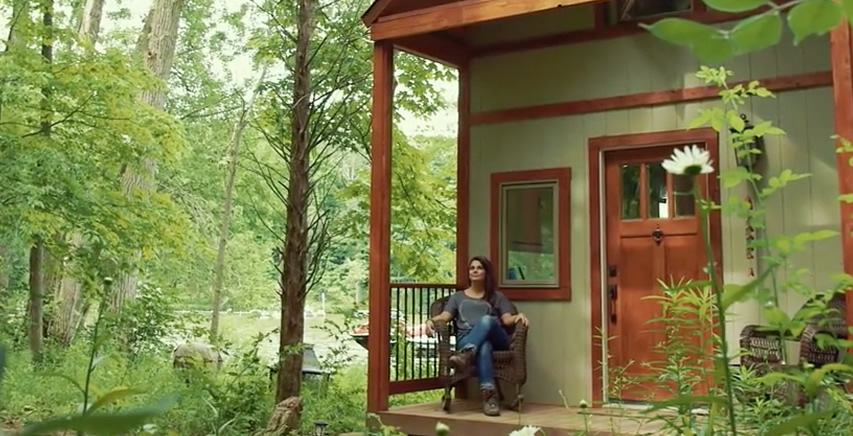
Building a comfortable, efficient shelter is a top priority for anyone starting out. Options range from tiny houses and cabins to yurts and earthships. The choice depends on your budget, climate, available materials, and personal preferences.
When planning your homestead structures, consider:
- Insulation and weatherproofing to maintain comfort year-round.
- Orientation for passive solar heating and cooling.
- Durability against local weather conditions.
- Multi-purpose spaces to make the most of limited square footage.
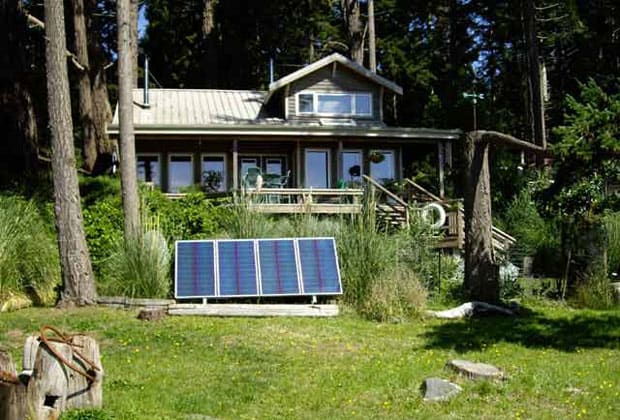
Water Collection and Management for Off-Grid Living
Reliable water is essential for drinking, cooking, cleaning, and irrigation. Off-grid homesteaders often rely on wells, rainwater catchment, or natural springs. Each method has its own setup requirements and maintenance needs.
- Wells: Drilling a well can be costly but provides a consistent supply if the aquifer is reliable.
- Rainwater harvesting: Collecting rainwater from roofs into storage tanks is a popular and sustainable option.
- Filtration and purification: All water sources should be filtered and tested to ensure safety.
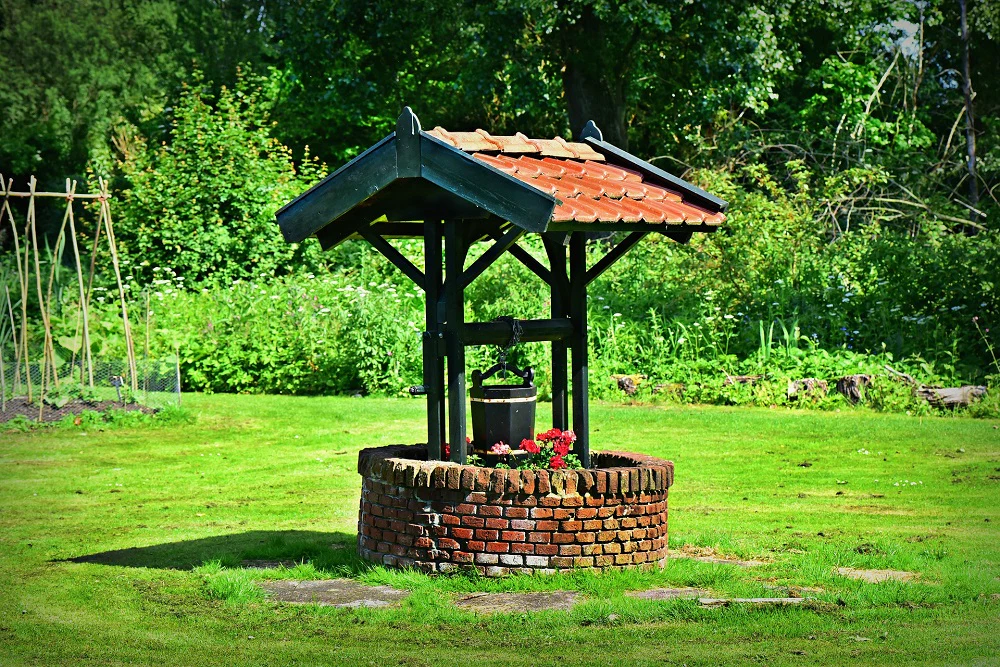
Generating Power Off the Grid
One of the most important aspects of off-grid homesteading is energy independence. Solar panels are the most common choice, but wind turbines and micro-hydro systems can also be effective depending on your location.
- Solar power: Panels, batteries, and inverters form the backbone of most off-grid systems.
- Wind energy: Suitable for areas with consistent wind speeds.
- Micro-hydro: If you have access to flowing water, this can provide steady, reliable power.
- Backup generators: Useful for emergencies or periods of low renewable output.
Managing your energy use is just as important as generating it. Prioritize efficient appliances and lighting, and consider passive heating and cooling techniques to reduce demand.
Food Production and Self-Sufficiency
Growing your own food is a core part of the off-grid experience. Start with a manageable garden and expand as your skills grow. Raised beds, container gardens, and vertical gardening can help maximize yields, especially in limited spaces.
Consider these tips for productive homestead gardens:
- Choose crops suited to your climate and soil.
- Practice crop rotation to maintain soil health. For more, see our article on how to rotate crops in small gardens.
- Start seeds indoors for a head start on the growing season. Our small-space seed starting guide offers practical advice.
- Use natural pest control methods to protect your harvest. Learn more about small-space natural pest control.
Raising chickens, goats, or other livestock can further increase your self-reliance, providing eggs, milk, and meat. Start small and expand as you gain confidence and experience.
Waste Management and Sanitation
Proper waste disposal is crucial for health and environmental reasons. Composting toilets, greywater systems, and careful management of household waste are common solutions for off-grid homes.
- Composting toilets: Convert human waste into safe, usable compost.
- Greywater systems: Recycle water from sinks and showers for irrigation.
- Recycling and reusing: Reduce landfill waste by repurposing materials whenever possible.
Learning Resources and Community Support
No one has to go it alone. There are many resources, forums, and communities dedicated to helping newcomers succeed. For a detailed breakdown of what to expect, see this comprehensive guide to off-grid homesteading essentials.
Connecting with others who share your goals can provide valuable advice, encouragement, and even hands-on help. Many local groups offer workshops, bartering opportunities, and social events.
Common Challenges and How to Overcome Them
While the rewards are significant, living off the grid comes with its own set of challenges. Weather extremes, equipment failures, and learning curves are all part of the journey. The key is to approach each obstacle as a learning opportunity and to build resilience through preparation and community support.
- Start small and scale up as you gain experience.
- Invest in quality tools and equipment.
- Develop a network of knowledgeable friends and neighbors.
- Stay flexible and open to new solutions.
Frequently Asked Questions
What is the first step for someone new to off-grid homesteading?
Begin by researching and planning your goals. Identify your priorities—such as food production, energy independence, or water management—and assess your available resources. Visiting other homesteads and reading practical guides can help clarify your vision.
How much land do I need to start living off the grid?
The amount of land required depends on your goals and lifestyle. Some people thrive on less than an acre using intensive gardening methods, while others prefer larger properties for livestock and privacy. Focus on quality and resource availability rather than just acreage.
Is it expensive to set up an off-grid homestead?
Initial costs can be significant, especially for land, shelter, and renewable energy systems. However, many expenses can be reduced through DIY projects, used materials, and gradual upgrades. Over time, ongoing costs are often lower than traditional living.