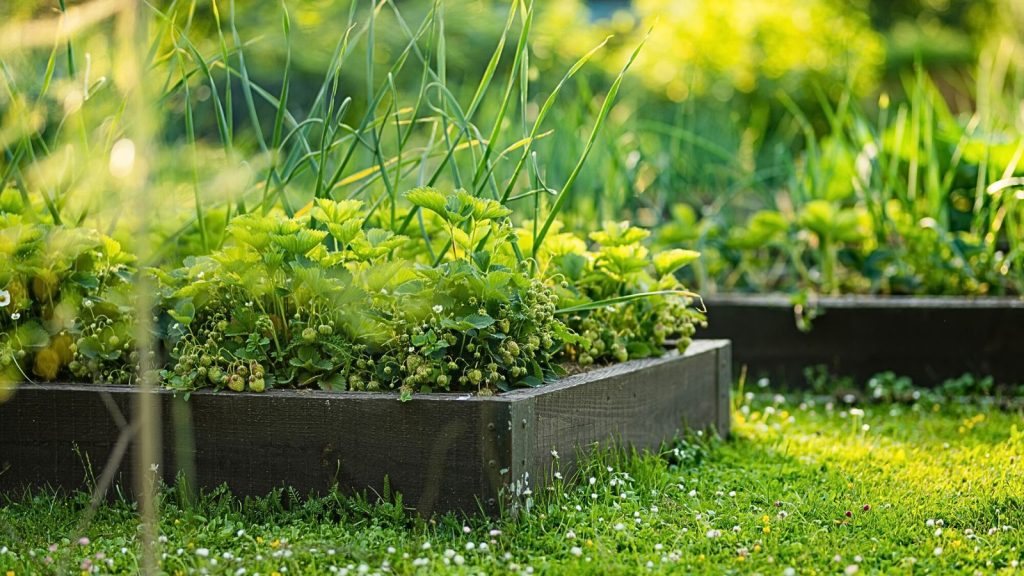
Growing small-space perennial herbs is a practical way to enjoy fresh, aromatic flavors and year-round greenery, even when you have limited room. Whether you’re working with a balcony, a compact backyard, or a sunny windowsill, perennial herbs offer lasting harvests and low-maintenance beauty. This guide covers the best varieties for tight spaces, container gardening tips, and how to keep your mini herb garden thriving season after season.
For those interested in expanding their homesteading skills, exploring resources like the modern homesteading herbal garden ideas can provide additional inspiration for integrating herbs into your lifestyle.
Why Choose Perennial Herbs for Compact Gardens?
Perennial herbs are plants that return year after year, making them a smart investment for anyone with limited gardening space. Unlike annuals, which need to be replanted each season, perennials establish themselves and often require less care over time. This means you can enjoy continuous harvests with less effort, making them ideal for busy gardeners or those new to growing their own food.
Many perennial herbs are naturally compact or can be easily pruned to fit small containers. Their resilience and adaptability also make them suitable for a range of environments, from urban patios to small rural plots. If you’re interested in learning more about the broader context of homesteading and its history, the history of homesteading in Canada offers valuable background.
Top Perennial Herbs for Small Spaces
Selecting the right varieties is key to maximizing your available space. Here are some of the best perennial herbs that thrive in containers and compact gardens:
- Chives: These slender, onion-flavored herbs grow in tight clumps and are perfect for window boxes or small pots. Regular harvesting encourages fresh growth.
- Thyme: With its low, spreading habit, thyme is ideal for edging containers or filling gaps. It’s drought-tolerant and thrives with minimal attention.
- Oregano: Compact cultivars of oregano offer robust flavor and can be kept tidy with regular trimming. It’s a staple for Mediterranean dishes.
- Sage: Dwarf varieties of sage provide aromatic leaves and attractive foliage, making them both useful and decorative.
- Mint: While mint can be invasive in open soil, it’s easily contained in pots. Choose smaller varieties for the best fit.
- Lemon Balm: This citrus-scented herb grows well in containers and can be cut back to keep it compact.
- French Tarragon: Known for its subtle anise flavor, tarragon is a perennial that does well in small, sunny spaces.
- Rosemary: Look for dwarf or prostrate types of rosemary, which are well-suited to pots and small raised beds.
Container Gardening Tips for Perennial Herbs
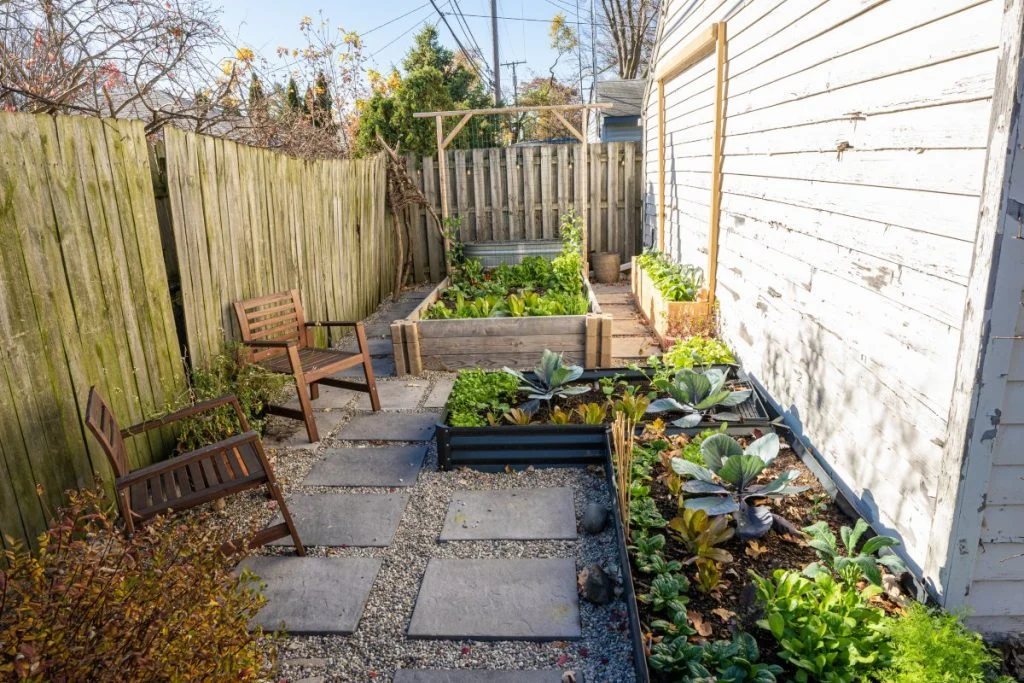
Growing perennial herbs in small spaces often means using containers, raised beds, or vertical planters. Here are some key tips to ensure your herbs flourish:
- Choose the right container: Opt for pots with good drainage. Materials like terra cotta, ceramic, or fabric grow bags help prevent waterlogging.
- Use quality soil: A well-draining potting mix enriched with compost provides nutrients and prevents root rot.
- Position for sunlight: Most perennial herbs need at least 6 hours of direct sunlight per day. Place containers on a sunny windowsill, balcony, or patio.
- Water wisely: Herbs in containers dry out faster than those in the ground. Water when the top inch of soil feels dry, but avoid overwatering.
- Fertilize sparingly: Too much fertilizer can reduce flavor. Use a balanced, organic fertilizer once or twice during the growing season.
- Prune regularly: Frequent harvesting and trimming keep herbs compact and encourage new growth.
Maximizing Yields in Limited Areas
Even with just a few square feet, you can enjoy a steady supply of fresh herbs by using a few strategic techniques:
- Succession planting: Stagger new plantings or divide mature clumps to keep your containers productive.
- Companion planting: Combine herbs with similar water and light needs in the same pot to save space and boost growth.
- Vertical gardening: Use wall-mounted planters or tiered shelves to grow more varieties in a small footprint.
- Rotate containers: Move pots to follow the sun or bring them indoors during harsh weather.
Care and Maintenance for Lasting Herb Gardens
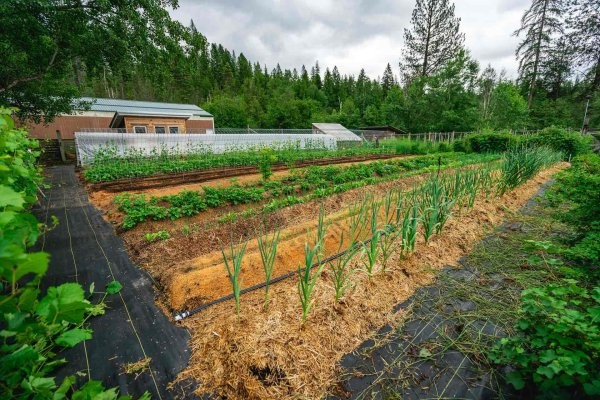
Keeping your compact perennial herb garden healthy requires a few ongoing tasks:
- Monitor for pests: Check leaves regularly for aphids, spider mites, or fungal issues. Remove affected foliage and use organic controls if needed.
- Divide and replant: Every few years, divide mature clumps to rejuvenate plants and prevent overcrowding.
- Winter protection: In colder climates, move containers indoors or insulate pots to protect roots from freezing.
- Harvest smartly: Pick leaves often, but never remove more than one-third of the plant at a time to ensure continued growth.
For those looking to expand their homesteading knowledge, the modern homesteading fencing guide offers practical advice on protecting your garden and property.
Frequently Asked Questions
Which perennial herbs are best for growing indoors?
Chives, thyme, oregano, and mint are among the top choices for indoor herb gardens. They adapt well to pots, require minimal space, and thrive with adequate sunlight on a windowsill.
How do I prevent perennial herbs from becoming invasive in small containers?
Regular pruning and harvesting help keep herbs like mint and lemon balm in check. Always use containers with drainage holes and avoid planting aggressive varieties together unless you want them to intermingle.
Can I grow perennial herbs year-round in cold climates?
Many perennial herbs can be overwintered indoors or protected with mulch and insulation outdoors. Using grow lights and bringing pots inside during winter ensures a continuous supply of fresh herbs.
What are the benefits of growing perennial herbs in small spaces?
Perennial herbs provide a steady harvest with less replanting, save money over time, and add greenery to small living areas. Their adaptability makes them suitable for balconies, patios, and even kitchen counters.
Conclusion
Creating a thriving herb garden is possible in even the smallest spaces by choosing the right perennial varieties and using smart container gardening techniques. With a bit of planning and regular care, you can enjoy fresh, homegrown flavors all year long. For more ideas on starting or improving your homestead, explore resources like modern homesteading beginner mistakes to avoid common pitfalls and set yourself up for success.