Growing cauliflower in limited spaces is entirely possible with the right approach. Whether you have a balcony, patio, or a compact backyard, you can enjoy fresh, homegrown cauliflower by making smart use of containers, vertical gardening, and careful planning. This guide covers the essentials of small-space cauliflower growing, from choosing the right varieties to harvesting crisp, delicious heads.
Many urban gardeners and homesteaders are discovering that even a small plot or a few containers can yield impressive results. By focusing on efficient planting techniques and proper care, you can maximize your harvest and enjoy the satisfaction of growing your own food, no matter the size of your garden.
If you’re interested in expanding your homesteading skills beyond vegetables, you might also find the modern homesteading fencing guide helpful for planning your space efficiently.
Choosing the Right Cauliflower Varieties for Compact Gardens
Selecting the best type of cauliflower is crucial for success in restricted areas. Some cultivars are bred specifically for container and raised bed gardening, featuring compact growth habits and shorter maturation times. Look for varieties labeled as “mini,” “baby,” or “container-friendly” on seed packets. These options typically require less space and can thrive with careful attention.
- Snowball: A classic, compact variety ideal for pots and small beds.
- Mini White: Produces smaller heads, perfect for tight spaces.
- Igloo: Early maturing and well-suited for container gardening.
When shopping for seeds or seedlings, check the plant’s mature size and days to harvest. Shorter growth cycles mean you can fit more crops into a single season, making the most of your available area.
Preparing Containers and Soil for Small-Space Cauliflower Growing
The foundation of a successful small-space cauliflower growing project is the right container and soil mix. Cauliflower needs room for its roots to develop, so choose containers that are at least 12–18 inches deep and wide. Raised beds, large pots, and fabric grow bags are all excellent choices.
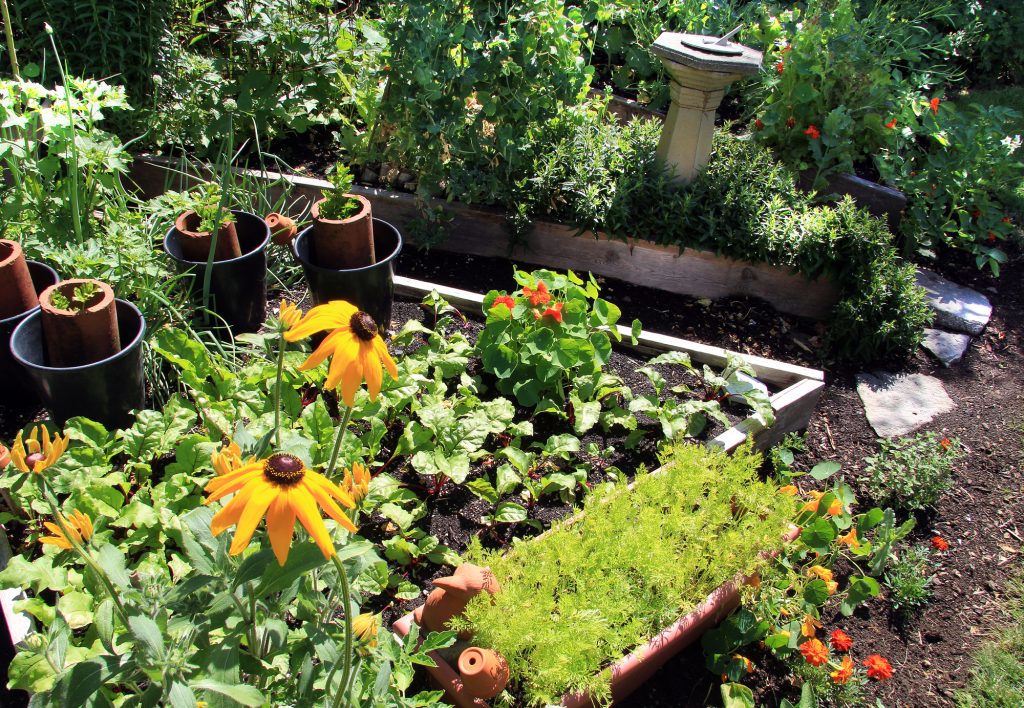
Use a high-quality potting mix rich in organic matter. Cauliflower is a heavy feeder, so blend in compost or well-rotted manure before planting. Ensure your containers have drainage holes to prevent waterlogging, which can cause root rot. For added success, consider mixing in a slow-release, balanced fertilizer at planting time.
Planting and Spacing Tips for Urban Cauliflower Gardens
Proper spacing is essential, even in a compact setup. Crowding plants can lead to poor air circulation and smaller heads. For most dwarf or mini varieties, allow at least 12 inches between each plant. If using a large container or raised bed, stagger your plantings in a grid to maximize space while maintaining airflow.
Start seeds indoors 4–6 weeks before your last expected frost, or purchase healthy seedlings. Transplant them into containers once they have at least two sets of true leaves and nighttime temperatures remain above 50°F (10°C). Water thoroughly after transplanting to help roots establish.
Sunlight and Watering Strategies for Limited Spaces
Cauliflower requires a minimum of 6 hours of direct sunlight daily. If your space is shaded, supplement with LED grow lights to ensure robust growth. Place containers where they’ll receive the most consistent light, such as south-facing balconies or patios.
Water regularly, keeping the soil consistently moist but not soggy. Containers dry out faster than ground beds, so check moisture levels daily during warm weather. Mulching with straw or shredded leaves can help retain moisture and keep roots cool.
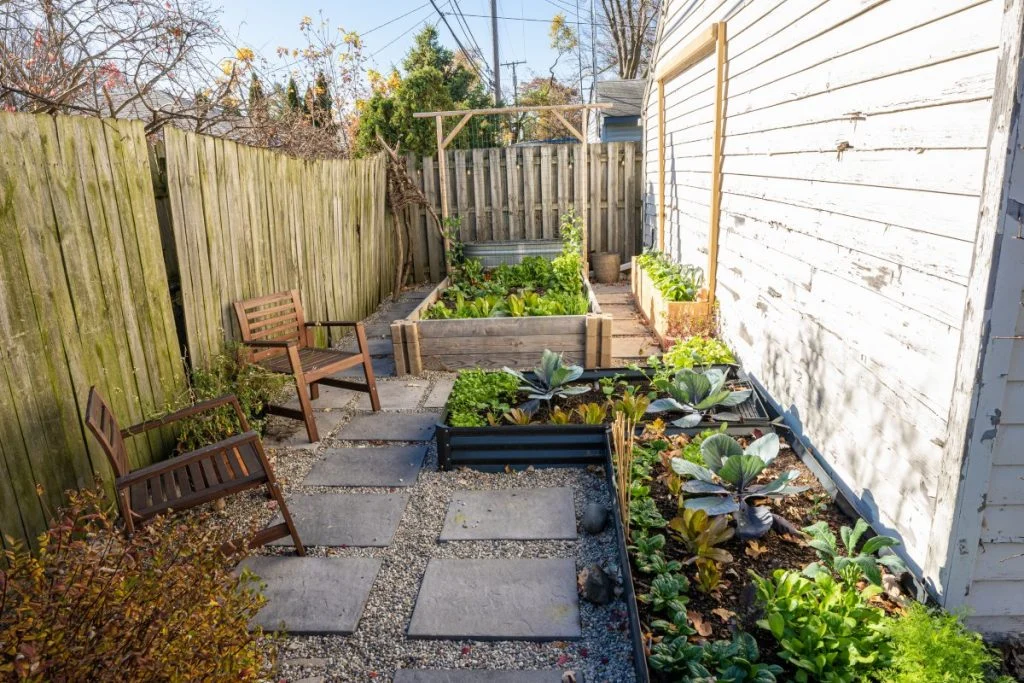
Maximizing Yields with Vertical and Succession Planting
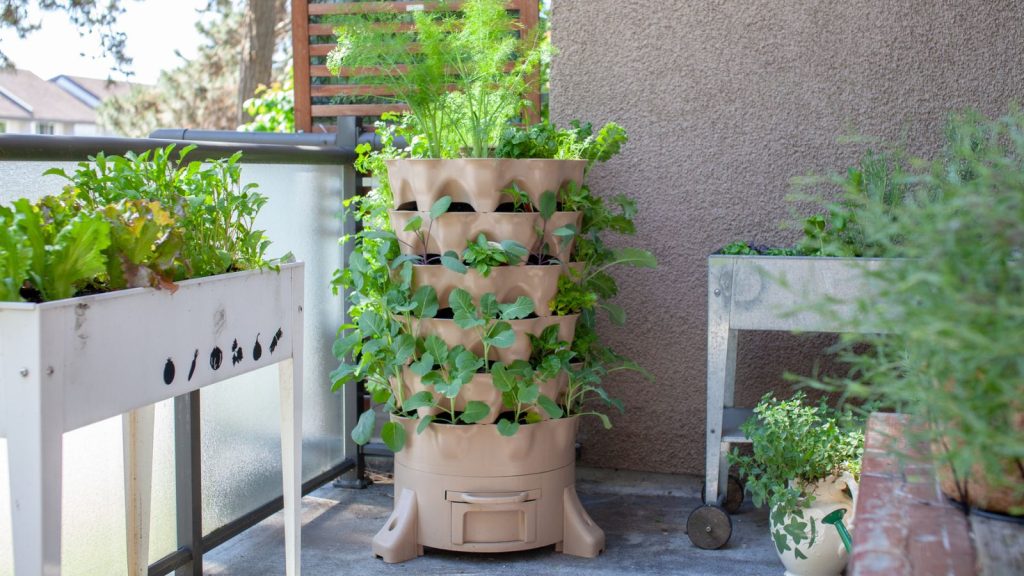
To get the most from your limited area, try vertical gardening techniques. Use shelves, plant stands, or wall-mounted planters to stack containers and increase growing space. While cauliflower itself grows as a single head, you can plant leafy greens or herbs around the base to utilize every inch.
Succession planting is another effective strategy. After harvesting a head, replant the container with another crop or a quick-growing vegetable. This keeps your garden productive throughout the season.
Common Challenges and Solutions for Small-Space Cauliflower Growing
Compact gardening comes with unique hurdles, but most can be managed with proactive care:
- Pest Control: Aphids and cabbage worms are common. Inspect plants regularly and use row covers or organic sprays if needed.
- Temperature Fluctuations: Containers heat up and cool down quickly. Move pots to sheltered spots during extreme weather or use shade cloths during heatwaves.
- Bolting: Cauliflower is sensitive to heat. Choose bolt-resistant varieties and keep soil evenly moist to reduce stress.
For more inspiration on making the most of your available space, see these tips for starting homesteading in a small space.
When and How to Harvest Cauliflower in Compact Gardens
Harvesting at the right time ensures the best flavor and texture. Cauliflower heads are ready when they are firm, white (or the color of your chosen variety), and about 6–8 inches across. Use a sharp knife to cut the head from the plant, leaving a few outer leaves to protect it.
If you notice the heads starting to separate or discolor, harvest immediately. Overripe cauliflower can become bitter or tough. After harvesting, replant the container with another cool-season crop or a quick-growing leafy green.
FAQs About Growing Cauliflower in Small Spaces
What size container is best for growing cauliflower?
Choose a pot or grow bag that is at least 12–18 inches deep and wide. This gives the roots enough room to develop and supports healthy head formation.
Can I grow cauliflower indoors?
Yes, you can cultivate cauliflower indoors if you provide sufficient light. Use a sunny window or supplement with LED grow lights to ensure the plants receive at least 6 hours of light each day.
How do I prevent pests in a small-space garden?
Inspect your plants regularly for signs of aphids or caterpillars. Use row covers, hand-picking, or organic insecticidal soap as needed. Keeping your containers clean and rotating crops each season also helps reduce pest pressure.
What other crops pair well with cauliflower in containers?
Leafy greens like lettuce, spinach, and herbs such as dill or cilantro can be planted around cauliflower. These companions make efficient use of space and can help deter some pests.
For more ideas on maximizing your homestead, explore modern homesteading herbal garden ideas for inspiration on companion planting and creative use of space.