Crop rotation is a foundational practice for anyone looking to build a resilient, productive homestead. By systematically changing the types of crops grown in each garden bed or field over time, homesteaders can naturally improve soil health, manage pests, and increase yields—without relying heavily on synthetic inputs. This approach is especially important for those committed to sustainable and modern homesteading methods, where self-sufficiency and ecological stewardship go hand in hand.
If you’re interested in integrating crop rotation into your own gardening or farming routine, understanding the principles behind it and how to apply them to your unique space is key. For those wanting to explore broader sustainability strategies, the modern homesteading and sustainability resource offers a comprehensive look at eco-friendly living.
Why Crop Rotation Matters for Modern Homesteaders
Rotating crops is more than just an old farming tradition—it’s a science-backed way to maintain fertile soil and reduce the risk of disease and pest outbreaks. When the same type of plant is grown in the same spot year after year, soil nutrients become depleted and pathogens that target that crop can build up. By rotating plant families, you interrupt these cycles and give the soil a chance to recover.
For those practicing modern homesteading, crop rotation supports the goal of minimizing outside inputs and maximizing what your land can naturally provide. This method also aligns with principles of permaculture and regenerative agriculture, making it a smart choice for anyone seeking long-term productivity.
Core Principles of Crop Rotation for Homesteads
To get the most out of your rotation plan, it’s important to understand a few key concepts:
- Plant Families: Group crops by botanical family (e.g., nightshades, brassicas, legumes) since they often share similar nutrient needs and pest profiles.
- Rotation Cycles: Aim for at least a three- or four-year cycle before repeating the same crop family in a given bed.
- Soil Health: Alternate heavy feeders (like corn) with nitrogen-fixing plants (such as beans or peas) to naturally replenish nutrients.
- Pest and Disease Management: Moving crops breaks the lifecycle of soil-borne pests and diseases, reducing the need for chemical interventions.
Designing a Rotation Plan for Your Homestead
Every homestead is unique, so your rotation plan should reflect your available space, climate, and crop preferences. Here’s how to get started:
- Map Your Growing Areas: Sketch out your garden beds or fields. Assign each a number or name for easy tracking.
- List Your Crops by Family: Group your intended crops into families such as Solanaceae (tomatoes, peppers), Fabaceae (beans, peas), Brassicaceae (cabbage, broccoli), and so on.
- Plan the Sequence: Decide which family goes where each year, ensuring that no family returns to the same spot for at least three years.
- Include Cover Crops: Between main crops, consider sowing cover crops like clover or rye to build organic matter and suppress weeds.
- Keep Records: Document your rotations each season. This will help you refine your approach over time and avoid mistakes.
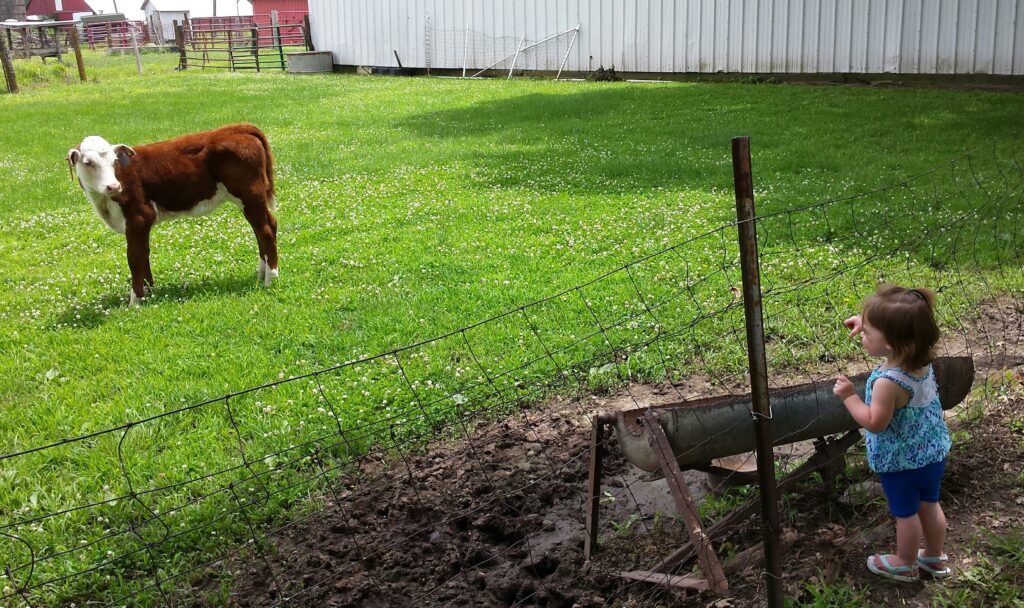
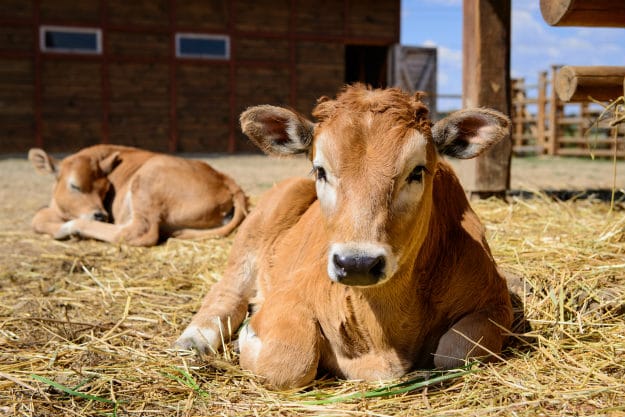
For those managing livestock alongside crops, integrating animals into your rotation can further enrich the soil. Rotational grazing, for example, allows manure to be distributed evenly, boosting fertility for future plantings.
Examples of Effective Crop Rotation Schedules
Here are two sample rotation plans suitable for small-scale homesteads:
Four-Bed Rotation Example
- Year 1: Bed 1: Legumes | Bed 2: Brassicas | Bed 3: Root Crops | Bed 4: Fruit Crops (tomatoes, peppers)
- Year 2: Bed 1: Brassicas | Bed 2: Root Crops | Bed 3: Fruit Crops | Bed 4: Legumes
- Year 3: Bed 1: Root Crops | Bed 2: Fruit Crops | Bed 3: Legumes | Bed 4: Brassicas
- Year 4: Bed 1: Fruit Crops | Bed 2: Legumes | Bed 3: Brassicas | Bed 4: Root Crops
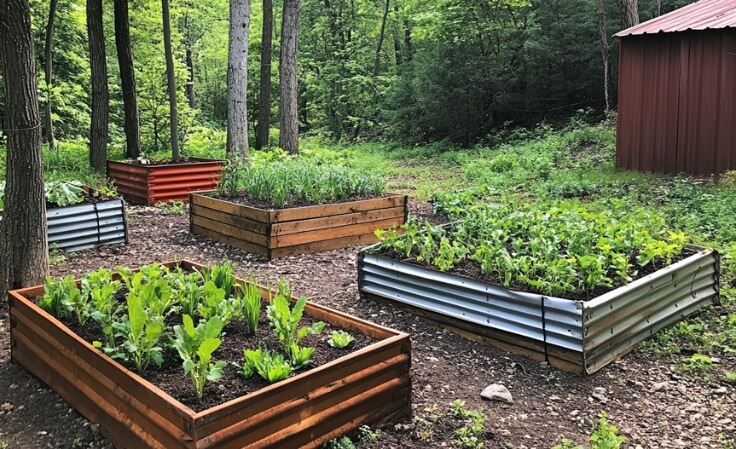
Three-Year Rotation for Raised Beds
- Year 1: Bed A: Leafy Greens | Bed B: Nightshades | Bed C: Legumes
- Year 2: Bed A: Nightshades | Bed B: Legumes | Bed C: Leafy Greens
- Year 3: Bed A: Legumes | Bed B: Leafy Greens | Bed C: Nightshades
Common Challenges and How to Overcome Them
While crop rotation is straightforward in theory, homesteaders often encounter a few hurdles:
- Limited Space: Small gardens can make rotation tricky. Try grouping crops by family within the same bed and rotating sections, or use containers to expand your options.
- Mixed Plantings: Interplanting different crops is great for biodiversity but complicates rotation. Keep detailed notes and rotate the dominant crop family each year.
- Perennials: Permanent plantings like berries or asparagus don’t move. Rotate annuals around these areas and focus on soil amendments to maintain health.
For more practical advice on balancing multiple homesteading tasks, check out these modern homesteading time management tips.
Integrating Livestock and Cover Crops
Incorporating animals and green manures into your rotation plan can significantly boost soil vitality. Grazing animals on fallow beds returns nutrients to the soil, while cover crops prevent erosion and add organic matter. This holistic approach is a hallmark of modern homesteading crop rotation strategies.
If you’re interested in learning more about contemporary homesteading practices, this overview of modern homesteading methods provides further insights into integrating animals, plants, and sustainable systems.
Frequently Asked Questions
How often should I rotate my crops on a homestead?
Ideally, you should avoid planting the same crop family in the same spot for at least three years. This helps break pest and disease cycles and allows the soil to recover. The exact timing can vary based on your space and what you grow, but a three- to four-year rotation is a good standard.
Can I practice crop rotation in a small garden?
Yes, even small gardens benefit from rotation. Group crops by family and rotate them between beds or sections each year. If space is very limited, consider using containers or vertical gardening to increase your options.
What are the main benefits of crop rotation for modern homesteaders?
The primary advantages include improved soil fertility, reduced pest and disease pressure, and more efficient use of nutrients. Crop rotation also supports sustainable practices by minimizing the need for chemical fertilizers and pesticides.
How do I keep track of my rotation plan?
Keeping a simple garden journal or spreadsheet works well. Record what you plant in each bed every year, along with any notes on soil health or pest issues. Over time, this record will help you refine your rotation strategy.
Conclusion
Adopting a thoughtful rotation plan is one of the most effective ways to ensure a healthy, productive homestead. By following the principles outlined in this modern homesteading crop rotation guide, you can build richer soil, grow stronger crops, and move closer to true self-sufficiency. For more inspiration on building community and sharing knowledge, explore these modern homesteading community building ideas.