Growing your own vegetables and flowers from seed is a rewarding and cost-effective way to fill your garden with healthy, vigorous plants. For many gardeners, learning how to start seeds indoors is the first step toward a more productive and sustainable garden. With the right setup, you can get a jump on the growing season, enjoy a wider variety of plants, and avoid the limitations of store-bought seedlings.
This guide covers the essentials of indoor seed starting, from choosing the right supplies to transplanting your young plants outdoors. Whether you’re aiming for a lush summer vegetable patch or planning to experiment with fast growing vegetables for beginners, you’ll find practical tips and step-by-step instructions to help you succeed.
Why Start Seeds Indoors?
Starting seeds inside offers several advantages, especially for those living in regions with short growing seasons or unpredictable weather. By sowing seeds indoors, you can:
- Get a head start on the season and harvest crops earlier
- Grow varieties not commonly available as transplants
- Protect young seedlings from pests and harsh outdoor conditions
- Save money compared to buying mature plants
Many gardeners also find indoor seed starting to be a satisfying way to stay connected to their gardens during late winter and early spring.
Essential Supplies for Indoor Seed Starting
Before you begin, gather the necessary materials. Having the right tools will make the process smoother and increase your chances of success.
- Seeds: Choose high-quality seeds suited to your climate and preferences.
- Containers: Use seed trays, cell packs, peat pots, or recycled containers with drainage holes.
- Seed starting mix: Opt for a sterile, lightweight mix designed for germination, not regular garden soil.
- Watering tools: A spray bottle or gentle watering can prevents soil disturbance.
- Labels: Mark each container with the plant variety and sowing date.
- Light source: A sunny windowsill or grow lights are essential for strong, healthy seedlings.
- Heat mat (optional): Some seeds, like tomatoes and peppers, germinate faster with bottom heat.
- Humidity dome or plastic wrap: Helps maintain moisture during germination.
For those looking to expand their gardening setup, consider investing in a raised bed for easy transplanting later. You can buy a raised planter bed to simplify your outdoor gardening process.
Step-by-Step Guide: Sowing Seeds Indoors
Follow these steps to ensure your seeds get the best possible start:
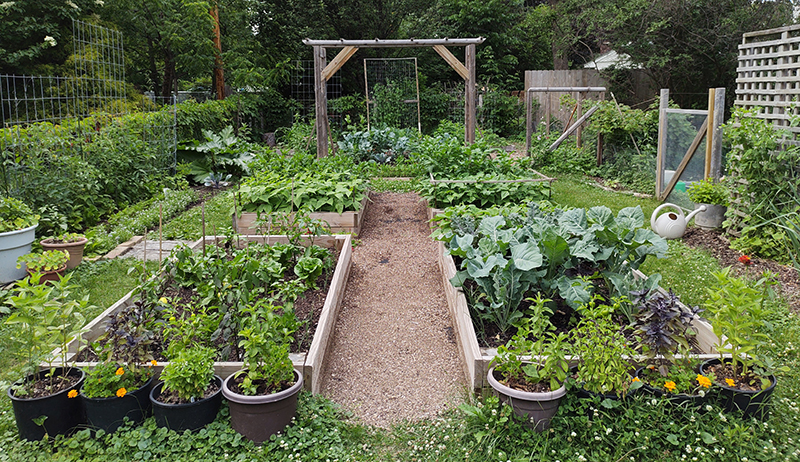
- Fill containers: Loosely fill your chosen pots or trays with moist seed starting mix. Avoid compacting the soil.
- Sow seeds: Plant seeds at the depth recommended on the packet. Some seeds need light to germinate and should be pressed onto the surface rather than covered.
- Label everything: Immediately label each container to avoid confusion later.
- Moisten the surface: Use a spray bottle to gently mist the soil, ensuring even moisture without washing seeds away.
- Cover for humidity: Place a humidity dome or plastic wrap over the trays to retain moisture until seeds sprout.
- Provide warmth: Place trays in a warm spot (65–75°F/18–24°C). A heat mat can help with heat-loving crops.
- Light exposure: Once seedlings emerge, move them to a bright window or under grow lights for 12–16 hours daily.
- Water as needed: Keep the soil consistently moist but not soggy. A soil moisture meter can help you avoid over- or under-watering.
For more tips on creating a productive garden from scratch, check out this step-by-step guide to starting a veggie garden.
Lighting and Temperature for Strong Seedlings
Light is a critical factor in raising robust seedlings. Most homes don’t have enough natural light for healthy growth, so supplemental lighting is often necessary. Place grow lights 2–4 inches above the seedlings and adjust as they grow. Keep lights on for 12–16 hours per day, mimicking natural daylight cycles.
Temperature also plays a role. Most seeds germinate best at 65–75°F (18–24°C), while seedlings prefer slightly cooler conditions once sprouted. Avoid placing trays near cold drafts or heat sources that could dry them out.

Watering, Fertilizing, and Thinning Seedlings
Consistent moisture is essential for seedling health. Water from the bottom by placing trays in a shallow pan of water, or use a gentle spray to avoid disturbing roots. Let the surface dry slightly between waterings to prevent fungal issues.
Once seedlings develop their first set of true leaves, begin feeding with a diluted, balanced liquid fertilizer every 1–2 weeks. Overcrowded seedlings should be thinned by snipping weaker plants at the soil line, allowing the strongest to thrive.
If you’re interested in crops that require less maintenance, explore these low maintenance vegetables to grow for a more relaxed gardening experience.
Transplanting Seedlings Outdoors
When your seedlings have several sets of true leaves and outdoor conditions are favorable, it’s time to move them outside. This process, known as hardening off, involves gradually acclimating plants to outdoor light, wind, and temperature.
- Start by placing seedlings outdoors in a sheltered, shady spot for a few hours each day, gradually increasing exposure over 7–10 days.
- Protect from strong sun, wind, and cold nights during this period.
- Transplant seedlings into prepared garden beds or containers after the danger of frost has passed.
Raised beds make transplanting easier and can help you manage soil quality and drainage. For more seasonal advice, see these summer vegetable gardening tips to keep your garden thriving.
Common Mistakes to Avoid When Growing Seeds Indoors
Even experienced gardeners encounter challenges when starting seeds inside. Here are some frequent pitfalls and how to avoid them:
- Overwatering: Too much moisture can cause damping off, a fungal disease that kills seedlings. Use a soil moisture meter to monitor levels.
- Insufficient light: Leggy, pale seedlings are a sign they need more light. Move them closer to a window or install grow lights.
- Skipping hardening off: Sudden exposure to outdoor conditions can shock and stunt young plants. Always harden off gradually.
- Using garden soil: Outdoor soil may contain pests or diseases. Always use a sterile seed starting mix.
With careful attention to these details, you’ll be well on your way to a successful indoor seed starting experience.
Frequently Asked Questions
How early should I start seeds indoors?
Most seeds should be started 6–8 weeks before your region’s last expected frost date. Check your seed packet for specific timing, as some plants like tomatoes and peppers benefit from an earlier start, while fast-growing crops such as cucumbers and squash need less lead time.
What are the best vegetables to start inside?
Some of the easiest and most rewarding vegetables to start indoors include tomatoes, peppers, eggplants, broccoli, cabbage, and lettuce. For inspiration, see this list of winter vegetables to grow at home or explore how to grow radishes quickly for a speedy harvest.
Do I need grow lights, or will a window suffice?
While a bright, south-facing window may be enough for some seedlings, most will benefit from supplemental lighting. Grow lights ensure even, strong growth and help prevent leggy, weak plants, especially during short winter days.
Conclusion
Mastering how to start seeds indoors opens up a world of gardening possibilities. With the right materials, attention to detail, and a little patience, you’ll enjoy healthy, vigorous plants ready to thrive outdoors. Whether you’re growing vegetables, herbs, or flowers, starting from seed is an accessible and satisfying way to expand your gardening skills and enjoy a bountiful harvest.