Creating your own natural fertilizer is a rewarding way to enrich your garden soil, reduce household waste, and save money. By using everyday kitchen scraps, yard trimmings, and other organic materials, you can provide essential nutrients to your plants without relying on synthetic products. This guide will walk you through practical methods for producing homemade plant food, highlight the benefits of organic approaches, and offer tips for successful application.
Whether you are new to gardening or looking to make your homestead more sustainable, learning how to make fertilizer at home is a valuable skill. Not only does it support healthy plant growth, but it also helps close the loop on food and yard waste. For those interested in expanding their self-sufficiency, you might also find inspiration in the modern homesteading herbal garden ideas featured on our site.
Why Choose Homemade Fertilizer?
Making your own plant food offers several advantages over commercial options. First, it allows you to control exactly what goes into your soil, avoiding unnecessary chemicals and additives. Homemade blends are often richer in micronutrients, which can be lost in mass-produced products. Additionally, using kitchen and yard waste helps reduce landfill contributions and supports a more circular, eco-friendly lifestyle.
Many homesteaders and gardeners find that DIY fertilizers improve soil structure and boost microbial activity, leading to healthier, more resilient plants. For those managing a small plot or urban garden, these natural solutions can be tailored to specific plant needs and soil conditions.
Essential Ingredients for Natural Plant Food
The foundation of most homemade fertilizers is organic matter. Here are some common ingredients you can use:
- Vegetable and fruit scraps: Peels, cores, and trimmings provide nitrogen and trace minerals.
- Coffee grounds: Add nitrogen and improve soil texture.
- Eggshells: Crushed shells supply calcium, which is vital for strong cell walls.
- Grass clippings: Fresh clippings are high in nitrogen; dried ones add carbon.
- Leaves: Shredded leaves contribute carbon and help retain moisture.
- Manure: Well-composted manure from herbivores is an excellent nutrient source.
- Wood ash: Supplies potassium and raises soil pH (use sparingly).
Combining these materials in the right balance is key to creating an effective blend. A mix of “greens” (nitrogen-rich) and “browns” (carbon-rich) supports decomposition and nutrient release.
Simple Methods for Making Fertilizer at Home
There are several straightforward techniques to transform household waste into valuable plant food. Here are three of the most popular approaches:
Composting: The Classic Approach
Composting is a tried-and-true method for producing nutrient-rich soil amendments. To start, layer green materials (like vegetable scraps and grass clippings) with brown materials (such as dried leaves and cardboard) in a bin or pile. Keep the pile moist but not soggy, and turn it regularly to aerate. Over time, microbes break down the materials into dark, crumbly compost that can be mixed into garden beds or used as mulch.
Liquid Fertilizer: Quick Nutrient Boost
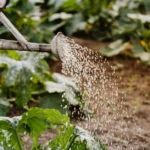
For a faster-acting option, you can create liquid plant food, sometimes called “compost tea.” To make it, fill a bucket with water and add a shovelful of finished compost or a handful of nutrient-rich materials like grass clippings or manure. Let the mixture steep for a few days, stirring occasionally. Strain the liquid and dilute it with water (about 1:10 ratio) before applying to your plants’ roots or as a foliar spray.
Direct Application: Simple and Effective
Some materials can be added directly to your garden soil. For example, crushed eggshells can be sprinkled around tomatoes and peppers to prevent blossom end rot. Coffee grounds can be worked into the soil near acid-loving plants like blueberries and azaleas. Just remember to use these amendments in moderation to avoid nutrient imbalances.
Tips for Successful Homemade Fertilizer
To get the most out of your DIY plant food, keep these best practices in mind:
- Balance green and brown materials in compost for optimal decomposition.
- Chop or shred larger items to speed up breakdown.
- Monitor moisture—compost should feel like a wrung-out sponge.
- Turn compost regularly to provide oxygen for microbes.
- Let compost mature fully before using to avoid burning plants.
- Test your soil occasionally to tailor amendments to your garden’s needs.
For those interested in maximizing their homestead’s productivity, exploring what’s possible on a small plot can be eye-opening. Check out this comprehensive guide to small homestead possibilities for more inspiration.
Applying Your Homemade Fertilizer
Once your natural fertilizer is ready, apply it to your garden beds, containers, or even houseplants. Compost can be mixed into the soil before planting or used as a top dressing during the growing season. Liquid feeds are best applied during active growth, typically every two to four weeks. Always water your plants after applying dry amendments to help nutrients reach the roots.
If you’re interested in other aspects of sustainable living, such as fencing, budgeting, or animal care, you may find the modern homesteading fencing guide and related resources on our site helpful.
Common Mistakes to Avoid When Making Organic Fertilizer
While making your own plant food is straightforward, there are a few pitfalls to watch out for:
- Avoid adding meat, dairy, or oily foods to compost—they attract pests and slow decomposition.
- Don’t use pet waste, as it can contain harmful pathogens.
- Be careful with wood ash; too much can alter soil pH dramatically.
- Let manure compost thoroughly before use to prevent burning plants.
- Don’t overload your soil with one type of amendment; diversity is key for balanced nutrition.
By following these guidelines, you’ll create a safe, effective, and sustainable source of nutrients for your garden.
Frequently Asked Questions
What are the best materials to use for homemade fertilizer?
The most effective ingredients are organic kitchen scraps (like fruit and vegetable peels), coffee grounds, eggshells, grass clippings, shredded leaves, and well-rotted manure. Combining a variety of these materials ensures a balanced supply of nutrients for your plants.
How long does it take to make compost for fertilizer?
Composting time varies depending on the method and materials used. In a well-maintained pile, compost can be ready in as little as two to three months during warm weather. Slower, passive piles may take six months to a year. Regular turning and proper moisture help speed up the process.
Can I use homemade fertilizer for all types of plants?
Most homemade blends are suitable for vegetables, flowers, and shrubs. However, some plants have specific needs—acid-loving species like blueberries may benefit from extra coffee grounds, while root crops prefer well-aged compost. Always observe your plants’ response and adjust your amendments as needed.
Embracing natural fertilizer-making is a practical step toward a more resilient and productive garden. With a little effort and attention, you can transform everyday waste into a valuable resource, supporting both your plants and the environment.