“`html
Succession planting is a gardening technique that maximizes the use of space and time in your garden. By planning and planting crops in a staggered manner, you can ensure a continuous harvest throughout the growing season. This method is particularly useful for those with limited garden space, allowing for efficient use of available land.
Incorporating succession planting into your gardening routine not only saves space but also enhances productivity. It involves planting a new crop immediately after harvesting the previous one, thus keeping the soil productive and reducing the chances of pest infestations. For more insights on optimizing your garden space, you might find the modern homesteading homestead design ideas helpful.
Understanding Succession Planting
Succession planting involves a series of planting strategies aimed at maximizing yield and minimizing waste. This approach includes techniques such as relay planting, where a new crop is sown before the previous one is fully harvested, and staggered planting, which involves planting the same crop at intervals to extend the harvest period.
By using these methods, gardeners can ensure that their plots are always in use, thus saving space and increasing the overall productivity of their gardens. This technique is especially beneficial for small-scale homesteaders looking to make the most of their limited space.
Benefits of Staggered Planting
One of the primary advantages of staggered planting is the ability to enjoy fresh produce over a longer period. This method reduces the need for storage and helps in managing the harvest more effectively. Additionally, it can help in pest management by disrupting the life cycles of pests that thrive on specific crops.
For those interested in sustainable living, integrating succession planting with modern homesteading natural pest control methods can lead to a more resilient and productive garden.
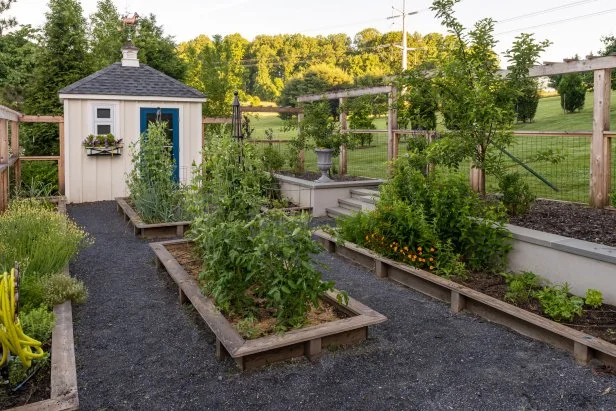
Planning Your Garden for Continuous Harvest
Effective planning is crucial for successful succession planting. Start by selecting crops that have different maturity dates. For example, fast-growing crops like radishes can be followed by slower-growing ones like carrots. This ensures that as one crop is harvested, another is ready to take its place.
Consider using a garden planner or calendar to track planting dates and harvest times. This will help you manage your garden more efficiently and ensure that you are making the most of your available space.

Choosing the Right Crops
When planning for succession planting, it’s important to choose the right crops. Consider the growing season, climate, and soil conditions of your area. Some crops are better suited for early spring planting, while others thrive in the heat of summer or the cool of fall.
For more guidance on selecting the best crops for your garden, you can explore resources like the guide to homesteading on a small property. This can provide valuable insights into making the most of limited space.
FAQs About Succession Planting
What is succession planting?
Succession planting is a gardening technique that involves planting crops in a sequence to maximize space and ensure a continuous harvest throughout the growing season.
How does succession planting save space?
By planting new crops immediately after harvesting the previous ones, succession planting keeps the garden productive and reduces the need for additional space.
What are some examples of crops suitable for succession planting?
Crops like lettuce, radishes, and carrots are ideal for succession planting due to their varying maturity rates and compatibility with different planting schedules.
“`