Rising summer temperatures and intense sunlight can put a lot of stress on your garden, causing wilting, leaf scorch, and even plant loss. Whether you’re tending to vegetables, ornamentals, or container gardens, learning how to protect plants from extreme heat is essential for a healthy, productive landscape. This guide covers practical strategies to shield your greenery from heatwaves, minimize sun damage, and keep your garden thriving through the hottest months.
Understanding the risks and knowing how to act quickly can make the difference between a flourishing garden and one that struggles. From choosing the right time to water to providing shade and improving soil moisture retention, there are several proven techniques to help your plants cope with high temperatures. If you’re looking for more seasonal advice, check out these summer vegetable gardening tips to further boost your garden’s resilience.
Recognizing Signs of Heat Stress in Plants
Before taking action, it’s important to identify when your plants are suffering from excessive heat. Common symptoms include:
- Wilting leaves, even when the soil is moist
- Leaf edges turning brown or crispy
- Yellowing or dropping foliage
- Blossom drop or poor fruit set in vegetables
- Stunted growth or sunburn spots on leaves and fruit
Spotting these early signs allows you to intervene before permanent damage occurs. Monitoring your garden daily during heatwaves is key to preventing problems from escalating.
Providing Shade to Reduce Sun Damage
One of the most effective ways to shield your garden from intense sunlight is by providing temporary or permanent shade. Here are some practical options:
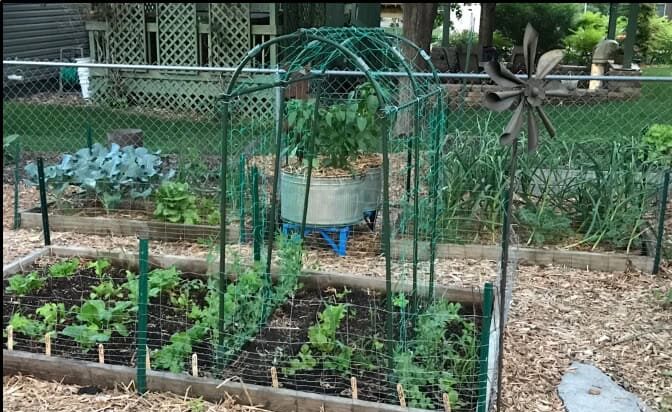
- Shade cloth: Drape lightweight fabric over hoops, stakes, or frames to block 30–50% of sunlight. This is especially useful for tender seedlings and leafy greens.
- Garden umbrellas or patio covers: Moveable options that can be adjusted as the sun shifts.
- Row covers: Lightweight floating row covers can reduce heat and sun exposure while still allowing air and water to reach plants.
- Strategic planting: Use taller crops or trellised vines to cast shade on more sensitive plants below.
For those starting a new garden, consider reading beginner tips for starting a vegetable garden to plan your beds with heat protection in mind.
Watering Strategies for Hot Weather
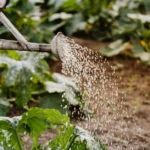
Proper watering is crucial when temperatures soar. Here’s how to keep your plants hydrated and healthy:
- Water early in the morning: This reduces evaporation and gives plants time to absorb moisture before the heat peaks.
- Deep, infrequent watering: Soak the soil thoroughly to encourage deep root growth, rather than shallow, frequent watering.
- Check soil moisture: Use your finger or a soil moisture meter to ensure water is reaching the root zone.
- Avoid wetting leaves: Water at the base of plants to prevent fungal diseases and leaf scorch.
Container plants and raised beds dry out faster than in-ground beds, so monitor them closely and adjust your schedule as needed. For more advice on easy-care crops, see this list of low maintenance vegetables to grow that can better withstand heat stress.
Mulching to Conserve Soil Moisture
Mulch acts as a protective barrier, helping soil retain moisture and keeping roots cooler. Apply a 2–4 inch layer of organic mulch—such as straw, shredded leaves, or wood chips—around the base of your plants. This not only reduces evaporation but also suppresses weeds and improves soil health over time.
Be careful not to pile mulch directly against stems, as this can encourage rot. Refresh mulch as needed throughout the season, especially after heavy rain or wind.
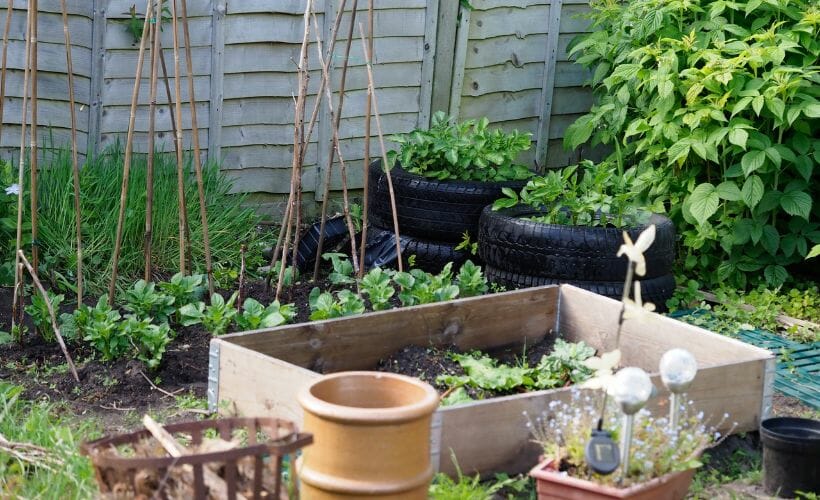
Choosing Heat-Tolerant and Fast-Growing Varieties
Some plants naturally handle high temperatures better than others. When planning your garden, select varieties known for their resilience to heat and drought. Look for crops bred for hot climates or those with a reputation for quick growth, which can help you harvest before the worst of the summer heat arrives. For inspiration, explore these fast growing vegetables for beginners that can thrive even in challenging conditions.
Additionally, stagger your planting dates or use succession planting to ensure you always have something growing, even if a heatwave damages part of your crop.
Additional Tips for Plant Protection During Heatwaves
- Group containers together: This creates a microclimate with higher humidity and less direct sun exposure.
- Move pots to shaded areas: Relocate containers to the east side of buildings or under trees during peak heat.
- Limit fertilizer use: Avoid fertilizing during extreme heat, as this can stress plants further.
- Prune with caution: Remove only dead or damaged growth; heavy pruning can expose more foliage to sunburn.
- Harvest early: Pick ripe fruits and vegetables in the morning to prevent heat-related spoilage.
With a little planning and attention, your garden can survive—and even thrive—during the hottest part of the year. If you’re interested in quick harvests, see these tips on how to grow radishes quickly for a speedy, heat-tolerant crop.
Frequently Asked Questions
What is the best time to water plants during a heatwave?
Watering early in the morning is ideal, as it allows moisture to reach the roots before the sun intensifies. This helps plants absorb water efficiently and reduces evaporation. Avoid watering in the evening if possible, as wet foliage overnight can promote disease.
How can I tell if my plants are getting too much sun?
Look for signs such as wilting, scorched or brown leaf edges, and faded or yellowing leaves. If you notice these symptoms, provide shade and check soil moisture to help your plants recover.
Are there specific vegetables that handle heat better than others?
Yes, crops like okra, sweet potatoes, eggplant, peppers, and some beans are naturally more tolerant of high temperatures. Choosing varieties bred for heat resistance can improve your garden’s success during hot spells.
How often should I mulch my garden to protect against heat?
Apply a fresh layer of mulch at the start of the hot season and replenish as needed, especially after heavy rain or wind. Maintaining a consistent 2–4 inch layer helps conserve moisture and keeps roots cool.
Can I use household items to create shade for my plants?
Absolutely. Old sheets, lightweight blankets, or even cardboard can be used temporarily to shield plants from the sun. Just ensure there’s enough airflow to prevent overheating underneath the cover.