
Raising animals in limited areas is becoming increasingly popular among urban dwellers and suburban homeowners who want to enjoy the benefits of fresh eggs, milk, or meat without needing acres of land. However, successfully keeping livestock in compact environments requires thoughtful planning, a commitment to animal welfare, and a solid understanding of local regulations. This guide provides practical advice on how to manage small-space livestock in a way that is both ethical and efficient, ensuring a healthy environment for your animals and your household.
Before diving into the details, it’s important to recognize that responsible stewardship goes beyond simply providing food and shelter. It involves creating a sustainable system, maintaining cleanliness, and respecting the needs of both animals and neighbors. For those just starting out, reviewing resources like the modern homesteading beginner mistakes can help avoid common pitfalls and set a strong foundation for your journey.
Choosing the Right Animals for Limited Spaces
Not all livestock species are suitable for compact environments. When considering how to manage small-space livestock, start by selecting animals that thrive in smaller enclosures and have manageable care requirements. Chickens, quail, rabbits, and even miniature goats are among the most popular choices for urban and suburban settings.
- Chickens: Provide fresh eggs, are relatively quiet, and can be kept in small coops with outdoor runs.
- Quail: Require even less space than chickens and mature quickly, making them ideal for beginners.
- Rabbits: Can be raised for meat or fiber and are easy to house in hutches or colony setups.
- Miniature goats: Suitable for small backyards, offering milk and companionship, but require sturdy fencing.
Before bringing any animals home, check your local ordinances and homeowners’ association rules. Some areas restrict the number or type of livestock you can keep, so compliance is essential to avoid fines or forced removal.
Designing Efficient Housing and Enclosures
Creating a safe, comfortable, and efficient living space is a cornerstone of responsible animal husbandry. Well-designed shelters protect your livestock from predators and harsh weather while maximizing the use of available space.
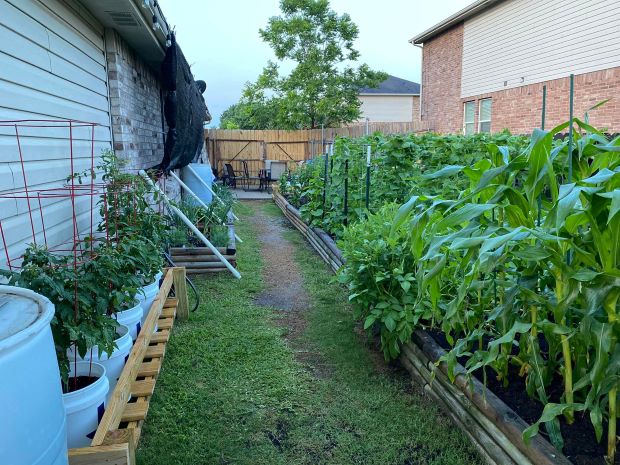
Consider these tips when setting up enclosures:
- Use vertical space with stacked hutches or multi-level coops to increase capacity without expanding your footprint.
- Install predator-proof latches and wire mesh to keep animals safe.
- Provide adequate ventilation and natural light to promote animal health.
- Design easy-access doors and removable trays for quick cleaning and maintenance.
If you’re interested in more advanced setups, the modern homesteading fencing guide offers practical solutions for securing small livestock in tight quarters.
Feeding and Nutrition in Compact Environments
Proper nutrition is vital for animal health, especially when space is at a premium. Limited foraging means you’ll need to provide a balanced diet tailored to each species. Commercial feeds are convenient, but supplementing with kitchen scraps, garden greens, and homegrown fodder can improve nutrition and reduce waste.
- Use hanging feeders and waterers to save floor space and keep supplies clean.
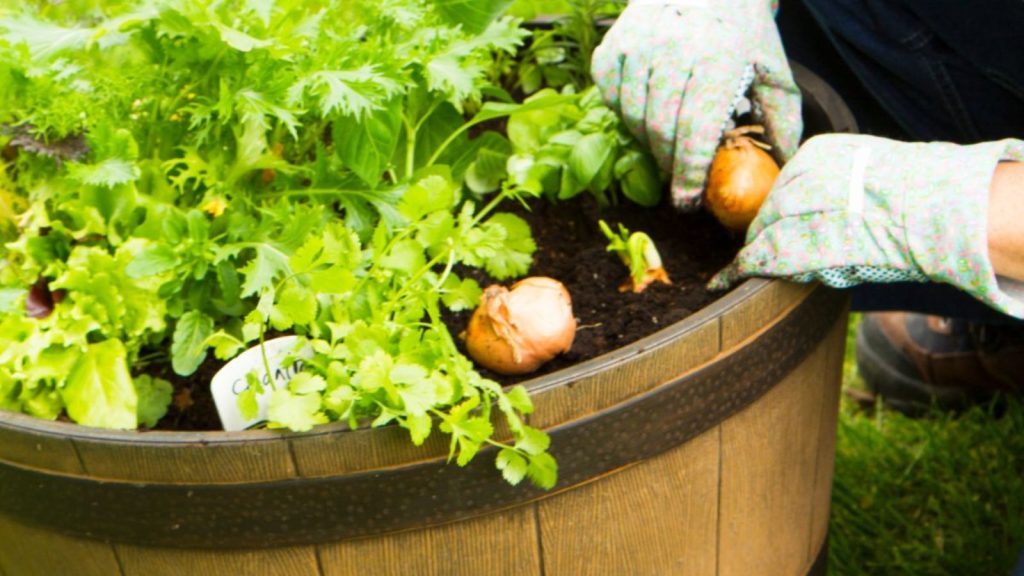
- Grow greens in containers or vertical planters to supplement animal diets.
- Monitor feed intake closely to prevent obesity or malnutrition, which can be more common in confined environments.
For those interested in integrating edible plants with animal care, exploring modern homesteading herbal garden ideas can provide inspiration for maximizing productivity in small yards.
Maintaining Cleanliness and Managing Waste
Cleanliness is critical when keeping animals in tight quarters. Accumulated waste can quickly lead to odor, pests, and disease if not managed properly. Establish a routine for cleaning enclosures, replacing bedding, and removing manure.
- Use absorbent bedding such as straw, wood shavings, or shredded paper to control moisture and odor.
- Compost manure and bedding to create valuable fertilizer for your garden, closing the loop on your homestead.
- Schedule deep cleans at least once a week, with spot cleaning daily.
Proper waste management not only benefits your animals but also keeps your neighbors happy and your property pleasant. For more tips on running a sustainable homestead, check out the three principles for beginner homesteaders.
Ensuring Animal Health and Well-Being
Monitoring your animals for signs of stress, illness, or injury is essential, especially in confined spaces where issues can escalate quickly. Provide enrichment, such as perches, tunnels, or toys, to encourage natural behaviors and prevent boredom.
- Observe animals daily for changes in appetite, behavior, or appearance.
- Schedule regular health checks and vaccinations as recommended by a veterinarian.
- Rotate animals through different areas if possible to reduce parasite buildup and give enclosures time to recover.
If you plan to expand your backyard operation, reviewing the modern homesteading backyard dairy basics can help you prepare for more advanced animal care.
Respecting Neighbors and Community Guidelines
Urban and suburban livestock keepers must be especially mindful of their neighbors. Noise, odor, and escapees can lead to complaints or stricter regulations. Open communication and proactive management go a long way in maintaining good relationships.
- Inform neighbors before bringing animals home and address any concerns they may have.
- Keep enclosures clean and well-maintained to minimize odor and pests.
- Follow all local rules regarding animal numbers, setbacks, and waste disposal.
Responsible animal keeping not only benefits your household but also helps build a positive reputation for urban and small-scale livestock keepers in your community.
Frequently Asked Questions
What are the best animals for small backyards?
Chickens, quail, and rabbits are excellent choices for small spaces due to their modest housing needs and manageable care. Miniature goats can also be suitable if you have a secure, fenced area and enough room for exercise.
How can I keep my small livestock healthy in limited space?
Focus on providing a clean environment, balanced nutrition, and regular enrichment. Monitor your animals daily for signs of illness and consult a veterinarian for preventive care and vaccinations.
How do I handle waste and odor in a compact livestock setup?
Use absorbent bedding, clean enclosures frequently, and compost manure to manage waste effectively. Proper ventilation and routine maintenance are key to minimizing odor and keeping your animals healthy.
Managing animals in a compact environment is rewarding when approached with careful planning and a commitment to best practices. By selecting the right species, designing efficient enclosures, and maintaining high standards of cleanliness and care, you can enjoy the benefits of homegrown food and companionship, even in the smallest of spaces.