Growing fresh produce during the colder months is not only possible, but also highly rewarding—even if you’re limited on space. With the right strategies and a bit of planning, anyone can enjoy a steady supply of winter vegetables from balconies, patios, or compact backyards. This guide covers practical steps to maximize yields, select the best crops, and create a thriving cold-season garden, no matter how little room you have.
Whether you’re a seasoned gardener or just starting out, learning how to grow winter vegetables in tight quarters can help you make the most of every inch. By using containers, vertical setups, and cold-hardy varieties, you can harvest greens, roots, and more—even when temperatures drop. For those interested in broader homesteading skills, check out the modern homesteading fencing guide for tips on protecting your space and crops.
Choosing the Right Winter Crops for Limited Areas
When space is at a premium, crop selection becomes even more important. Focus on compact, cold-tolerant vegetables that thrive in containers or raised beds. Some of the best options include:
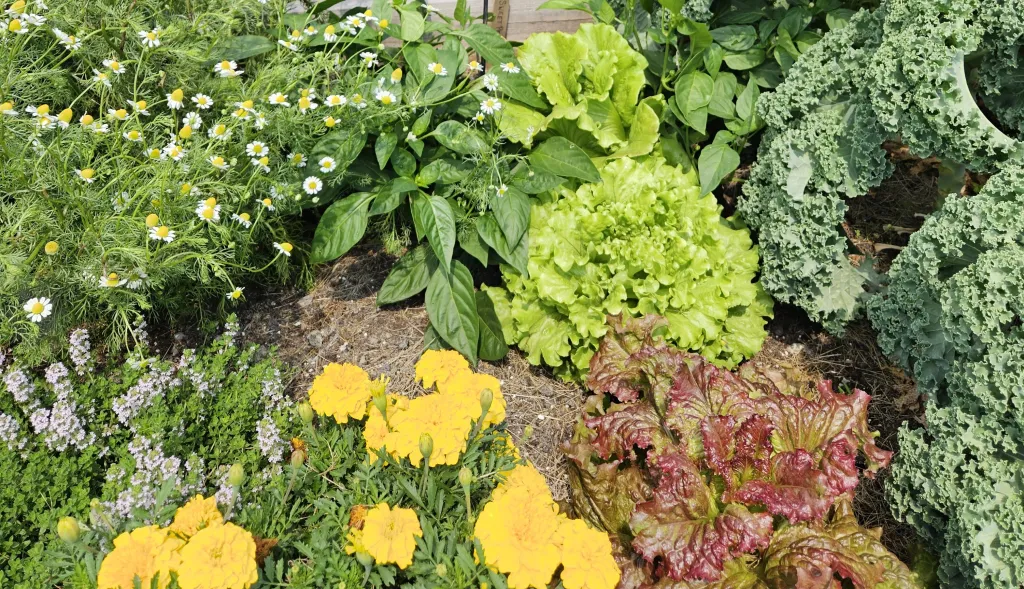
- Leafy greens: Spinach, kale, Swiss chard, and arugula are quick to mature and can be harvested multiple times.
- Root vegetables: Radishes, carrots, and beets grow well in deep pots or grow bags.
- Brassicas: Mini cabbages, broccoli raab, and Asian greens like pak choi are ideal for tight spaces.
- Herbs: Parsley, cilantro, and chives tolerate cooler weather and fit easily on windowsills or shelves.
Choose varieties labeled as “dwarf,” “mini,” or “baby” for best results in small containers. These types are bred for compact growth and can produce a surprising amount of food in a small footprint.
Container Gardening: Maximizing Every Inch
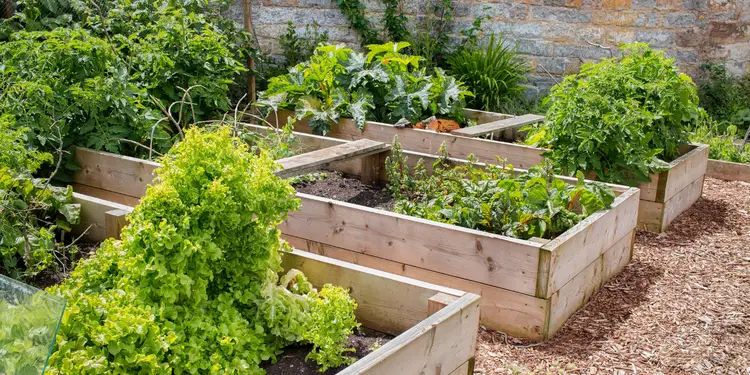
One of the most effective ways to cultivate winter vegetables in small spaces is by using containers. Pots, fabric grow bags, and raised beds allow you to control soil quality and move plants to the sunniest spots. Here are some container gardening tips:
- Use containers at least 8–12 inches deep for root crops and leafy greens.
- Ensure pots have drainage holes to prevent waterlogging during wet winter weather.
- Opt for light-colored containers to reflect sunlight and help maintain soil warmth.
- Group pots together to create a microclimate and shield plants from harsh winds.
Vertical Gardening and Space-Saving Techniques
For those with extremely limited ground area, vertical gardening is a game changer. By growing upwards, you can fit more crops into less space and improve air circulation, which helps prevent disease in damp winter conditions. Consider these ideas:
- Install wall-mounted planters or shelves for herbs and salad greens.
- Use trellises or netting for climbing varieties like peas or vining spinach.
- Stack pots or use tiered plant stands to maximize sunlight exposure.
- Hang baskets from sturdy railings or hooks for trailing crops.
These methods not only increase your growing area but also make harvesting and maintenance easier, especially when the weather turns chilly.
Soil, Light, and Water: Essentials for Winter Success
Small-space winter gardening requires careful attention to the basics. Start with high-quality, well-draining potting mix enriched with compost. This helps retain nutrients and supports healthy root growth, even in cold conditions.
Sunlight is often limited during winter, so position your containers in the brightest spot available—ideally south-facing. If natural light is scarce, supplement with LED grow lights to ensure your crops receive at least 6 hours of light per day. Consistent watering is also vital, but avoid overwatering, as soggy soil can lead to root rot.
Protecting Your Winter Crops from the Elements
Even cold-hardy plants benefit from a little extra protection when temperatures dip or frost threatens. Here’s how to shield your crops:
- Cover containers with frost cloth or row covers during cold snaps.
- Move portable pots indoors or into a sheltered porch on freezing nights.
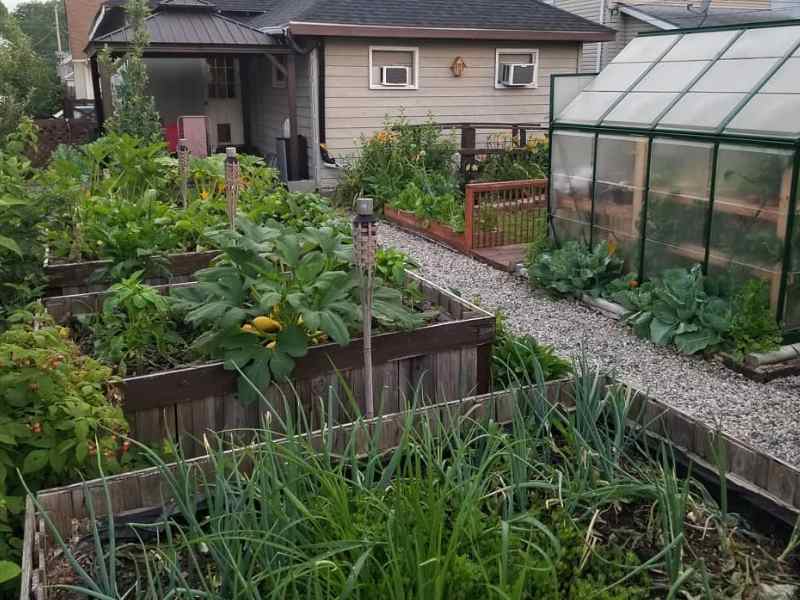
- Use mini greenhouses or cold frames to trap warmth and extend the growing season.
- Mulch the soil surface with straw or leaves to insulate roots.
These simple steps can make the difference between a thriving winter harvest and a disappointing loss.
Harvesting and Succession Planting for Continuous Yield
One of the keys to getting the most from a small winter garden is succession planting. By sowing new seeds every few weeks, you can enjoy a steady supply of greens and roots throughout the season. Harvest outer leaves or mature vegetables regularly to encourage new growth.
For more inspiration on making the most of your homestead, explore modern homesteading herbal garden ideas for year-round productivity.
Community Resources and Further Learning
If you’re looking to expand your skills or connect with others, consider joining a local community garden or online homesteading group. These resources offer support, seed swaps, and practical advice for cold-season growing. For a broader perspective on self-sufficiency, read about the homesteading lifestyle and its benefits.
Remember, even the smallest space can yield a surprising amount of food with the right approach. Experiment with different crops and techniques to find what works best for your environment.
Frequently Asked Questions
What are the easiest winter vegetables to grow in containers?
Some of the simplest crops for container gardening in winter include spinach, kale, radishes, and Swiss chard. These plants are resilient, mature quickly, and don’t require large pots.
How can I keep my winter vegetables warm in freezing weather?
Use frost cloths, row covers, or move containers to sheltered spots during cold nights. Adding mulch to the soil and grouping pots together can also help retain warmth.
Do I need grow lights for winter gardening indoors?
If your space doesn’t receive at least 6 hours of direct sunlight per day, supplementing with LED grow lights is recommended. This ensures healthy growth and steady harvests, especially for leafy greens.